


Vanilla Knowledge
What Is Crystal Vanilla? The Rarest Vanilla Most Bakers Have Never Heard Of
Jun
What Is Crystal Vanilla? The Rarest Vanilla Most Bakers Have Never Heard Of
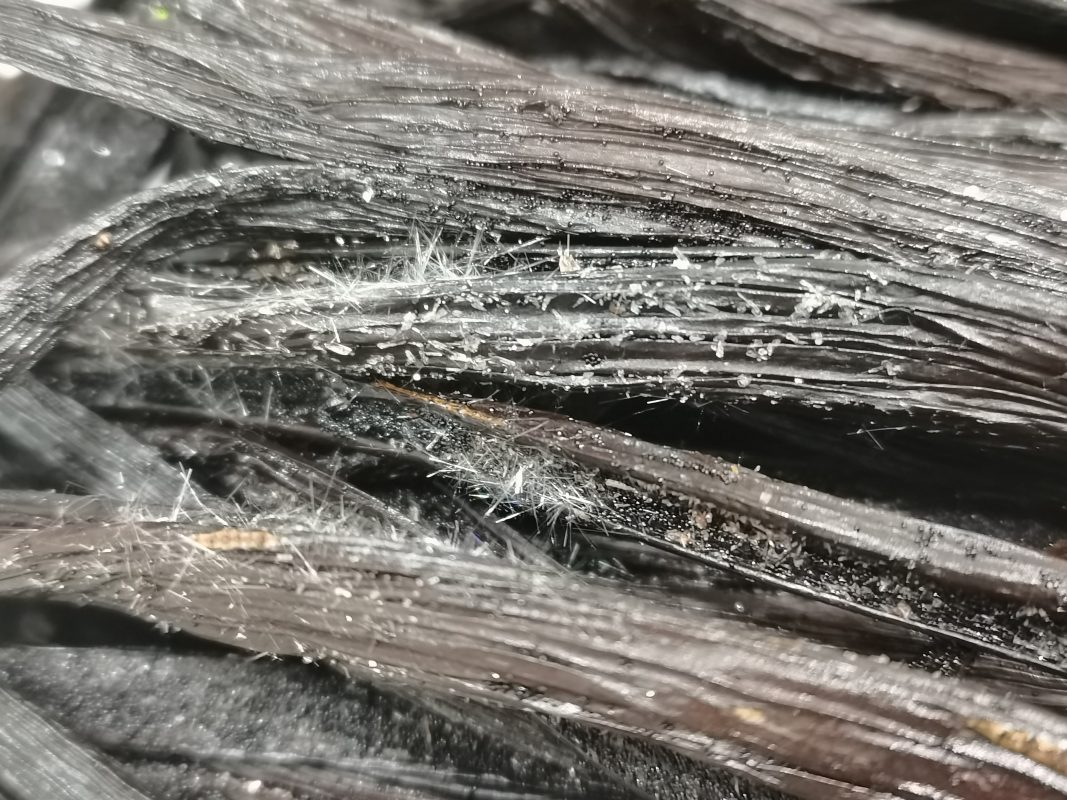
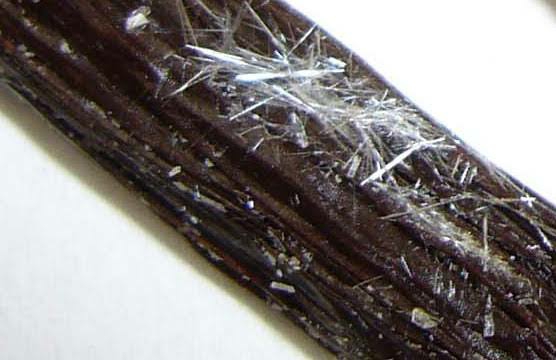
White crystals on the bean surface aren’t imperfections — they’re pure vanillin at 3.5–4% concentration, the highest flavour density found in any vanilla bean.
Pick up a crystal vanilla bean and you will notice something unusual immediately. The surface is dusted with tiny white crystals — almost like powdered sugar pressed into the dark, supple skin. Most buyers who encounter them for the first time assume something has gone wrong. In reality, those crystals measure 3.5–4% vanillin by weight, making crystal vanilla beans the most flavour-dense vanilla product available to home bakers and professional pastry chefs alike.
The crystals are not an additive. They form naturally during an extended slow-cure process lasting 6 or more months, under conditions most curing sheds never achieve. Understanding what they are — and why they are so rare — changes how you think about vanilla entirely.
What Are the Crystals on a Vanilla Bean?
The white crystals on crystal vanilla beans are vanillin — the primary flavour compound in vanilla — in its crystalline solid form. As a cured bean slowly loses moisture over many months, vanillin concentrations rise inside the bean tissue. When concentration exceeds the saturation point, vanillin migrates to the surface and crystallises. Research confirms that vanillin (4-hydroxy-3-methoxybenzaldehyde) undergoes this phase transition under controlled low-humidity drying conditions (Bythrow, 2005, Journal of Food Chemistry).
These crystals are sometimes called givre — a French term meaning frost — by Tahitian vanilla traders who observe the same phenomenon in well-aged beans. At Vanillature, we identify them through our 5-stage quality sorting process. Beans displaying visible crystal formation consistently test at 3.5–4% vanillin, compared to 2.0–2.5% in our standard Grade A beans and an industry average of just 1.5–2.0%.

Surface crystals form only after 6+ months of slow curing at humidity below 50% — a condition rarely sustained in commercial vanilla production.
Why Crystal Formation Is So Rare
Producing crystal vanilla beans demands two conditions that commercial vanilla operations rarely sustain simultaneously: an exceptionally long cure and persistently low ambient humidity. Standard industry curing runs 3–6 months. Crystal vanilla requires at least 6 months of slow, controlled drying — double the lower end of normal practice.
Humidity is the critical variable. Vanillin crystallises only when relative humidity stays consistently below 50%. Above that threshold, the moisture in the air prevents vanillin from reaching the surface saturation point needed to precipitate as crystals. Our Deli Serdang curing sheds in North Sumatra maintain these conditions naturally during the dry months, with careful airflow management across the remaining weeks.
“I watch the beans every day during the long cure. Most batches stop developing after four months — the skin looks finished and the smell is deep and rich. But the crystal beans need more time and drier air. When I see the first white dust on the surface, usually around month seven, I know we have something different. You cannot rush that. If the air is too wet even for one week, the crystals dissolve back into the skin and they are gone.”
— Bu Sari, vanilla farmer, Deli Serdang, North Sumatra, 11 years cultivating Planifolia and Crystal Vanilla
Indonesia produces approximately 2,300 tonnes of vanilla annually, making it the world’s second-largest producer after Madagascar (FAO, 2023). Of that output, crystal-grade beans represent a tiny fraction — the majority of commercial production is dried to moisture levels of 15–25% (Grade B) or 30–35% (Grade A) without reaching the extended low-humidity phase crystal formation requires.
How Crystal Vanilla Beans Taste Different
The flavour difference between crystal vanilla beans and standard Grade A is measurable, not just perceptible. At 3.5–4% vanillin versus 2.0–2.5% in Grade A, crystal beans carry 40–75% more of vanilla’s principal flavour compound per gram of bean. That gap shows up directly in every application.
Vanillin delivers the warm, creamy, caramelised core of vanilla flavour. At higher concentrations, secondary aromatic compounds — including heliotropin and p-hydroxybenzaldehyde — become more perceptible because the overall aromatic density of the bean is greater. The result is a flavour that reads as rounder, deeper, and longer-lasting on the palate.
A single crystal vanilla bean scraped into 500ml of cream delivers visibly more flecks and measurably stronger flavour than a standard Grade A bean of equivalent length.
Because the vanillin concentration is so high, many pastry chefs reduce their bean usage by 1 bean per recipe when substituting crystal vanilla for standard beans. One crystal bean performs the work of 1.5–2 standard Grade A beans in most custard and cream applications.
How to Use Crystal Vanilla Beans Correctly
The correct technique for crystal vanilla beans is the same as for any premium whole bean — but with one additional step. Do not wipe or brush the crystal surface before use. The crystals are the highest-concentration vanillin on the bean. Removing them discards the most potent flavour available.
Split the bean lengthwise with a sharp knife and scrape both the crystals and the caviar (interior seed mass) directly into your cream, custard, or batter. The crystals dissolve instantly in warm liquid above approximately 40°C, releasing vanillin into the preparation without any textural trace. In cold applications — such as no-churn ice cream bases or cold-brew vanilla milk — crush the crystals lightly against the bean skin with the back of the knife before scraping to aid dissolution.
Crystal vanilla beans also perform exceptionally in dry applications. Ground dried crystal bean powder — pod and all — retains its vanillin crystal content through the grinding process and produces a powder 2–3 times more aromatic than standard vanilla powder by weight. Use it at half the volume your recipe specifies.
Why Crystal Vanilla Is Difficult to Source Consistently
At Vanillature, we work with 500+ smallholder farmers across North Sumatra and Papua. Of all the vanilla we process each season, crystal-grade beans represent the smallest allocation. The 6-month minimum cure requirement means crystal batches tie up curing space for twice as long as standard Grade A production. Most farms cannot absorb that time cost without reducing their overall throughput.
Our North Sumatra farms sit at 680 metres above sea level — an elevation that delivers the cooler overnight temperatures and controlled airflow needed to sustain the sub-50% humidity conditions crystal formation demands. At lower elevations, ambient humidity remains too high during curing for crystallisation to occur consistently. Elevation, microclimate, and extended cure time together create a set of requirements that limit crystal vanilla production to specific farms in specific seasons.
Every batch of crystal vanilla we release passes our full 5-stage quality sorting process, with vanillin testing confirming the 3.5–4% threshold before packaging. When crystal vanilla beans are available in our store, stock is limited. Production cannot be accelerated — the curing calendar is fixed by biology and climate, not by demand.
Explore our current Crystal Vanilla Bean listing for availability and batch notes, or browse the full vanilla beans collection for Grade A and Grade B options in stock now.
Crystal Vanilla — Frequently Asked Questions
The white crystals on crystal vanilla beans are pure vanillin — a naturally occurring flavour compound — and are completely safe to consume. They test at 3.5–4% vanillin concentration, the highest level found in any vanilla bean format. Mould on vanilla beans appears as fuzzy, irregular growth with a musty odour and is distinctly different from the fine, even crystalline dusting of vanillin frost. Crystal formation is a sign of exceptional quality, not spoilage. (Bythrow, 2005, Journal of Food Chemistry)
Crystal vanilla beans require a minimum of 6 months of slow curing after harvest — double the lower end of standard industry curing practice. Including 9 months of vine maturation after hand-pollination, total production time from flower to finished crystal bean exceeds 15 months. The extended cure must be conducted at humidity consistently below 50% to allow vanillin to migrate to the bean surface and crystallise. This combination of duration and humidity control is what makes crystal vanilla so rare in commercial supply.
Crystal vanilla beans test at 3.5–4% vanillin by weight — the highest concentration in any vanilla bean format. Standard Grade A vanilla beans contain 2.0–2.5% vanillin, and the global industry average sits at 1.5–2.0%. Crystal vanilla therefore delivers up to 2.5 times the vanillin concentration of an average commercial vanilla bean. The difference is directly attributable to the extended low-humidity curing process, during which vanillin accumulates on the bean surface as visible crystals rather than remaining diffused through the bean tissue.
No — the crystals represent the highest vanillin concentration on the entire bean at 3.5–4%, and removing them discards the most potent flavour available. Split the bean lengthwise and scrape both the surface crystals and the interior caviar directly into your preparation. The crystals dissolve fully in warm liquid above approximately 40°C with no textural residue. In cold applications, lightly crush the crystals against the bean skin before scraping to accelerate dissolution. Preserving the crystals is the primary reason to seek out crystal vanilla beans over standard Grade A.
Shop Crystal Vanilla Beans — When Available
Crystal vanilla beans release in limited batches from our North Sumatra farms. Each batch is tested and sorted through our 5-stage quality process before listing. Join our mailing list or check the product page directly to be notified when the next allocation is live.
Vanillature holds a 5.0 star rating from 174+ verified buyers on eBay, with additional verified ratings on Shop
