


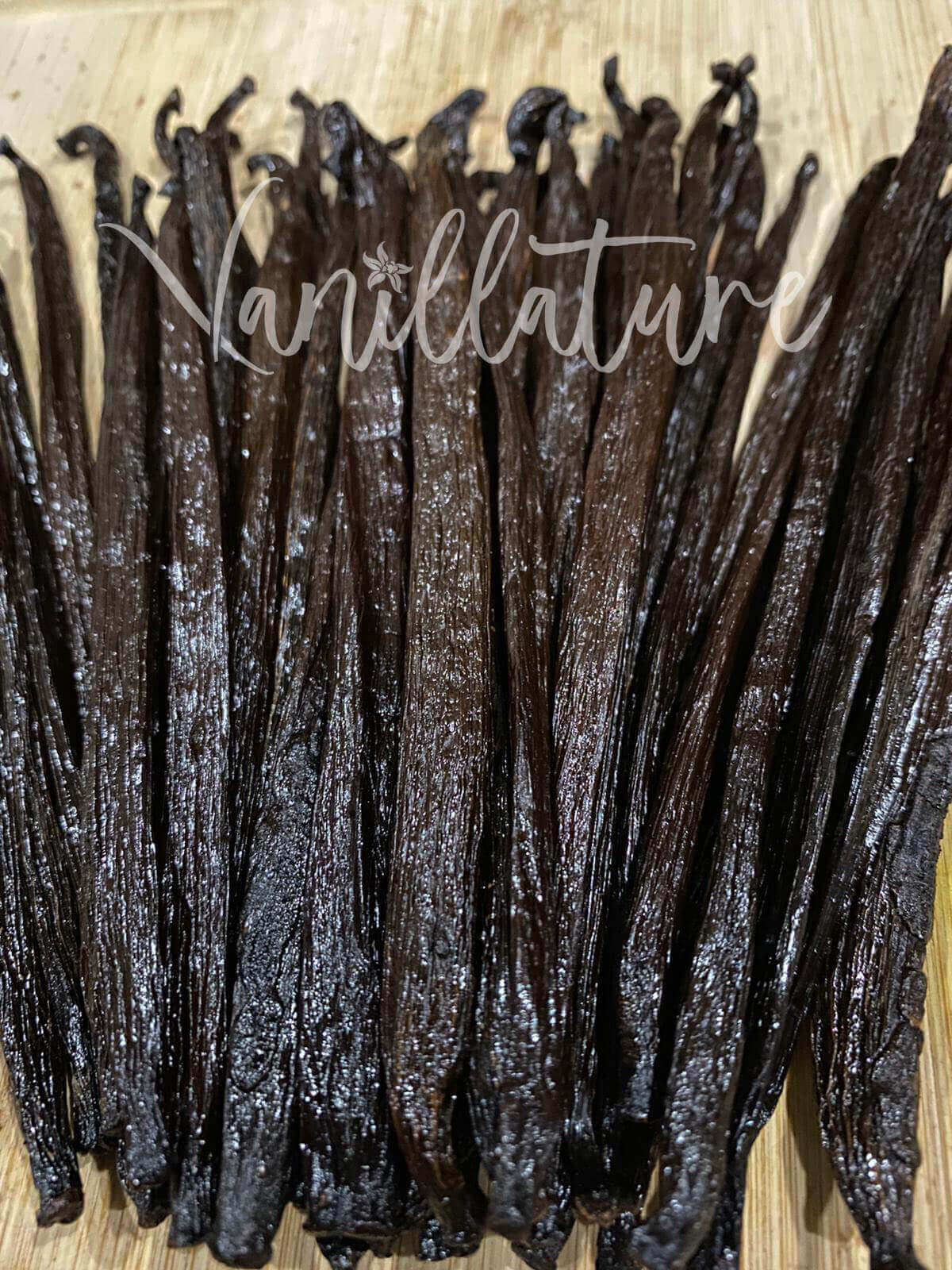



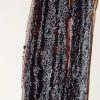
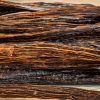
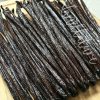
Papua Tahitian vanilla (Vanilla tahitensis) is a different species from the Bourbon Planifolia most people know. Its primary flavour compounds are heliotropin (piperonal) and other fragrant aromatics — producing a profile that is floral, fruity, anise-forward, and gently perfumed rather than the warm, woody sweetness of Planifolia. Vanillature sources Papua Tahitian Grade A directly from farmers on Papua Island, Indonesia — one of the only regions outside of Tahiti where this species grows with consistent commercial quality.
Origin: Papua Island, Indonesia
Papua’s highland rainforest provides growing conditions fundamentally different from Sumatra’s volcanic lowlands: higher altitude canopy, distinct soil mineral composition, and different seasonal patterns. These conditions shape Vanilla tahitensis into a bean with shorter length — 5.5–6.5 inches (14–16.5 cm) — but extraordinary aromatic complexity. Vanillature’s Papua farmers have cultivated Tahitian vanilla for generations, with hand-pollination techniques adapted to the species’ more delicate flowering cycle.
“Tahitian flowers are softer,” says Bu Marlina, a Tahitian vanilla farmer in Papua with 8 years of cultivation experience. “The pollination needs a lighter touch. But the aroma you get — nothing else smells like this.”
Flavour profile — why it is different
Vanilla tahitensis delivers: floral · fruity · cherry · anise · berry · perfumed. The aroma is exotic and complex — less classic, more remarkable. This is the vanilla that fine dining pastry chefs reach for when they want vanilla to play a leading role. It does not stand up to high-heat baking the way Planifolia does — but in cold, cream-based, or lightly cooked applications, it produces results that Planifolia cannot replicate.
Best uses — where Tahitian excels
Crème brûlée · Panna cotta · Gelato · Ice cream · Crème anglaise · Fruit tarts · Tropical desserts · Beverages · Cocktails. Avoid for high-heat baked goods (sponge, muffin, bread) above 180°C — use Planifolia instead for those applications.
Planifolia vs Tahitensis — quick reference
| Feature | Sumatra Planifolia Grade A | Papua Tahitian Grade A |
|---|---|---|
| Species | Vanilla planifolia | Vanilla tahitensis |
| Primary compound | Vanillin (above 2.0%) | Heliotropin + piperonal |
| Flavour | Woody, creamy, caramel, mocha | Floral, fruity, anise, cherry |
| Best for | Baking, extract, all-purpose | Cream desserts, beverages, gelato |
| Heat tolerance | High — survives baking | Medium — best below 180°C |
| Bean length | 6–9 inches | 5.5–6.5 inches |
Certifications
FDA registered (USA) · REX EU certified (European Union) · Certificate of Origin · Phytosanitary certificate. FDA registration included from 1 kg. REX EU available to all EU customers. For wholesale supply: visit our wholesale page or email winny@vanillature.com.
Specification
| Species | Vanilla tahitensis |
| Origin | Papua Island, Indonesia |
| Grade | A (Gourmet) |
| Length | 5.5–6.5 inches (14–16.5 cm) |
| Primary aroma compound | Heliotropin (piperonal) |
| Flavour profile | Floral, fruity, anise, cherry, berry |
| Curing | Traditional sun curing, 3–6 months |
| Farming | Hand-pollinated, pesticide-free |
| Best heat range | Up to 180°C |
| Size | 1 Bean, 3 Beans, 1oz, 1/4lb, 1/2lb, 1 lb, 1 kg |
|---|
Be the first to review “Tahiti Grade A Vanilla Beans”
Related products


Reviews
There are no reviews yet.