


Vanilla Knowledge
Homemade Vanilla Simple Syrup for Coffee, Cocktails, and Baking

Jul
Homemade Vanilla Simple Syrup for Coffee, Cocktails, and Baking
One split vanilla bean steeped in 500ml of sugar syrup for 10 minutes produces a bottle that lasts 2 weeks in the refrigerator — and tastes nothing like the artificial version at your local café. This is the vanilla simple syrup recipe you will make once and never stop using.
Active simmer time — total syrup ready in under 30 minutes
Refrigerated shelf life in a sealed glass bottle
Less expensive than Grade A — Grade B beans are ideal for syrups
Why Real Beans Change Everything in a Vanilla Simple Syrup Recipe
Most commercial vanilla syrups use synthetic vanillin — a single compound derived from wood pulp or petrochemicals. A real Planifolia bean contains over 250 flavour compounds alongside vanillin, including heliotropin and eugenol, which give Sumatran vanilla its characteristic warmth and depth.
At Vanillature, we test every batch of Sumatra Planifolia for vanillin content. Our beans consistently test above 2.5% vanillin — the industry average sits between 1.5% and 2.0% (Dunphy et al., 2020). That 25–67% vanillin premium translates directly into a syrup with richer, more layered flavour than anything from a supermarket shelf.
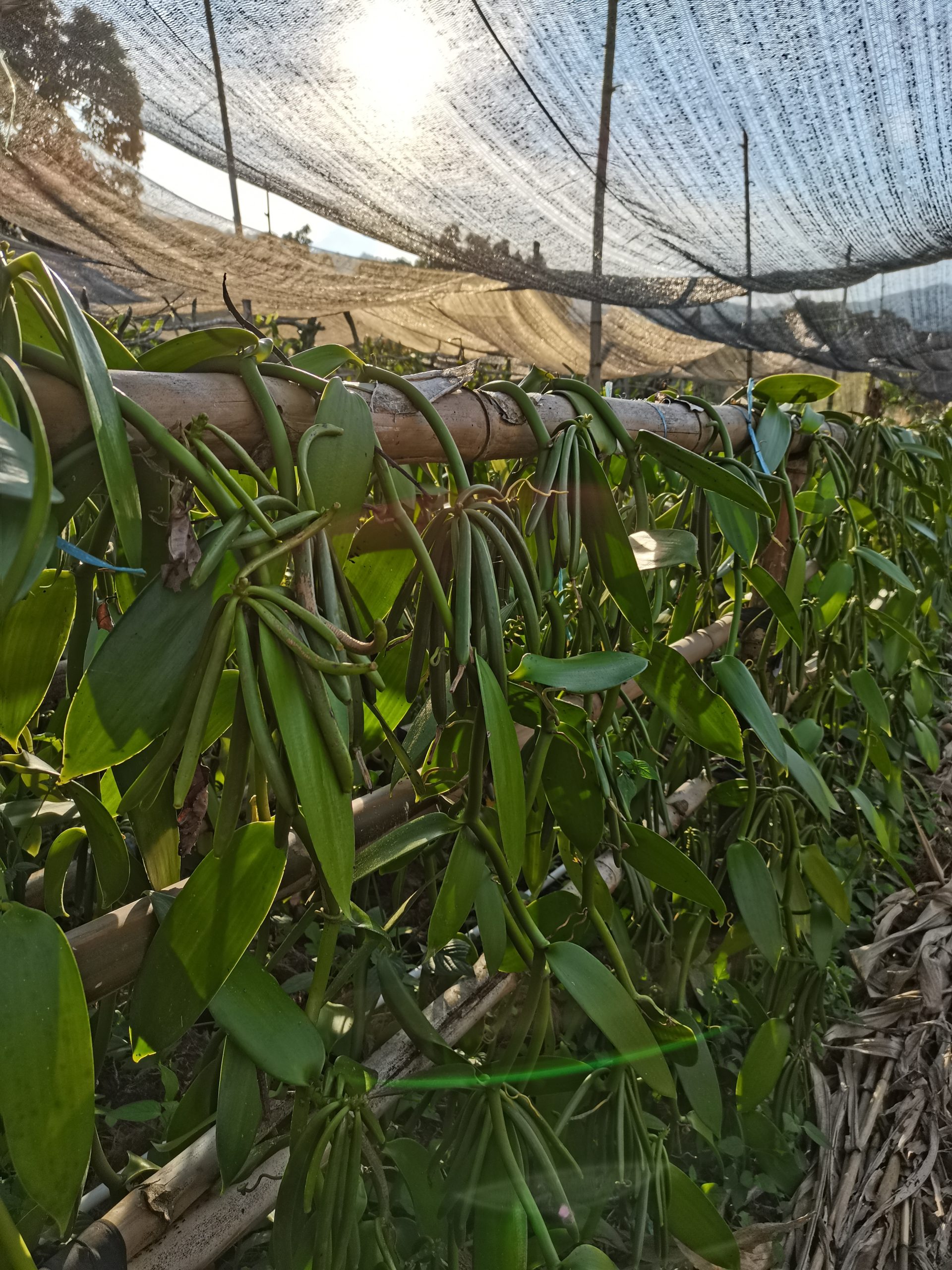
Indonesia produces approximately 2,300 tonnes of vanilla annually, making it the world’s second-largest producer after Madagascar (FAO, 2023). Our 500+ smallholder farming partners in North Sumatra cultivate beans at 680 metres above sea level — an elevation that drives slower maturation and denser flavour concentration in each pod.
Grade B Beans: The Smart Choice for This Recipe
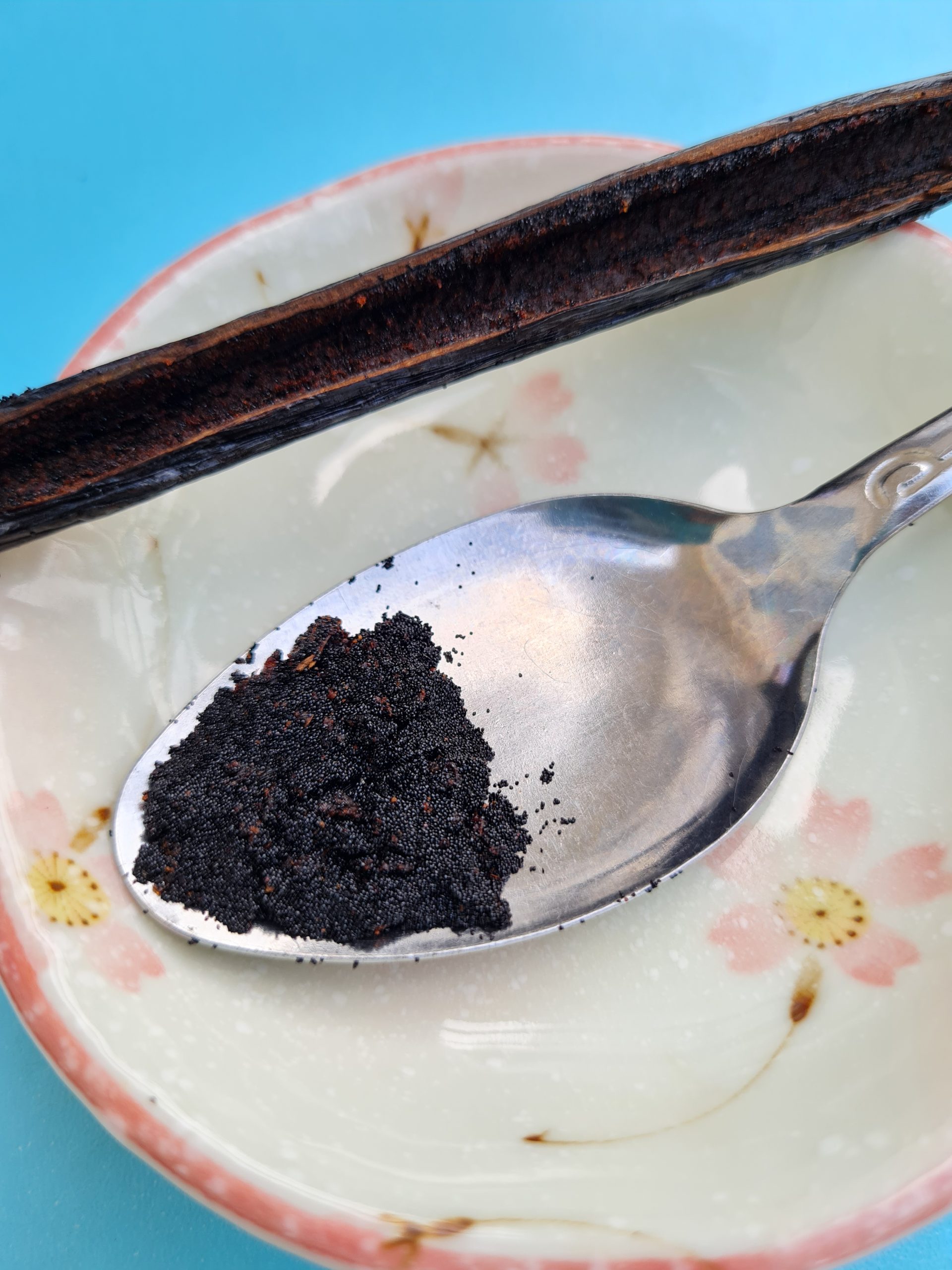
Grade B beans contain 15–25% moisture and vanillin above 1.0%. They are drier and sometimes split or shorter than Grade A — and they are 40–60% cheaper. None of that matters for a vanilla simple syrup recipe, because the bean spends its entire time submerged in hot liquid.
In a syrup application, vanillin and aromatic compounds extract directly into the water-sugar solution. Visual imperfections that affect Grade A pricing become completely irrelevant. Grade B beans deliver the same enzymatic aromatic compounds in a syrup as Grade A at a fraction of the cost.
Use 1 bean per 500ml of finished syrup. That ratio delivers consistent flavour without overwhelming sweetness. If you prefer a more intense vanilla profile — for cocktail syrups or baking glazes — you can steep the same bean for an additional 20 minutes off the heat.
“The beans that are too short or a little split — we call them Grade B — they still carry full flavour inside. When I make syrup at home, I always use Grade B. The sugar pulls everything out of the pod. Nothing is wasted.”
— Pak Budi, vanilla farmer, North Sumatra, 14 years cultivating Planifolia
The Vanilla Simple Syrup Recipe — Step by Step
This recipe produces 500ml of vanilla simple syrup. The entire process takes under 30 minutes, including cooling time. You need 3 ingredients and one small saucepan.
Vanilla Simple Syrup — Base Recipe
- 1 cup (200g) white caster sugar
- 1 cup (250ml) filtered water
- 1 Grade B vanilla bean, split lengthwise and seeds scraped
- Combine sugar and water in a small saucepan over medium heat.
- Stir until the sugar fully dissolves — approximately 3 minutes.
- Add the split bean and scraped seeds to the pan.
- Reduce heat to low and simmer for exactly 10 minutes.
- Remove from heat. Allow to cool completely in the pan — 15 minutes.
- Strain through a fine mesh sieve into a sterilised glass bottle.
- Leave the spent bean in the bottle for continued infusion and presentation.
- Seal and refrigerate. Use within 2 weeks.
Note: The 1:1 sugar-to-water ratio produces a standard-sweetness syrup. For a richer syrup (ideal for cocktails), use 2 cups sugar to 1 cup water with the same single bean. Shelf life remains 2 weeks refrigerated.
6 Ways to Use Your Vanilla Simple Syrup
Coffee is the obvious starting point. Add 15ml (1 tablespoon) to a double espresso or cold brew for a vanilla latte without the artificial aftertaste. The syrup integrates cleanly into both hot and iced drinks in under 10 seconds — no waiting for sugar to dissolve.
For cocktails, this syrup replaces plain simple syrup in any recipe calling for sweetness. A vanilla old fashioned — 2 parts bourbon, 1 dash bitters, 15ml vanilla syrup — uses the warmth of Sumatran heliotropin to echo the oak notes in whiskey. Rum sours, espresso martinis, and milk punches all benefit from the same substitution.
In baking, use it as a cake soak: brush 30ml over each sponge layer before assembling. The sugar solution keeps the crumb moist for 3–4 days longer than an unsyruped cake. Fruit desserts respond well too — drizzle 20ml over sliced strawberries or stone fruit and let them macerate for 30 minutes. The vanilla draws out natural juices while adding depth.
For a quick glaze on pastries, reduce 100ml of the syrup in a pan for 4 minutes until it thickens to a pourable consistency. Brush immediately over warm croissants or Danish pastries before the glaze sets.
Storing Your Syrup and Knowing When It Is Done
Refrigerated in a sealed glass bottle, this vanilla simple syrup recipe stays fresh for 2 weeks. The sugar acts as a preservative, but mould will eventually appear — typically at the 14-day mark if the bottle was not properly sterilised. Use a jar that was boiled for 10 minutes before filling.
If you want to extend shelf life to 4 weeks, add 1 tablespoon of vodka (40% ABV) to the finished syrup. The alcohol inhibits microbial growth without affecting flavour at this concentration. This is particularly useful for batch production when making syrups to serve at events.
Discard the syrup immediately if you see cloudiness, off smells, or any visible mould. A properly made and stored batch remains clear amber-gold in colour for the full 2-week window.
Frequently Asked Questions
Yes, but Grade B beans are the better choice. Grade B beans cost 40–60% less than Grade A and contain vanillin above 1.0% — sufficient for a richly flavoured syrup. In a 10-minute hot-liquid extraction, the drier texture and visual imperfections of Grade B beans have zero effect on the final flavour. Save Grade A beans (30–35% moisture, vanillin above 2.0%) for applications where appearance matters, such as custards or vanilla pods served on a plate.
Homemade vanilla simple syrup lasts 2 weeks refrigerated in a sterilised, sealed glass bottle. The 1:1 sugar-to-water ratio provides sufficient preservative action at refrigeration temperatures. Adding 1 tablespoon of 40% ABV vodka extends shelf life to approximately 4 weeks. Discard if you notice cloudiness, sediment, or any off aroma before the 2-week mark — a properly made batch remains clear amber throughout its shelf life.
Use 1 vanilla bean per 500ml of finished syrup. This ratio — tested across multiple production batches at Vanillature — delivers consistent, well-rounded vanilla flavour without excessive sweetness. For a stronger syrup intended for cocktails or baking glazes, steep the same 1 bean for an additional 20 minutes off the heat rather than adding a second bean. Using 2 beans per 500ml produces a syrup that can overpower delicate applications like fruit desserts.
Sumatra Planifolia vanilla tests above 2.5% vanillin — compared to the industry average of 1.5–2.0% — and carries additional aromatic compounds including heliotropin and eugenol that give the syrup a warm, slightly spiced character. Madagascar vanilla from the same Planifolia species tends toward a sweeter, creamier profile. In a simple syrup, the Sumatran terroir — particularly beans grown at 680 metres above sea level in North Sumatra — produces a more complex flavour that pairs especially well with coffee and whiskey-based cocktails.
Make the Syrup. Start with the Right Bean.
Vanillature Grade B beans are hand-selected through a 5-stage quality sorting process and sourced directly from 500+ smallholder farmers across North Sumatra and Papua. Every bean is tested for vanillin content before dispatch — so your syrup starts with verified quality, not guesswork.
