


Vanilla Knowledge
Vanilla Buttercream Frosting That Tastes Like the Real Thing

Jul
Vanilla Buttercream Frosting That Tastes Like the Real Thing
One teaspoon of real vanilla paste — containing 100–200 visible seeds — separates extraordinary buttercream from the flat, sugary kind. Most recipes never tell you that. This one does.
Visible vanilla seeds per teaspoon of paste
Egg white temperature for safe Swiss meringue base
Vanillin in Vanillature Sumatra Planifolia (industry avg 1.5–2.0%)
Why Most Vanilla Buttercream Frosting Falls Flat
Most people follow a standard recipe: butter, icing sugar, a splash of vanilla extract. The result is predictably sweet — but the vanilla is almost invisible. Synthetic extract delivers little more than a one-dimensional note that baking heat destroys in minutes.
Real vanilla contains over 250 aromatic compounds working together (Havkin-Frenkel & Belanger, 2011). Extract captures perhaps 10% of those compounds. Paste retains the full spectrum — including the whole-bean solids that carry concentrated vanillin directly into every mouthful of frosting.
The fix is simple. Use paste. Use the right method. Use the right quantity. The following sections explain exactly how.
Swiss Meringue vs. American: Why the Method Matters
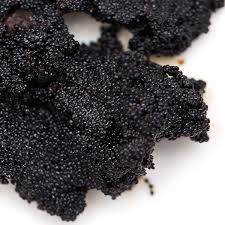
American buttercream combines softened butter with icing sugar and calls it done. It is fast. It is also one-dimensionally sweet, gritty on the palate, and so dense that vanilla flavour gets buried beneath 400–500g of pure sugar per batch.
Swiss meringue buttercream (SMBC) starts by heating egg whites and sugar together to exactly 72°C. At this temperature the mixture is both pasteurised and fully dissolved — no grittiness, no raw-egg concern. The eggs then whip to stiff, glossy peaks before butter is incorporated in cubes.
The result is silky, light, and only moderately sweet. Critically, that lower-sugar base lets every compound in vanilla paste express itself without competition. 1 teaspoon of Vanillature Sumatra Bourbon Paste per 500g of finished SMBC delivers full, balanced vanilla flavour in every single bite.
Use 1 teaspoon (5g) of vanilla paste per 500g finished buttercream. Scaling up a double batch? Use 2 teaspoons. The ratio holds precisely — paste is consistent in vanillin density in a way extract never is.
The Swiss Meringue Buttercream Method, Step by Step
This recipe produces approximately 700g of finished buttercream — enough to generously frost a 2-layer 20cm cake or 24 standard cupcakes.
- Combine 4 egg whites (120g) and 200g caster sugar in a heatproof bowl set over a saucepan of simmering water. Whisk constantly until the mixture reaches exactly 72°C on an instant-read thermometer. At this temperature the sugar fully dissolves and the eggs are safely pasteurised.
- Transfer the bowl immediately to a stand mixer fitted with the whisk attachment. Beat on high speed for 8–10 minutes until the meringue is glossy, stiff, and the bowl feels completely cool to the touch. Never add butter while any warmth remains — it will melt and the batch will split.
- Switch to the paddle attachment. Add 340g of unsalted butter — at 20°C room temperature, cut into 2cm cubes — one cube at a time on medium speed. The mixture may look curdled around the 3-minute mark. Keep mixing. It will come together into a smooth, silky cream within 5–7 minutes.
- Add 1 teaspoon (5g) of Vanillature Sumatra Bourbon Vanilla Paste and a pinch of fine sea salt. Beat for a further 60 seconds on medium. Every one of those 100–200 seeds per teaspoon distributes evenly through the finished batch.
- Use immediately, or refrigerate in an airtight container for up to 5 days. Before using from cold, bring to room temperature and re-beat for 2 minutes to restore the emulsion.
“When I open a jar of our paste, I can see hundreds of tiny seeds right away. Those seeds hold the real flavour — they are what makes our vanilla different from a bottle of clear extract.”
— Bu Sari, vanilla farmer, Deli Serdang, 11 years cultivating Planifolia
Why Vanilla Paste Outperforms Extract in This Recipe
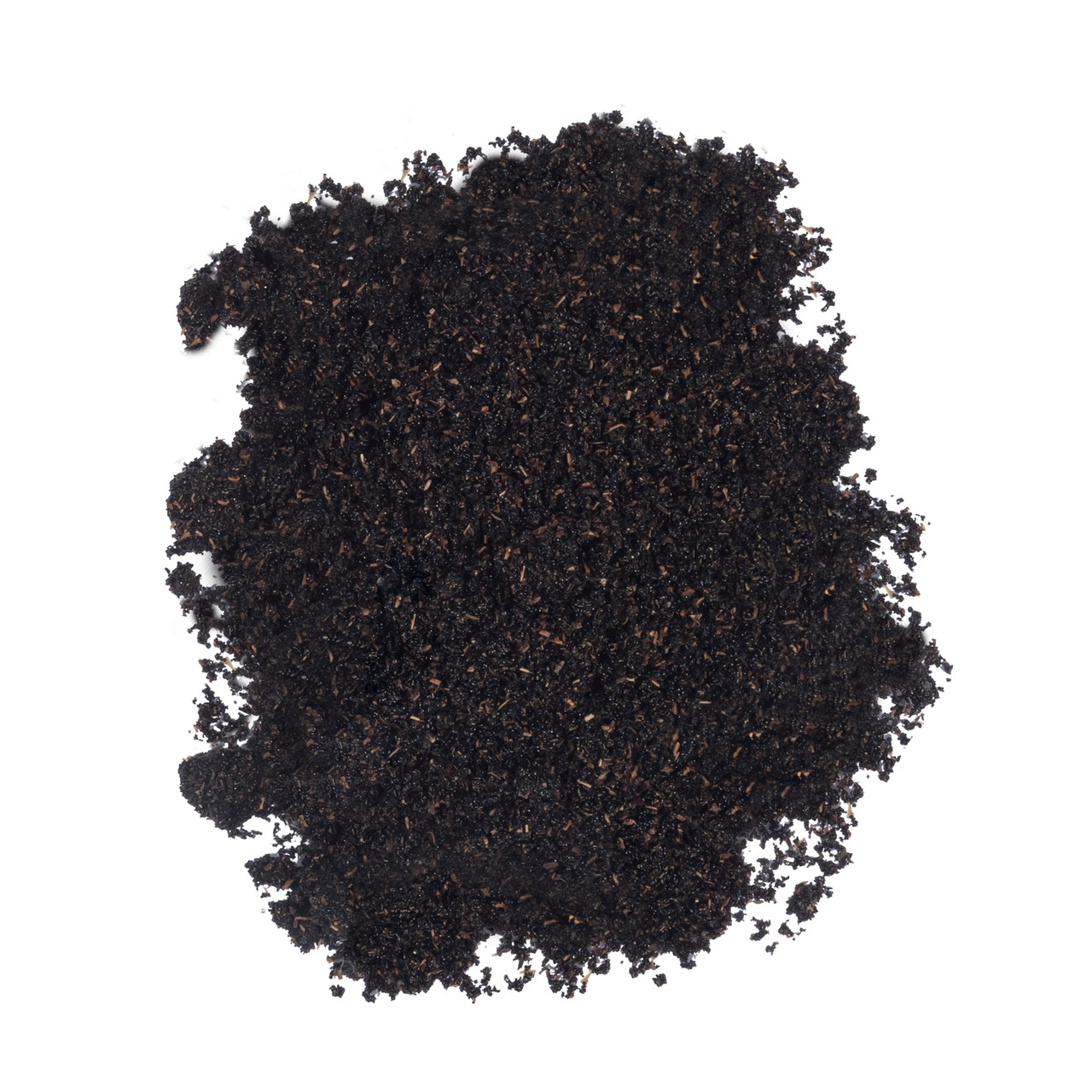
Vanilla paste is made from whole-bean solids suspended in a thick, sugar-syrup base. Those solids carry concentrated vanillin — in Vanillature’s Sumatra Planifolia, that means 2.5%+ vanillin, compared to the industry average of 1.5–2.0% in standard extract sources (Havkin-Frenkel & Belanger, 2011).
Visible seeds are not cosmetic. Each black speck is a bundle of flavour-carrying tissue from inside the bean. Research confirms that seed density in paste directly correlates with aromatic complexity and vanillin delivery (Havkin-Frenkel & Belanger, 2011). At 100–200 seeds per teaspoon, Vanillature paste delivers both the visual signal — those classic dark flecks throughout white frosting — and the flavour depth that extract cannot replicate.
Extract also contains roughly 35% alcohol, which evaporates during any heated application. Paste carries no alcohol. In a no-bake preparation like SMBC, every aromatic compound stays in the bowl — and in the finished frosting.
Vanillature’s Crystal Vanilla paste carries an even higher vanillin reading of 3.5–4%, driven by surface crystals of pure concentrated vanillin. For a frosting where vanilla is the centrepiece rather than a supporting note, Crystal Vanilla paste raises the result by a measurable degree.
Colour, Texture, and Professional Finishing Tips
Swiss meringue buttercream made with real vanilla paste is naturally ivory — not the stark white of American buttercream. This warm, cream tone is a visible marker of authentic vanilla content, and most experienced bakers treat it as a quality signal rather than a flaw.
- Achieving pure white: Add a single drop of violet food colouring on medium speed. The complementary pigment neutralises the yellow tones from butter and egg. Use no more than 1 drop per 700g batch — excess turns the frosting grey.
- Preventing splitting: Butter temperature is everything. At 18–22°C, butter emulsifies cleanly. Below 15°C it seizes; above 25°C it melts the meringue. Use a thermometer, not guesswork.
- Fixing a broken batch: If the mixture looks soupy or curdled, place the bowl over a pot of warm water for 10 seconds, then re-beat. The emulsion re-forms in under 2 minutes in 95% of cases.
- Piping consistency: SMBC softens quickly in warm rooms. Pipe immediately from a cool buttercream, then refrigerate the finished cake for 15 minutes to set the surface before serving.
- Scaling the vanilla: For a subtle background note, use ½ teaspoon per 500g. For a bakery-forward vanilla flavour that defines the cake, use the full 1 teaspoon. Never exceed 1½ teaspoons — paste is dense enough that above this ratio it slightly thickens the final texture.
Frequently Asked Questions
Elevate Every Batch With Real Vanilla Paste
Vanillature Sumatra Bourbon Vanilla Paste — hand-harvested from 500+ smallholder farmers in North Sumatra at 680 metres above sea level, testing above 2.5% vanillin per batch.
Ready to use in your next vanilla buttercream frosting recipe — or any bake where vanilla deserves the lead role.
Havkin-Frenkel, D. & Belanger, F.C. (2011). Handbook of Plant and Crop Science: Vanilla. Taylor & Francis. — vanilla paste application, visible seed density, and aromatic compound profiles.
