


Vanilla Knowledge
Vanilla Bean Latte at Home: Better Than Any Coffee Shop Version

Jul
Vanilla Bean Latte at Home: Better Than Any Coffee Shop Version
A vanilla latte made with real vanilla beans has a warmth and complexity that flavoured syrups simply cannot replicate. Here is how to make one properly.
per 500 ml vanilla milk — the correct ratio for full flavour without bitterness
farm-to-cup production time from first flower to finished, cured bean
vanillin content in Sumatra Planifolia — industry average is only 1.5–2.0%
Why Your Coffee Shop’s Vanilla Latte Tastes Like Syrup
Rain hits the window at 6:47 a.m. The kettle hisses. You reach for the bottle of vanilla syrup you keep beside the stove — and pause. That caramel-coloured liquid contains propylene glycol, artificial flavouring, and 28 grams of added sugar per pump. It does not contain a single vanilla bean.
Commercial flavoured syrups rely on synthetic vanillin derived from wood pulp or petrochemical guaiacol. The compound is chemically identical to natural vanillin but exists in complete isolation. Real vanilla beans contain over 250 individual flavour compounds that interact with heat, fat, and acidity in ways a single molecule cannot (Havkin-Frenkel & Belanger, 2011).
A proper vanilla latte recipe built on a real bean delivers depth, a faint floral warmth, and a long finish. Two whole methods below will make it achievable in under 15 minutes.
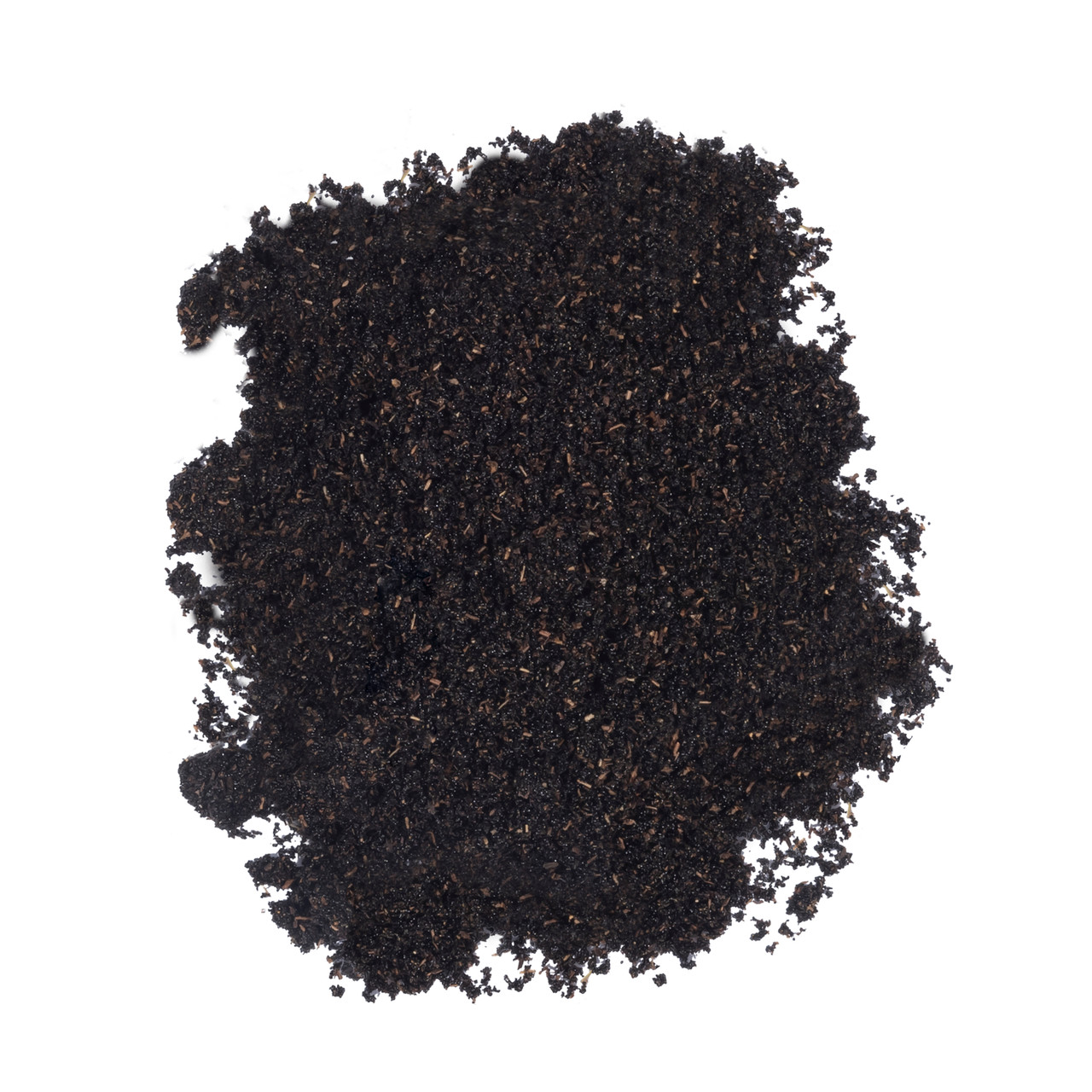
Choosing Your Bean: Sumatra Planifolia vs Papua Tahitian
Bean selection changes everything in a vanilla latte recipe. Sumatra Planifolia, grown at 680 metres above sea level in North Sumatra, delivers vanillin levels consistently above 2.5% — against an industry average of just 1.5–2.0%. That extra vanillin reads as a deep, creamy, round note in hot milk.
Papua Tahitian beans (Vanilla tahitensis) bring a different profile entirely. They are lower in vanillin but high in heliotropin — the compound responsible for a soft, anise-like floral quality. In a latte, 1 Papua Tahitian bean per 500 ml milk creates a lighter, perfumed cup that pairs exceptionally well with single-origin filter coffee.
Both varieties come to you after approximately 15 months of production: 9 months ripening on the vine, then 3–6 months of traditional sun curing that drives enzymatic conversion and deepens the final flavour profile.
“The Tahitian bean has a gentler perfume — when I steam it into milk, it smells like a flower garden before the coffee even touches the cup. I use one bean to 500 ml and nothing more — go over that and you lose the delicacy.”
— Bu Marlina, vanilla farmer, Papua, 8 years cultivating Tahitian variety
Method One: Vanilla Simple Syrup From Real Beans
This method works for batch preparation and stores for up to 3 weeks in the fridge.
- 1 whole Grade A Vanillature vanilla bean (moisture 30–35%, vanillin above 2.0%)
- 200 ml water
- 200 g white caster sugar
Method
- Split the bean lengthways. Scrape seeds into a small saucepan.
- Add the pod, water, and sugar. Stir over medium heat for 4 minutes until sugar fully dissolves — do not boil.
- Remove from heat. Steep for 30 minutes, then strain and bottle.
- Add 15–20 ml syrup per espresso-based drink.
The spent pod still holds significant aromatic compounds. Rinse, dry it fully, and bury it in a jar of caster sugar for 7 days to produce vanilla sugar at no extra cost.
This vanilla latte recipe method works beautifully with a double espresso or a 200 ml pour-over. The syrup integrates into hot milk in under 10 seconds — no blending required.
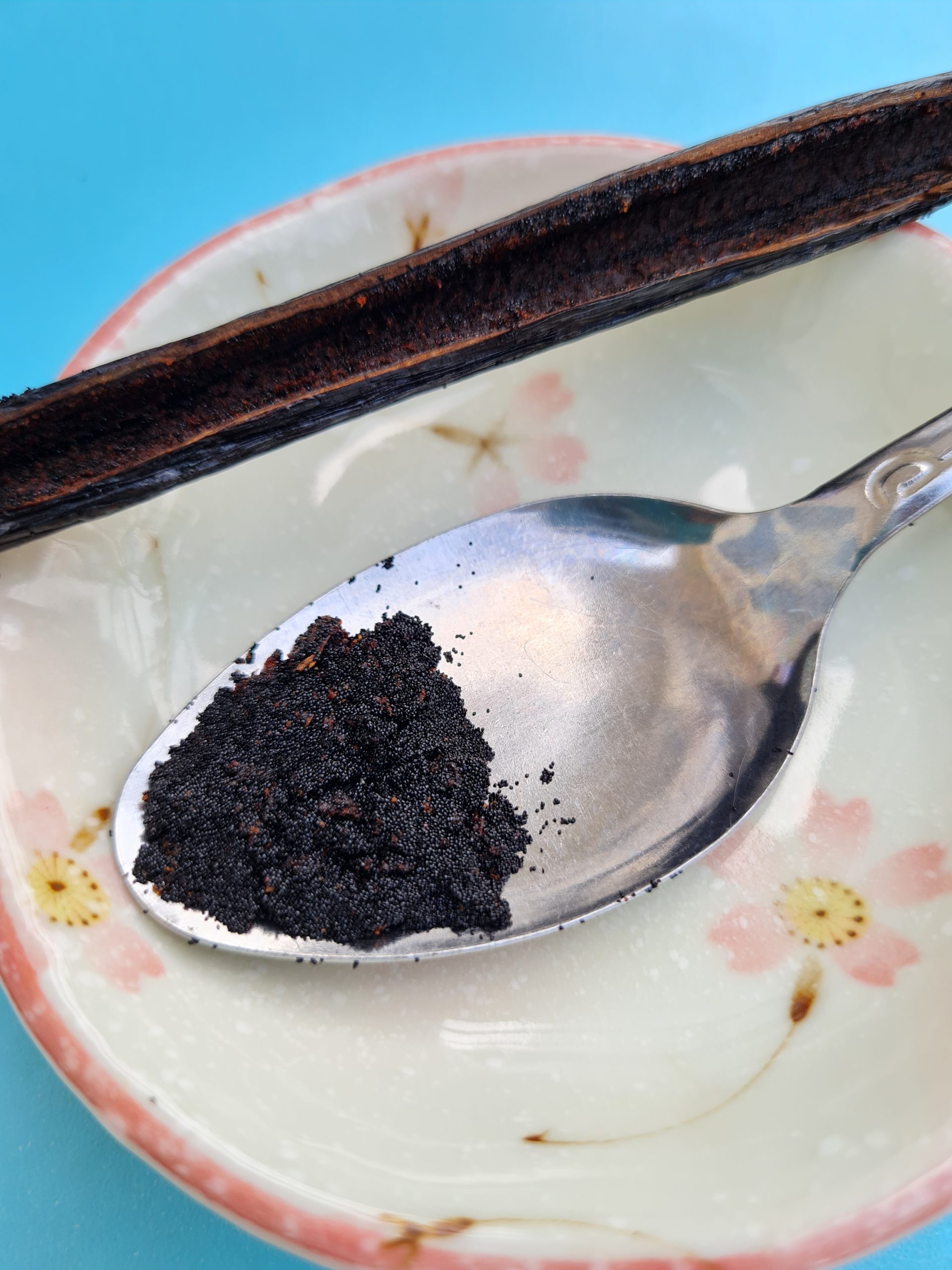
Method Two: Scraping Direct Into Hot Milk
This is the faster approach — and it is the one Bu Marlina uses herself. Exactly 1 bean per 500 ml is the correct ratio. More than that pushes the flavour into bitterness; less and the milk simply tastes sweet without any real vanilla character.
- Heat 500 ml whole milk to 65°C — hot enough to extract flavour compounds, cool enough to avoid scorching them.
- Split 1 vanilla bean. Scrape all seeds directly into the milk.
- Add the empty pod. Steep off-heat for 8 minutes.
- Remove pod. Froth the vanilla milk to your preferred texture.
- Pour over a double espresso or directly into a filter coffee for a longer, milkier drink.
At 65°C, vanillin and the supporting aromatic compounds dissolve readily into milk fat, which acts as an efficient carrier (Havkin-Frenkel & Belanger, 2011). Heating beyond 75°C begins to volatilise the lighter floral compounds — the very notes that distinguish real vanilla from synthetic syrup.
For the Papua Tahitian version, the heliotropin compounds are heat-sensitive. Keep infusion temperature at or below 65°C and steep for no longer than 6 minutes to preserve the floral top notes.
Pairing: Espresso or Filter Coffee?
The vanilla latte recipe you choose should match your coffee base. Sumatra Planifolia’s deep vanillin character pairs well with the bitter punch of a 30 ml double espresso — the two heavyweights reinforce rather than cancel each other.
Papua Tahitian vanilla, with its lighter heliotropin-driven profile, performs better over a 180 ml filter brew: a Chemex or V60 with a washed Ethiopian or Colombian bean. The floral vanilla and the fruit-forward coffee share frequency without competing.
Indonesia produces approximately 2,300 tonnes of vanilla annually — making it the world’s second-largest producer after Madagascar (FAO, 2023). A significant portion of that crop comes from 500+ smallholder farmers supplying premium operations such as Vanillature. Each bean in your cup carries 15 months of careful agricultural work before it reaches your kitchen.
Split vanilla bean beside a ceramic pour-over dripper — filter coffee and espresso cup
Grading Matters: Why Grade A Makes the Difference
At Vanillature, we sort every bean through a 5-stage grading process. Grade A beans carry 30–35% moisture content and vanillin levels above 2.0%. This moisture level matters in hot-milk applications: a plump, supple bean releases its seeds easily and infuses more completely than a dry, brittle one.
Grade B beans (15–25% moisture, vanillin above 1.0%) are excellent for baking — where longer, dry heat extracts their remaining compounds over 40–60 minutes. For a vanilla latte recipe requiring a quick 6–8 minute steep in hot milk, Grade A is the correct choice every time.
For the highest possible vanillin impact, our Crystal Vanilla beans test at 3.5–4% vanillin — the surface crystals are concentrated vanillin that has migrated outward during curing. One Crystal Vanilla bean per 500 ml milk produces a latte with a noticeably richer and longer finish than any flavoured syrup can achieve.
Frequently Asked Questions
Use exactly 1 whole vanilla bean per 500 ml of milk. This is the correct ratio for full flavour extraction without tipping into bitterness. Grade A Vanillature beans carry vanillin levels above 2.0% and 30–35% moisture, making them the most efficient choice for a quick hot-milk steep of 6–8 minutes.
Sumatra Planifolia delivers a deep, creamy vanilla note with vanillin content consistently above 2.5% — against the industry average of 1.5–2.0%. Papua Tahitian beans (Vanilla tahitensis) are lower in vanillin but high in heliotropin, producing a soft, anise-like floral note that pairs best with filter coffee. Both arrive after 15 months of growth and curing.
Heat milk to exactly 65°C. At this temperature, vanillin and the 250+ supporting flavour compounds dissolve efficiently into the milk fat. Heating above 75°C volatilises the lighter floral aromatics that distinguish real vanilla from synthetic syrup. For Papua Tahitian beans, keep infusion temperature at or below 65°C and limit steeping to 6 minutes.
Homemade vanilla simple syrup made from 1 whole Grade A bean, 200 ml water, and 200 g sugar lasts up to 3 weeks refrigerated in a sealed bottle. Use 15–20 ml per espresso-based drink. The spent pod retains useful aromatic compounds — dry it and bury it in caster sugar for 7 days to produce vanilla sugar at zero additional cost.
Brew Something Worth the 15 Months It Took to Grow
Vanillature sources directly from 500+ smallholder farmers across North Sumatra and Papua. Every bean passes a 5-stage quality sort before it reaches your kitchen. Grade A and Crystal Vanilla beans are available now for home and wholesale orders.
Vanillature holds a 5.0 star rating from 174+ verified buyers on eBay, with additional verified ratings on Shopee and TikTok Shop Indonesia — independently confirmed quality across three separate platforms.
Vanillature (PT. Sumber Bukit Jaya) — Jl. Prof. H.M. Yamin SH No. 224M, Medan, North Sumatra 20234, Indonesia — +62 878-6986-1288
