


Vanilla Knowledge
Sumatra vs Madagascar Vanilla: A Supplier’s Honest Comparison
Jul
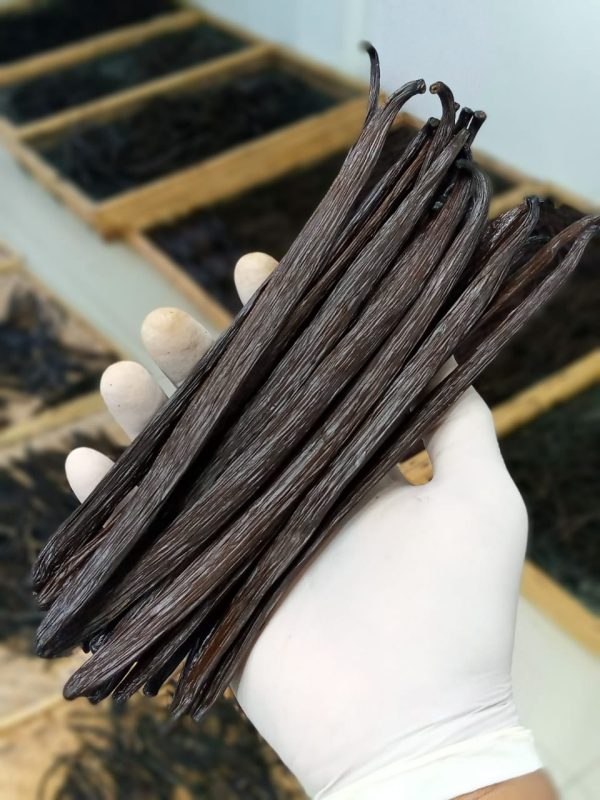
Madagascar commands roughly 80% of global vanilla trade — yet Sumatra vanilla beans consistently test above 2.5% vanillin content, surpassing Madagascar’s typical 1.5–2.0% range. This is an honest side-by-side from a Sumatran supplier.
Why This Comparison Matters for Buyers
The global vanilla market is worth an estimated USD 700 million annually. Most buyers default to Madagascar as the benchmark — and for understandable reasons. Madagascar’s vanilla industry is 150 years old, deeply documented, and universally recognised by pastry chefs and food manufacturers alike.
But Indonesia produces approximately 2,300 tonnes of vanilla per year, making it the world’s second-largest supplier (FAO Crop Statistics, 2023). A growing share of that output comes from Sumatra, where volcanic soil and elevation produce a chemically distinct — and often more potent — bean.
We sell Sumatran vanilla. We’ll tell you where Madagascar wins. We’ll also tell you where the numbers favour Sumatra. Buyers deserve both sides.
Vanillin Content: Where Sumatra Pulls Ahead
Vanillin is the primary aromatic compound in vanilla. It drives flavour intensity in baking, ice cream, and fragrance applications. Standard industry Grade A beans test between 1.5% and 2.0% vanillin — this is the Madagascar benchmark that most quality specifications are written around (Dunphy et al., Food Chemistry, 2020).
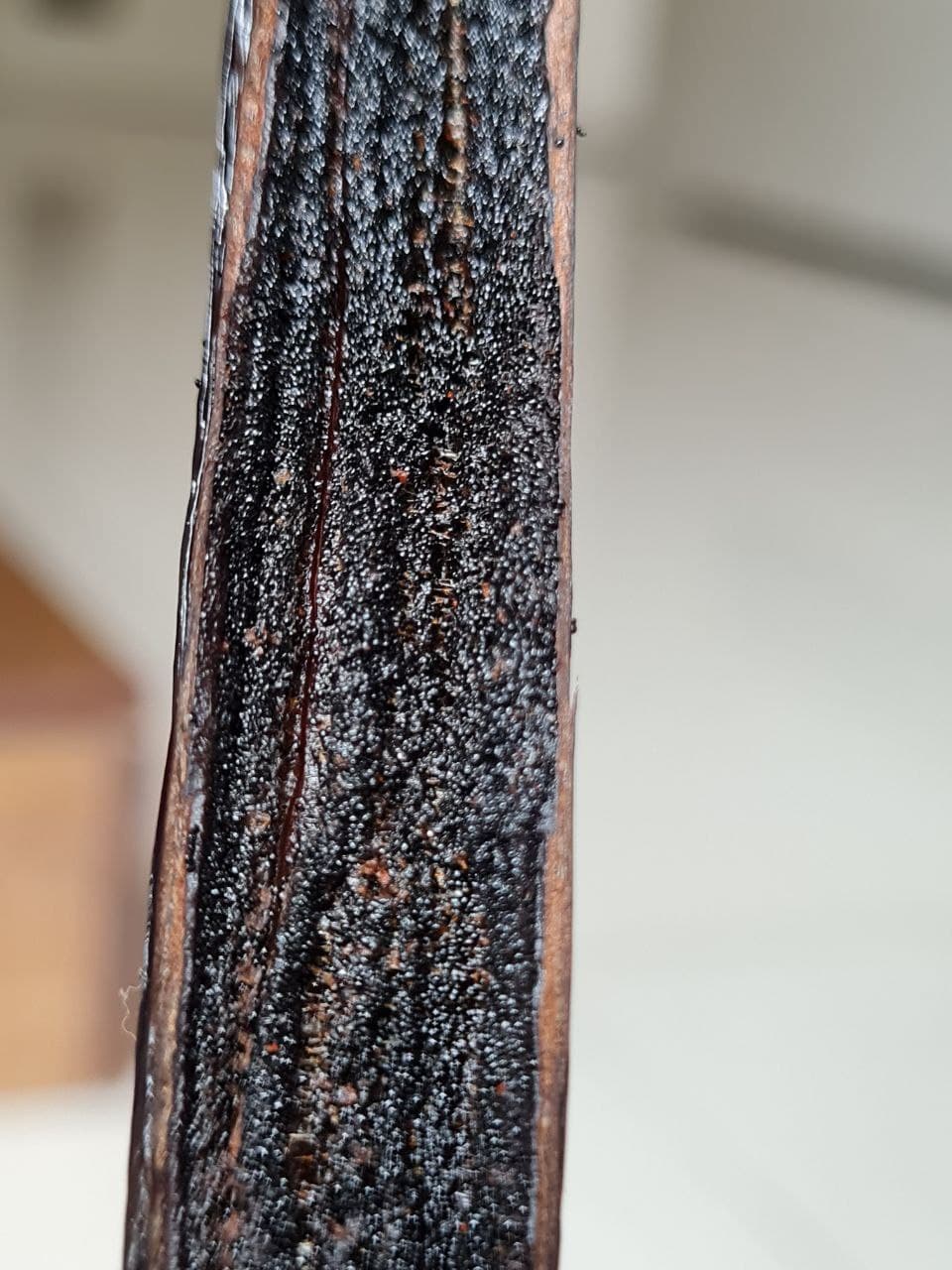
Sumatra Grade A beans from our 500+ direct-farm partners consistently test above 2.0% vanillin. The best harvests — particularly from farms at 680 metres above sea level in North Sumatra — reach above 2.5%. That represents a measurable concentration advantage that directly affects flavour yield per gram.
Higher vanillin means more flavour per bean. For industrial buyers calculating extraction ratios, the difference between 1.8% and 2.5% vanillin translates directly to production cost savings. Bythrow (Journal of Food Chemistry, 2005) confirmed that vanillin concentration is the single strongest predictor of aromatic intensity in Planifolia extracts.
Vanillin content is measured as a percentage of dry bean weight. Vanillature tests every batch using HPLC analysis before grading. Our Crystal Vanilla — identifiable by surface vanillin crystallisation — reaches 3.5–4.0% vanillin, the highest in our product range.
Flavour Profile: Different, Not Inferior
Madagascar vanilla has a classic creamy, sweet, rounded profile. It works beautifully in milk-based applications — custards, crème brûlée, white chocolate — where its softer top notes integrate smoothly. This profile is the result of specific microclimate, terroir, and generations of refined curing technique.
Sumatra vanilla beans deliver a different experience: bold, slightly smoky, with darker woody undertones and a longer aromatic finish. Chefs describe it as “complex” or “earthy-sweet.” It performs exceptionally well in dark chocolate, coffee pairings, spiced baked goods, and savoury applications — categories where Madagascar’s creaminess can get lost.
Neither profile is objectively superior. They serve different culinary purposes. Buyers who stock only one origin limit their application range.
“The slow curing is everything. I take 3 to 6 months because I want the vanillin to fully develop inside the bean — not just on the surface. When I open a cured bean and see the crystals forming, I know the flavour will be powerful. That is the Sumatra character.”
Moisture, Grade Standards, and Supply Consistency
Vanilla bean quality is defined by two primary metrics: moisture content and vanillin percentage. At Vanillature, we apply a 5-stage sorting process to every harvest.
Grade A Sumatra beans carry 30–35% moisture and test above 2.0% vanillin — the moisture level that preserves flexibility, oiliness, and maximum aromatic complexity. Grade B beans carry 15–25% moisture with vanillin above 1.0%, suited to extraction and grinding applications.
Madagascar Grade A specifications follow a similar moisture target. The key supply-chain difference is traceability. Madagascar’s industry routes predominantly through exporter cooperatives — origin-to-farm data is rarely available to the end buyer. Vanillature works with 500+ named smallholder farmers across North Sumatra and Papua. Every lot is traceable to the specific village and farmer group that produced it.
| Factor | Sumatra (Vanillature) | Madagascar (Typical) |
|---|---|---|
| Vanillin — Grade A | Above 2.0% (best above 2.5%) HIGHER | 1.5–2.0% |
| Flavour Profile | Bold, woody, smoky, long finish | Creamy, sweet, rounded CLASSIC |
| Grade A Moisture | 30–35% | 30–35% (comparable) |
| Elevation / Terroir | 680m ASL, volcanic soil DISTINCT | Sea-level to 400m, laterite soil |
| Farm Traceability | 500+ named direct-farm partners TRANSPARENT | Typically cooperative-pooled |
| Global Brand Recognition | Growing | Dominant — 80% market share ESTABLISHED |
| Price Volatility | More stable (diversified sourcing) | High — cyclone-driven spikes |
Price Volatility: The Supply Chain Risk Buyers Underestimate
Madagascar’s vanilla price history is dramatic. Cyclone Enawo in 2017 destroyed approximately 30% of the national crop overnight, triggering a price spike from USD 100/kg to over USD 600/kg within 18 months. Buyers who sourced exclusively from Madagascar absorbed that cost in full.
Indonesia’s 2,300-tonne annual output is geographically dispersed across multiple islands and microclimates. North Sumatra, South Sumatra, Sulawesi, and Papua produce independently — a regional drought or storm rarely affects the entire country’s supply simultaneously. This structural diversification provides meaningful price stability that Madagascar’s concentrated production cannot match.
For food manufacturers and bakery chains operating on fixed recipe margins, supply stability is as commercially important as flavour quality. Sumatra vanilla beans offer both.
Terroir: What 680 Metres of Elevation Actually Does
Vanilla planifolia is a tropical vine. It grows best between 10°N and 20°S latitude, where rainfall, humidity, and temperature create the enzymatic conditions that convert glucovanillin into vanillin during curing (Havkin-Frenkel & Belanger, Handbook of Plant and Crop Science, 2011).
North Sumatra farms sit at 680 metres above sea level on volcanic mineral soil formed by the Toba supervolcanic system. That elevation reduces average temperature by approximately 3–4°C compared to sea-level cultivation. Cooler nights slow the bean’s metabolic processes, concentrating aromatic precursors over the full 9-month maturation cycle on the vine.
The volcanic mineral composition — high in potassium, phosphorus, and trace silica — feeds root uptake that influences the secondary aromatic compounds responsible for Sumatra’s smoky, complex finish. This is terroir in the same sense the word applies to wine. It is not marketing language — it is soil chemistry.
The Honest Verdict
Madagascar vanilla remains the world’s most recognisable and trusted vanilla origin. Its creamy profile is the default expectation in Western consumer markets. Any supplier claiming Madagascar is inferior is not being straight with you.
What is also true: Sumatra vanilla beans carry measurably higher vanillin in many certified harvests, a bold flavour profile that outperforms Madagascar in specific culinary applications, stronger direct-farm traceability, and greater supply-chain resilience.
The best-stocked pastry kitchens and food manufacturers use both. Origins are tools, not loyalties. Vanillature’s role is to make Sumatra’s strongest tool available — with full documentation, batch-level testing, and a transparent supply chain back to the 500+ farmers who grew it.
Frequently Asked Questions
