


Vanilla Knowledge
Is Organic Vanilla Worth the Premium? The Truth About Organic Certification
Jun
Is Organic Vanilla Worth the Premium? The Truth About Organic Certification
Organic vanilla beans command a 20–40% price premium at retail. But certification alone does not guarantee superior flavour, higher vanillin, or more ethical sourcing. Here is what the label actually means — and what to look for instead.
What Organic Certification Actually Requires
The USDA National Organic Program sets the standard for organic vanilla sold in the United States. It requires farms to avoid synthetic pesticides, herbicides, and fertilisers for a minimum 3-year transition period before certification is granted (USDA National Organic Program, 2023). Third-party inspectors must verify compliance annually.
For Sumatran smallholder farms, that inspection requirement creates an immediate problem. A single certification audit costs between $5,000 and $15,000 per farm per year. Most vanilla farmers in North Sumatra cultivate plots of just 0.5–2 hectares. That fee exceeds a full year’s vanilla income for many of them.
Certification costs are not a barrier because farmers use chemicals. They are a barrier because the administrative infrastructure — paperwork, auditor access, translation services, and bank transfers — does not exist at the village level in most growing regions.
Why Small Sumatran Farms Rarely Hold Organic Certificates
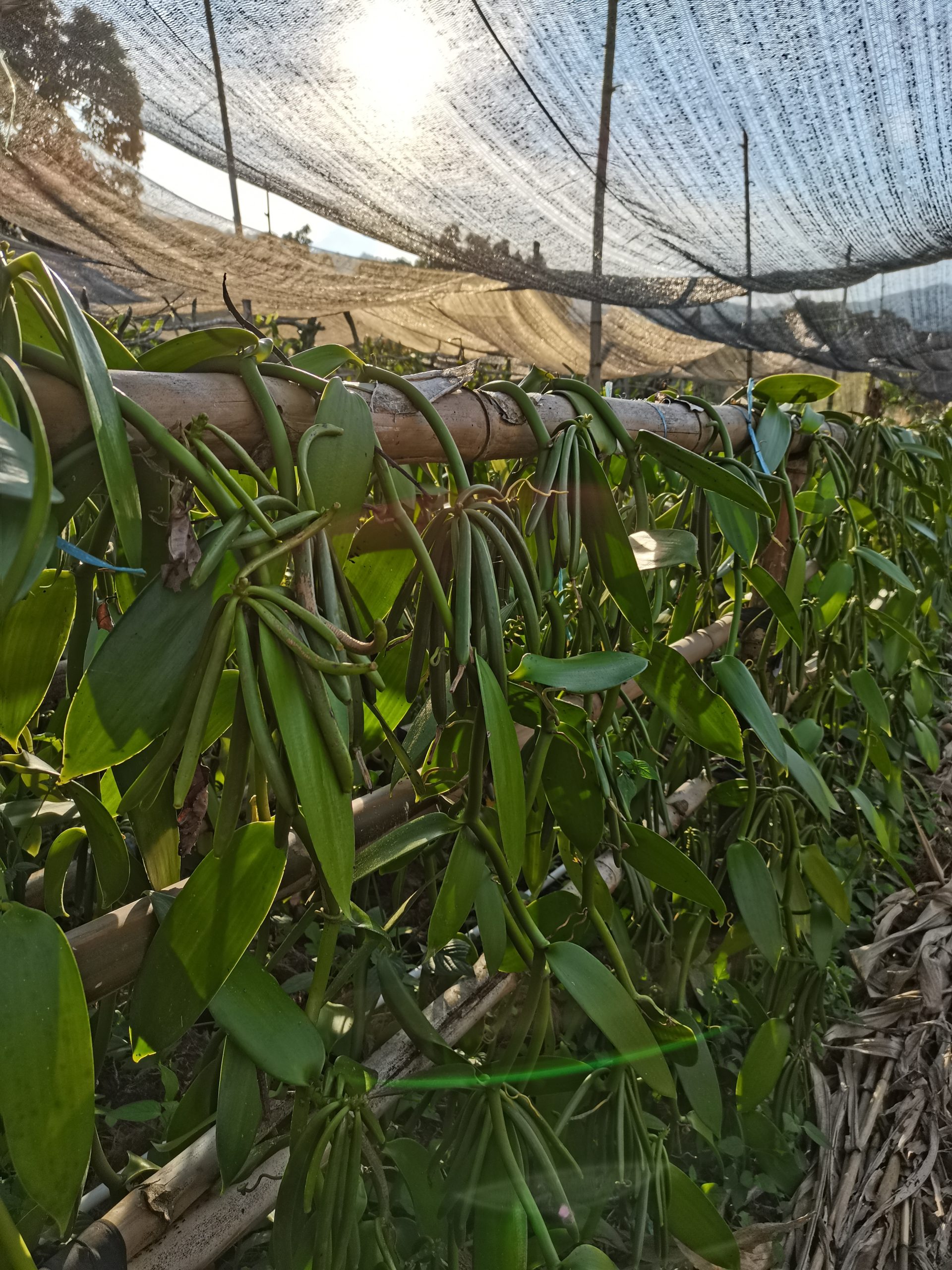
North Sumatra’s vanilla farms sit at elevations around 680 metres above sea level. The volcanic soil, rainfall patterns, and biodiversity at that altitude naturally deter many common pest pressures. Farmers at this elevation typically do not need synthetic inputs — not because of a certification programme, but because the ecosystem functions well without them.
Vanilla flowers open for just 6–8 hours each day, from approximately 6am to 9am. Pollination is done entirely by hand, one flower at a time. That level of human attention makes large-scale chemical application impractical. Each bean then spends 9 months maturing on the vine before harvest.
Despite these naturally low-input growing conditions, fewer than 5% of Indonesian vanilla farms currently hold active organic certification. The cost structure simply does not work at the smallholder scale. A farmer producing 80 kg of cured beans per year cannot absorb a $10,000 annual audit fee and remain financially viable.
“People ask me if my vanilla is organic. I tell them: I have never used chemicals on these vines in 12 years. But I cannot afford to pay an inspector to come and write that down on paper. My soil is clean, my hands do the pollinating — that is what I can show you.”
— Pak Irwan, vanilla farmer, Simalungun, North Sumatra, 12 years cultivating Planifolia
The Better Quality Signals: Vanillin, Traceability, and Direct Source
Vanillin content is the most reliable quality signal in a vanilla bean. The industry average sits between 1.5% and 2.0% vanillin by dry weight (Dunphy et al., 2020, Food Chemistry). Vanillature’s Sumatra Planifolia tests consistently above 2.5% per batch — a measurable difference that directly affects flavour intensity in your cooking.
Traceability matters equally. When you buy organic vanilla beans from an anonymous supply chain, the certification covers the final seller’s compliance paperwork — not the conditions on the farm that grew the bean. A certified-organic label from a mass importer tells you nothing about which farm, which region, or which farmer produced the pod.
Vanillin content testing — batch-level laboratory verification at Vanillature
Direct-source purchasing closes that gap. Vanillature sources from 500+ named smallholder farmers across Sumatra and Papua. Every batch passes a 5-stage quality sort before dispatch. That process produces a traceable, accountable supply chain that organic paperwork alone cannot replicate.
When Organic Vanilla Is Worth the Premium — and When It Is Not
Organic certification adds genuine value in large commercial growing operations where synthetic inputs are a real risk — for example, in regions with documented pesticide overuse in export crops. The certification creates external accountability where none would otherwise exist.
In Indonesian smallholder vanilla farming, that risk profile is different. Indonesia produces approximately 2,300 tonnes of vanilla annually, making it the world’s second-largest producer after Madagascar (FAO, 2023). The majority of that output comes from small family farms where chemical application is rare by default, not by regulatory mandate.
The practical test: Ask any vanilla seller for the measured vanillin percentage of their current batch, the named origin farm or region, and the curing method used. If they cannot answer all three, certification status is irrelevant — you do not have enough information to assess quality.
Organic vanilla beans sold at premium price by large retailers often originate from the same Sumatran and Malagasy farms as uncertified beans. The certification cost gets passed to the consumer. The bean inside the pouch is frequently identical in chemistry, flavour profile, and growing conditions.
What Vanillature Offers Instead of Certification
At Vanillature, we test every batch for vanillin content and moisture before it ships. Grade A beans carry moisture between 30–35% and vanillin above 2.0%. Our Sumatra Planifolia consistently exceeds 2.5% vanillin — 25–67% above the industry average depending on the benchmark used.
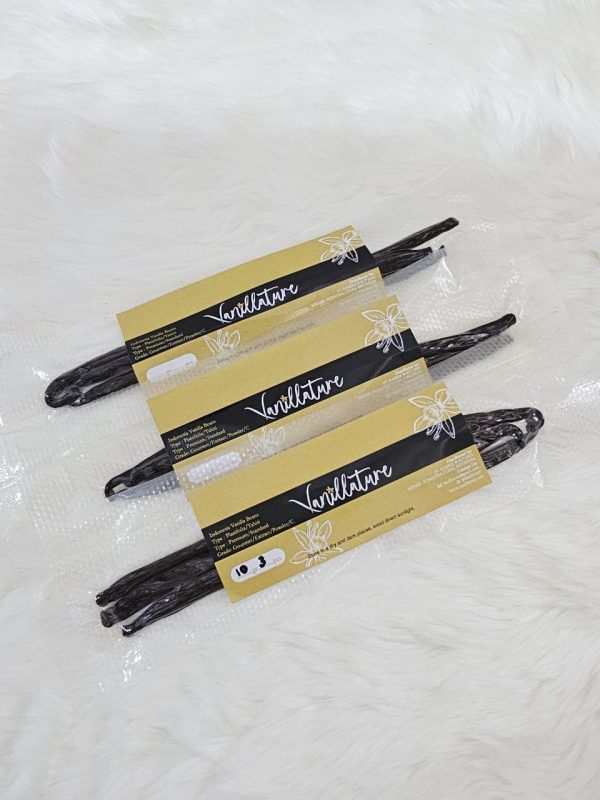
Our Crystal Vanilla beans sit at the top of that range, with surface vanillin crystals indicating concentrations of 3.5–4%. Those crystals form during the 3–6 month traditional sun-curing process when vanillin migrates from the bean’s interior to the surface. You can see and smell the quality before you cook with it.
Every purchase connects directly to the 500+ smallholder farmers in our network. That is traceability, accountability, and measurable quality — three things an organic label alone does not guarantee.
Frequently Asked Questions
Shop Traceable, Tested Sumatra Vanilla
Every batch is tested for vanillin content. Every bean is sorted through a 5-stage quality process. Every purchase supports a named farmer in our direct-source network.
