


Vanilla Knowledge
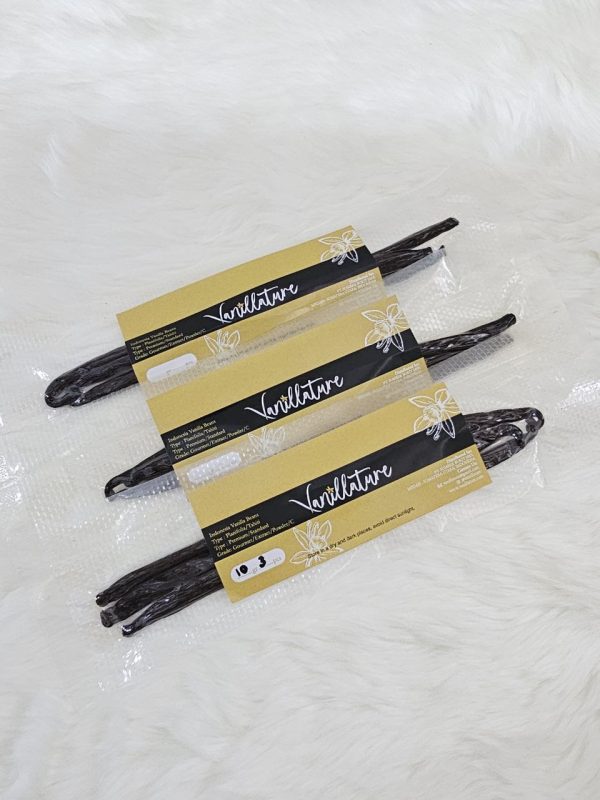
How to Read a Vanilla Bean Label: What the Terms Actually Mean
Jun
Minimum bean length for Grade A classification
Correct moisture range for premium Grade A vanilla beans
Vanillin concentration in Vanillature Sumatra Planifolia (industry avg 1.5–2.0%)
“Bourbon” Does Not Mean Bourbon — It Means a Variety
The word Bourbon on a vanilla label confuses almost every first-time buyer. It does not refer to whiskey, and since 1964 it no longer refers strictly to Bourbon Island (now Réunion). Today, Bourbon vanilla means Vanilla planifolia beans grown with traditional curing methods — typically slow sun-curing over 3–6 months — regardless of geography. Madagascar, Indonesia, and Uganda all produce Bourbon-style vanilla.
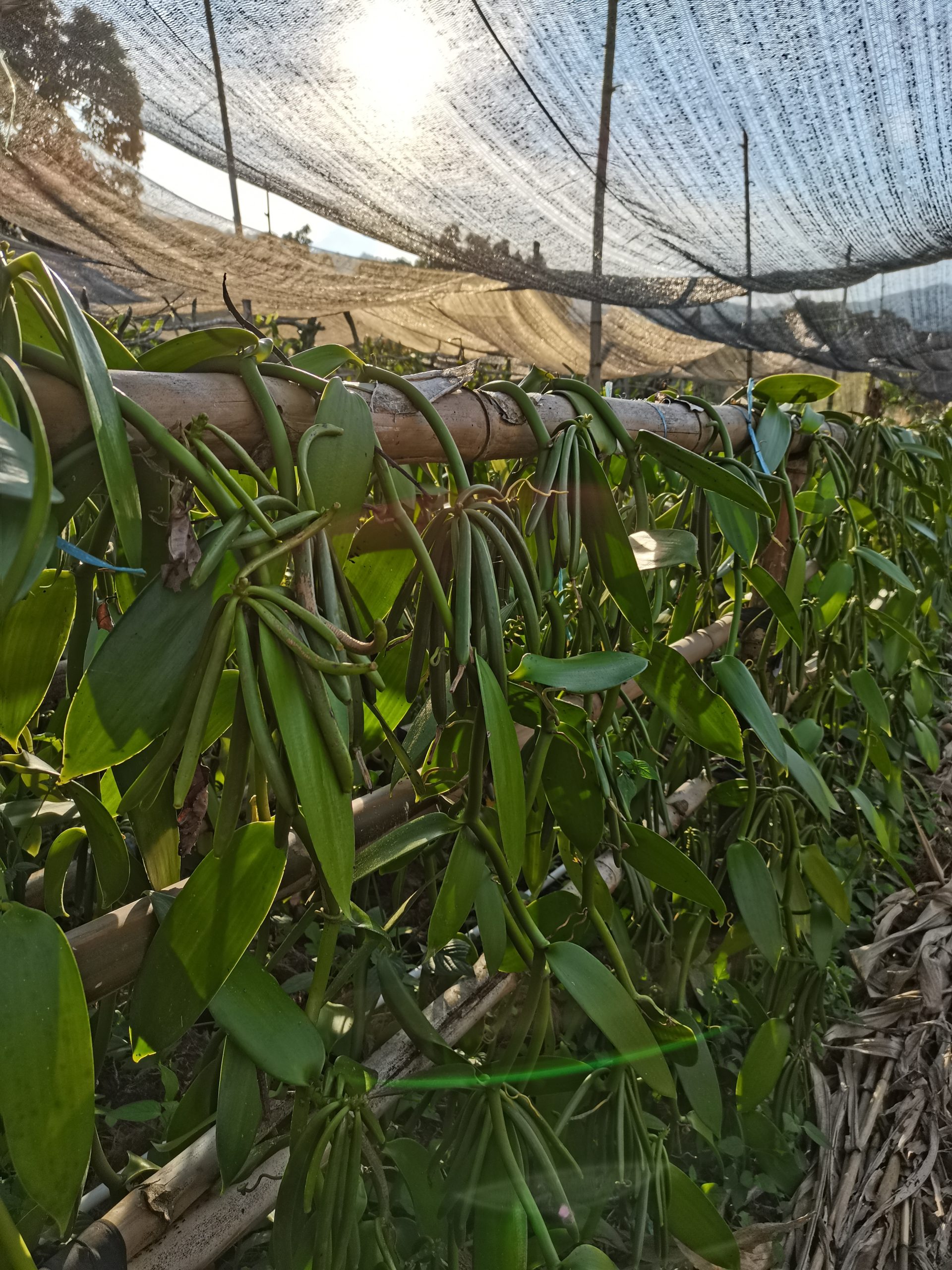
When you know how to buy vanilla beans properly, you look past the Bourbon label to the actual species name. Planifolia is the commercially dominant species worldwide. It produces the classic creamy, sweet, woody flavour profile most people associate with vanilla. Indonesia produces approximately 2,300 tonnes of planifolia annually, making it the world’s second-largest producer after Madagascar (FAO, 2023).
Planifolia vs. Tahitensis: Two Species, Two Flavour Profiles
Vanilla planifolia and Vanilla tahitensis are distinct species with genuinely different chemical compositions. Planifolia carries higher concentrations of vanillin — the primary flavour compound — while tahitensis is lower in vanillin and higher in heliotropin (piperonal), which creates its characteristic floral, anise-like aroma (Dunphy et al., 2020, Food Chemistry).
Planifolia suits baking, custards, and anything requiring deep, assertive vanilla flavour. Tahitensis works beautifully in delicate preparations — light creams, seafood glazes, and raw desserts — where its floral notes can perform without being destroyed by heat. Understanding this difference is essential when you learn how to buy vanilla beans for a specific culinary purpose.
At Vanillature, we source both varieties. Our North Sumatra Planifolia tests consistently above 2.5% vanillin, well beyond the industry average of 1.5–2.0%. Our Papua Tahitensis comes from Bu Marlina’s network of farmers growing at altitude in Papua, where cooler temperatures slow ripening and intensify the floral compound profile.
Grade A vs. Grade B: Moisture Is the Key Number
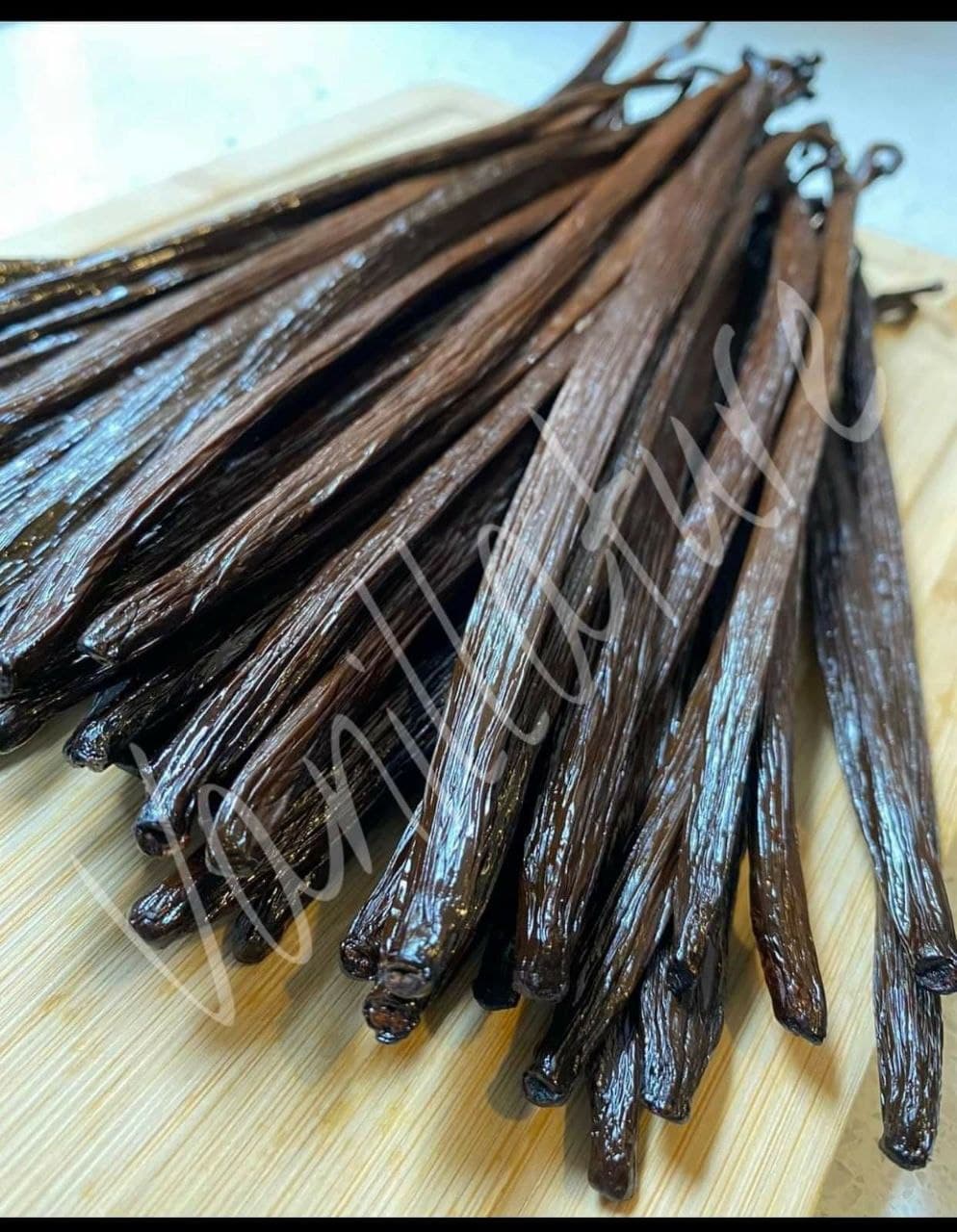
Grading vanilla beans is a precise process. Grade A beans — also called gourmet or prime beans — must meet 3 measurable criteria simultaneously: length of at least 15 cm, moisture content between 25–30%, and vanillin concentration above 2.0%. At those moisture levels, the bean is supple, oily, and will split cleanly when you run a thumbnail along its length.
Grade B beans carry lower moisture, typically 15–25%, and vanillin above 1.0%. They are drier, less pliable, and better suited to extraction — infusing into alcohol or cream — where you can draw out flavour without needing the bean’s texture. Neither grade is inferior for its intended purpose. The mistake is using a Grade B bean to scrape caviar, or overpaying for Grade A when making vanilla extract.
“When I sort beans for Grade A, I look at moisture first — you can feel it in your fingers. A bean with the right moisture bends without cracking. Too dry and you have lost something you can never get back.”
— Pak Rudi, vanilla farmer, Tapanuli, North Sumatra, 9 years cultivating Planifolia
What “Vanillin Content” Actually Tells You
Vanillin is the primary aromatic compound in vanilla beans. It forms during the curing process through enzymatic conversion of glucovanillin — a reaction that requires careful management of temperature and humidity across 3–6 months of traditional sun-curing (Havkin-Frenkel & Belanger, 2011, Handbook of Plant and Crop Science). A rushed or industrial cure produces lower vanillin concentrations.
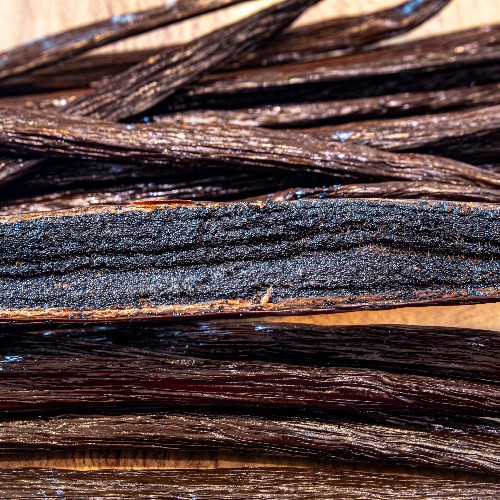
Most commercial vanilla sits between 1.5% and 2.0% vanillin. Premium beans exceed 2.0%. Vanillature’s Sumatra Planifolia tests above 2.5% consistently — a result of 680-metre elevation growing conditions in North Sumatra and the slow curing discipline our 500+ partner farmers apply. Our Crystal Vanilla reaches 3.5–4% vanillin: the white surface crystals you see on those beans are concentrated vanillin that has migrated outward during extended curing.
When you are learning how to buy vanilla beans and comparing products on price alone, vanillin percentage explains the difference. A bean at twice the price but 2.5% vanillin delivers more flavour per gram than a cheap bean at 1.2% vanillin.
The 5-Stage Quality Sorting Process — and Why It Matters
A vanilla bean label cannot tell you what happened before the bean reached the bag. Vanillature uses a 5-stage quality sorting process to ensure every bean shipped matches its stated grade. Stage one is length measurement — any bean under 15 cm is redirected to Grade B. Stage two is visual inspection for splits, mould, or insect damage. Stages three through five cover flexibility testing, moisture verification, and final vanillin batch sampling.
Fewer than 1 in 8 beans that enter our sorting line exits as Grade A. This is not a marketing claim — it is the arithmetic of strict standards applied to a crop where natural variation is inevitable. The 9-month growing period on the vine and the 3–6 month curing window both introduce variability that only rigorous sorting can resolve (Dunphy et al., 2020, Food Chemistry).
Understanding this process helps you buy vanilla beans with confidence. A vendor who lists no grading criteria, no moisture specification, and no species name is not withholding information accidentally — they simply cannot answer those questions.
Frequently Asked Questions
Shop Vanilla Beans You Can Actually Read the Label On
Every Vanillature product lists species, origin, grade, moisture range, and vanillin content — because that is the information you need to buy vanilla beans with confidence.
