


Vanilla Knowledge
Vanilla for Coffee: Which Type Works Best and Why

Jun
per 500 ml cold brew — the correct ratio for full vanilla extraction without bitterness
vanillin in Papua Tahitian, with heliotropin floral notes that pair perfectly with light-roast coffee
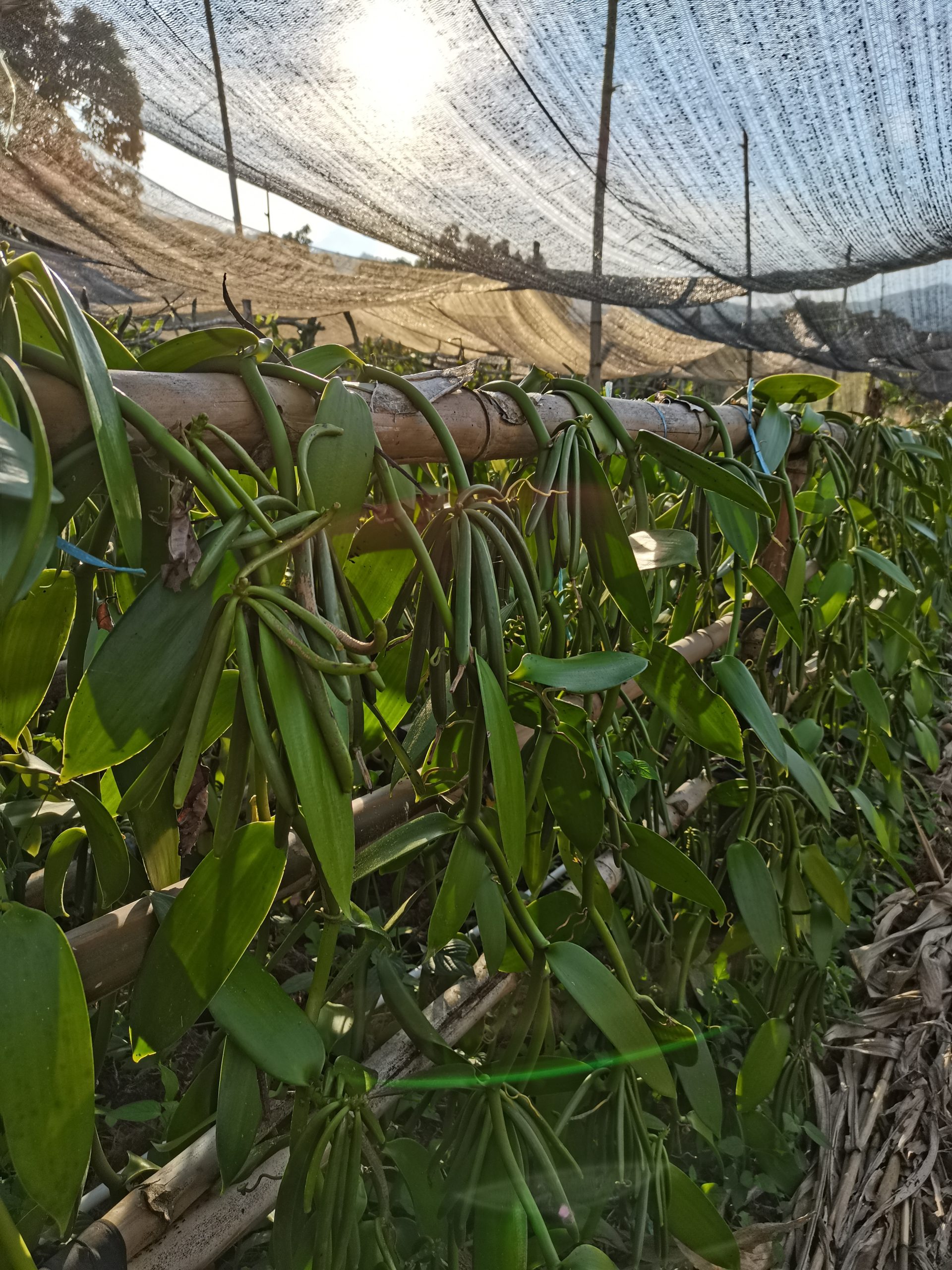
from flower to finished bean — the full farm-to-cup journey behind every Vanillature bean
Why Real Vanilla Outperforms Syrup in Coffee
Commercial vanilla syrups rely on synthetic vanillin — a single isolated compound produced from lignin or petrochemical sources. Real vanilla beans contain more than 200 distinct flavour compounds working together (Havkin-Frenkel & Belanger, 2011). That network of esters, aldehydes, and phenols cannot be replicated in a squeeze bottle.
Vanillin alone registers as flat sweetness at high concentrations. Real vanilla delivers depth because heliotropin, p-hydroxybenzaldehyde, and vanillic acid round out the flavour. Those supporting compounds are the reason a vanilla-infused cold brew tastes complex rather than simply sweet.
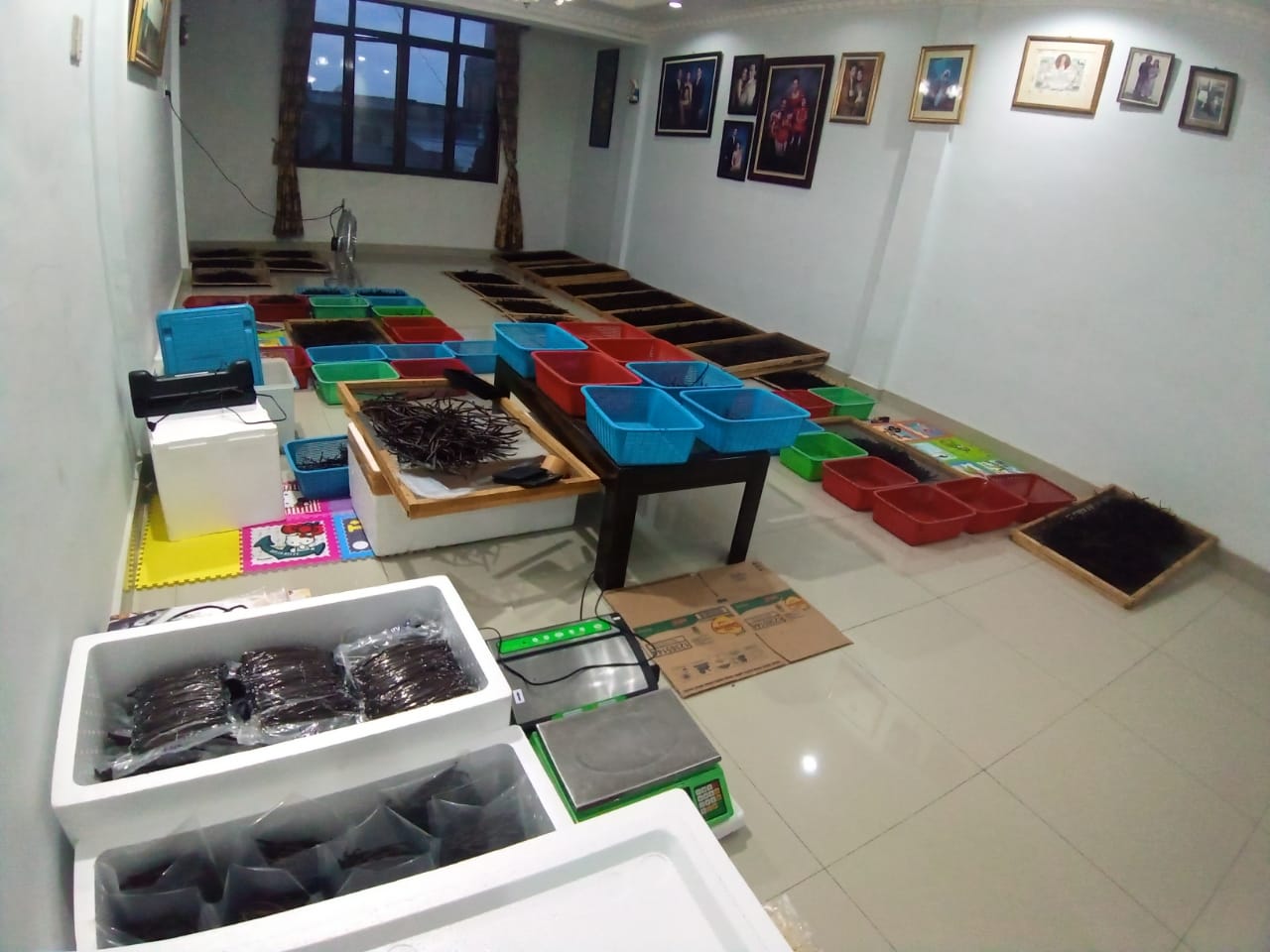
At Vanillature, we source from 500+ smallholder farmers in Sumatra and Papua. Every bean undergoes a 5-stage quality sort before it reaches a customer. That process exists because we know precisely what goes into a cup when these beans are used.
Cold Brew: One Bean, 500 ml, 18 Hours
Cold brew is the simplest and most rewarding application of vanilla in coffee. Use 1 whole Grade A bean per 500 ml of cold water and ground coffee. Split the bean lengthwise, scrape the seeds into the jar, and add the pod. Steep for 16–18 hours in the refrigerator.
Cold extraction draws out the fat-soluble aromatic compounds from the vanilla pod slowly. Heat would accelerate this but also volatilise the lighter floral notes. Cold temperature preserves the full aromatic profile intact.
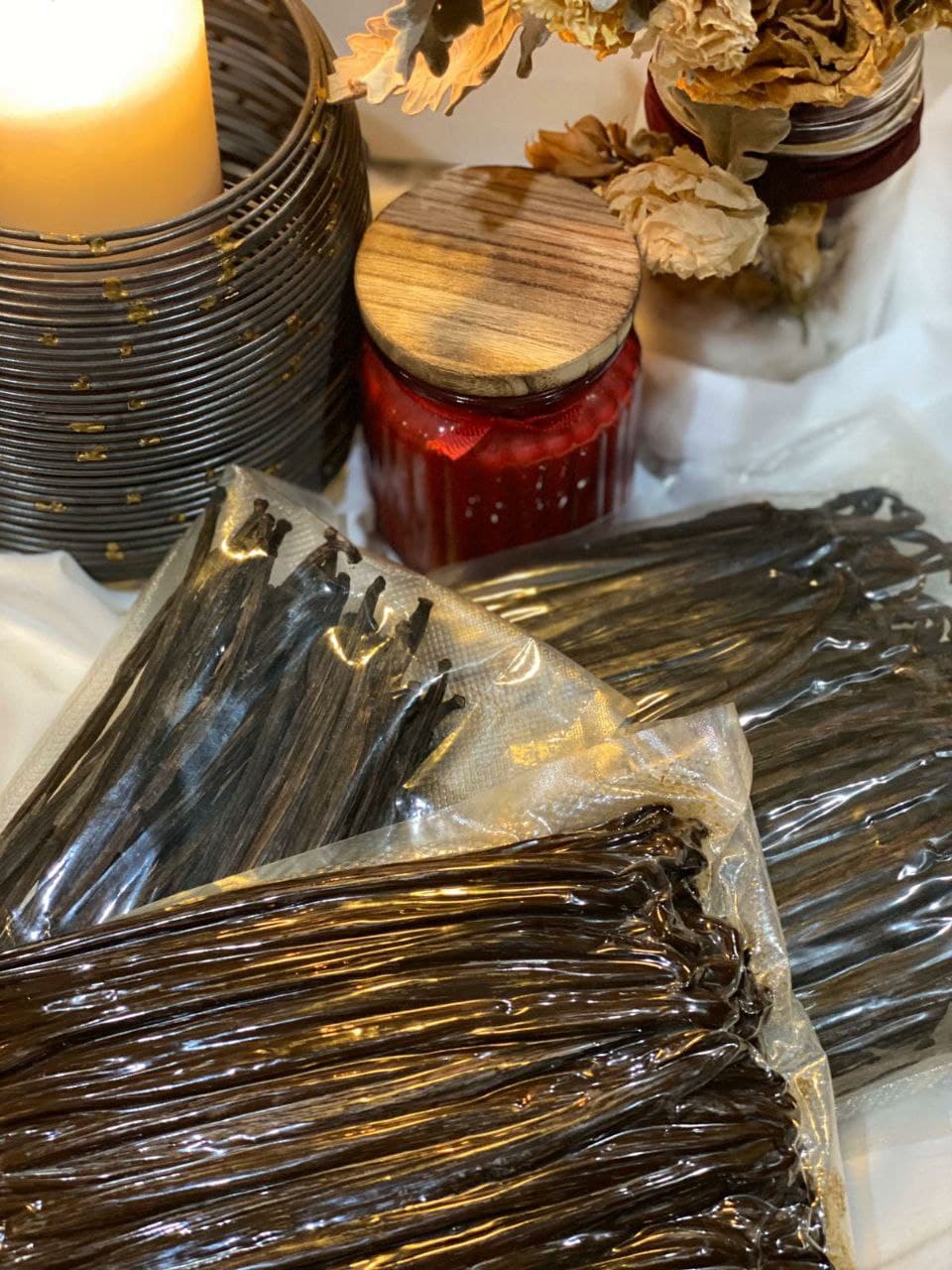
Vanillature Grade A beans hold moisture between 30–35% and vanillin above 2.0%. That moisture level is critical — a dry, brittle bean does not release its compounds into cold liquid efficiently. A supple, oily bean does.
Hot Coffee: Vanilla Paste and Powder Perform Differently
Heat changes the equation. At espresso brewing temperatures — typically 90–96°C — the more volatile aromatic compounds in a raw vanilla bean evaporate before they reach the cup. Vanilla paste and vanilla powder are the better formats for hot coffee applications.
Vanilla paste combines vanilla extract, vanilla seed specks, and a thickening base. Add ¼ teaspoon per double espresso shot before pulling the shot, or stir it directly into a flat white. The seed specks signal authentic vanilla visually, and the concentrated extract delivers immediate flavour impact.
Vanilla powder — ground from dried, cured beans — disperses into milk foam beautifully. Use 0.5 grams per cappuccino. Vanillature’s Sumatra Planifolia powder tests consistently above 2.5% vanillin, compared to an industry average of 1.5–2.0%. That gap in vanillin content is the difference between a coffee that hints at vanilla and one that is genuinely defined by it.
“When I drink coffee with our Tahitian vanilla, I use just a tiny piece of bean — maybe 5 centimetres — in the brew. The floral smell comes up before you even taste it. It is a completely different experience from anything that comes in a bottle.”
— Bu Marlina, vanilla farmer, Papua, 8 years cultivating Tahitian variety
Papua Tahitian for Floral Coffee, Sumatra Planifolia for Espresso
Variety selection matters as much as format selection when adding vanilla to coffee. Papua Tahitian (Vanilla tahitensis) carries 0.5–1.5% vanillin alongside significant heliotropin — a compound that contributes anise-like, cherry-floral notes. This profile pairs directly with light-roast African coffees and delicate pour-overs where fruity acidity is already present.
Sumatra Planifolia (Vanilla planifolia) from our North Sumatra farms at 680 metres above sea level tests above 2.5% vanillin. The flavour is rich, creamy, and deeply woody. It stands up to darker roasts, milk-based espresso drinks, and the bold, low-acid profile of Indonesian and South American coffees.
Using Tahitian vanilla in a dark espresso risks losing its delicate heliotropin notes entirely — the robust coffee overpowers them. Using Planifolia in a floral Ethiopian pour-over creates redundant richness. Match the vanilla variety to the roast and origin of the coffee for the best result.
Vanilla Simple Syrup Made From Real Beans
Vanilla simple syrup made from whole beans is the most versatile coffee addition. Combine 200 ml water, 200 g white sugar, and 1 split Grade A bean in a small saucepan. Simmer on low heat for 8 minutes — never boil. Boiling destroys the aromatic compounds. Remove from heat, steep for 30 minutes, then strain into a glass bottle.
The finished syrup holds for 3 weeks refrigerated. It contains real vanillin extracted under controlled heat, real seed specks, and none of the artificial stabilisers found in commercial syrups. Add 15 ml to an iced latte for a clean vanilla note without any synthetic aftertaste.
After 15 months of production from flower to finished bean, a single pod carries enough flavour to produce 400 ml of syrup. That syrup will flavour approximately 25 individual coffee drinks. At that cost-per-cup ratio, premium real vanilla is more economical than it appears at the counter.
Frequently Asked Questions
Brew Something Worth Tasting
Vanillature Grade A beans from North Sumatra and Papua — harvested, cured, and sorted to the standard your coffee deserves.
Vanillature holds a 5.0 star rating from 174+ verified buyers on eBay, with additional verified ratings on Shopee and TikTok Shop Indonesia — independently confirmed quality across three separate platforms.
