


Vanilla Knowledge
Papua Bourbon Vanilla: The Bean That Bridges Two Flavour Worlds

Jul
Papua Bourbon Vanilla: The Bean That Bridges Two Flavour Worlds
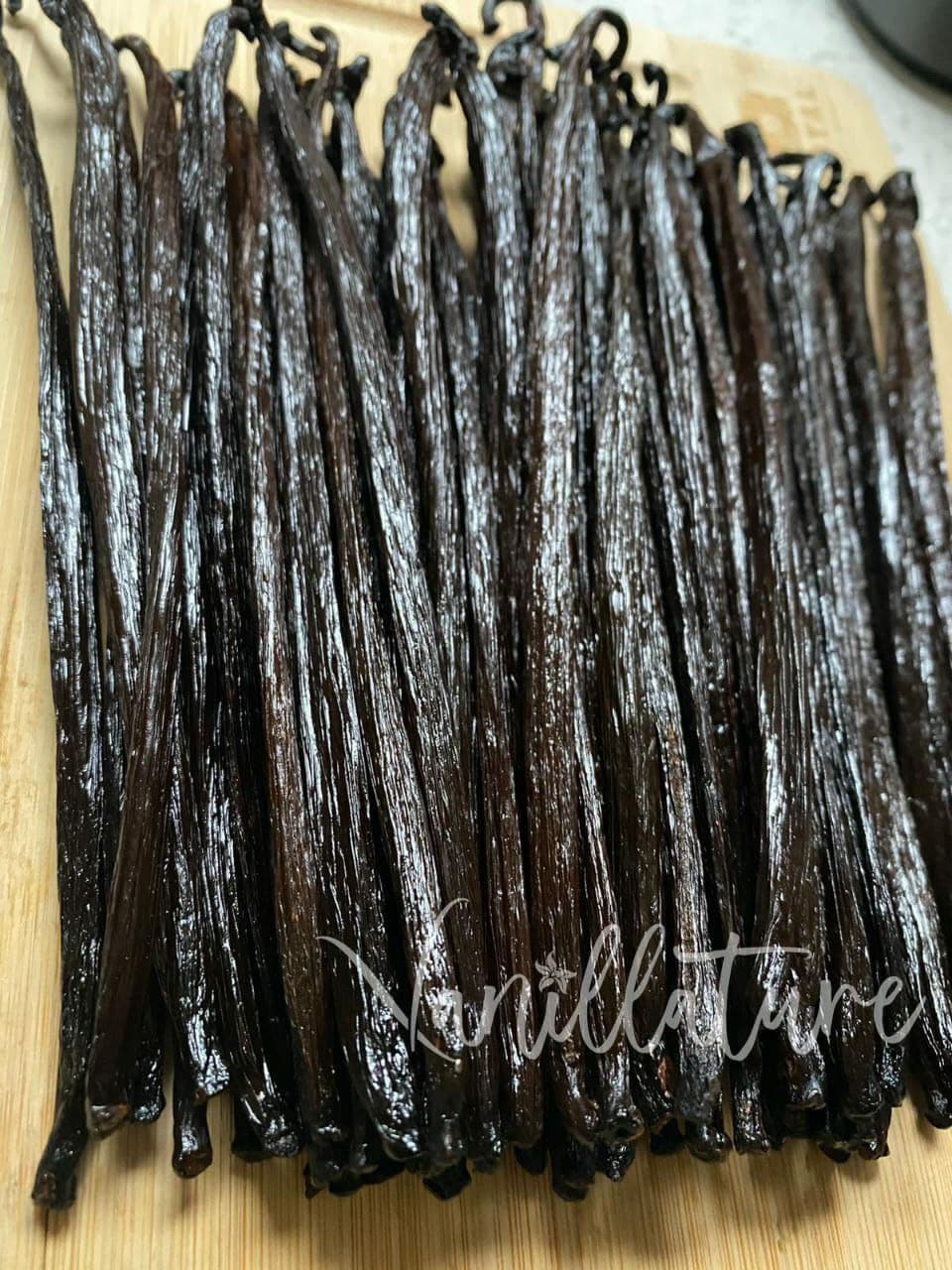
Grown at elevations above 1,200 metres in Papua’s highland rainforests, Papua Bourbon vanilla Indonesia delivers vanillin levels of 2.0–2.5% — sitting precisely between the bold earthiness of North Sumatra Planifolia and the floral lightness of Tahitian vanilla. It is the most versatile bean in professional pastry kitchens today.
Elevation of Papua highland farms
Vanillin content, Papua Bourbon Planifolia
Flower to finished bean — total production time
What “Bourbon” Actually Means — and Why It Matters
The term “Bourbon” refers to a Planifolia cultivar lineage, not a processing style or geographic region. Early French colonists developed this cultivar on Bourbon Island — now Réunion — in the 19th century before it spread eastward through Indonesia’s outer islands.
Papua Bourbon vanilla Indonesia grows as Vanilla planifolia, the same species producing Madagascar and North Sumatra beans. What changes is the expression of that species under specific terroir conditions. At 1,200 metres, temperatures drop 6–8°C below sea-level averages, slowing bean maturation and allowing more complex aromatic precursors to develop over the 9-month vine period (Havkin-Frenkel & Belanger, 2011).
Slower maturation produces an intermediate heliotropin profile. Heliotropin — also called piperonal — is the compound that adds floral, slightly spiced warmth to vanilla’s base vanillin note. Papua Bourbon carries measurably more heliotropin than standard Planifolia, yet measurably less than Tahitian (Vanilla tahitensis). That middle position defines the bean’s culinary versatility.
A Direct Comparison: Three Varieties, Three Flavour Profiles
Professional pastry chefs choose vanilla with the same precision they bring to chocolate percentages. Understanding the 3-way comparison between Planifolia, Tahitian, and Papua Bourbon vanilla Indonesia clarifies exactly where each variety performs best.
| Attribute | Sumatra Planifolia | Papua Bourbon | Tahitian (Papua) |
|---|---|---|---|
| Species | V. planifolia | V. planifolia (Bourbon) | V. tahitensis |
| Vanillin content | 2.5%+ | 2.0–2.5% | Lower — 1.2–1.8% |
| Heliotropin level | Low | Intermediate | High |
| Flavour notes | Deep, smoky, earthy | Warm, rounded, gently floral | Anise, cherry, bright floral |
| Elevation | 680m (North Sumatra) | 1,200m+ (Papua highland) | 600–900m (Papua lowland) |
| Best application | Ice cream, custard, bold bakes | Cheesecake, tarts, spiced pastry | Crème brûlée, seafood, drinks |
Indonesia produces approximately 2,300 tonnes of vanilla annually, ranking second globally after Madagascar (FAO, 2023). Papua contributes a growing share of that output, with highland Bourbon crops commanding premium placement in export markets for their distinctive bridging character.
“The beans from our highland plots take longer to reach full colour — sometimes 10 weeks of curing before the skin shows that deep chocolate-brown. But that extra time is where the softness comes from. Chefs tell me it sits differently on the palate. Not as strong as Sumatra, not as light as Tahitian. It finds the middle.”
— Bu Marlina, vanilla farmer, Papua, 8 years cultivating Tahitian and Bourbon Planifolia varieties
Why Papua’s Highland Terroir Produces This Flavour Bridge
Terroir — the combined effect of soil, altitude, rainfall, and microclimate on a crop’s flavour — produces measurable differences in vanilla even within the same Planifolia species (Havkin-Frenkel & Belanger, 2011). Papua’s highland rainforest delivers 4 specific terroir advantages that no lowland farm can replicate.
First, at 1,200 metres, cool nights slow the vine’s metabolism during the 9-month bean maturation period. This extends the window for aromatic precursor accumulation inside the bean’s cellular structure. Second, Papua’s highland rainfall averages 2,800 mm per year — 40% more than North Sumatra’s farm zones — producing thicker, more moisture-retentive beans with Grade A moisture of 30–35%.
Third, hand-pollination at highland elevations happens within the same strict 6-to-8-hour window each morning, but lower temperatures mean farmers work in cooler, less stressful conditions — reducing mechanical damage to the delicate flowers. Damaged flowers produce beans with inconsistent vanillin distribution across the pod.
Fourth, volcanic highland soils deliver elevated mineral content — particularly calcium and magnesium — that influences enzyme activity during curing. The enzymatic conversion of glucovanillin to vanillin proceeds differently on mineral-rich soils, contributing to Papua Bourbon’s softer, more rounded vanillin profile compared to the sharper intensity of lowland Planifolia.
Three Dishes Where Papua Bourbon Vanilla Indonesia Performs Best
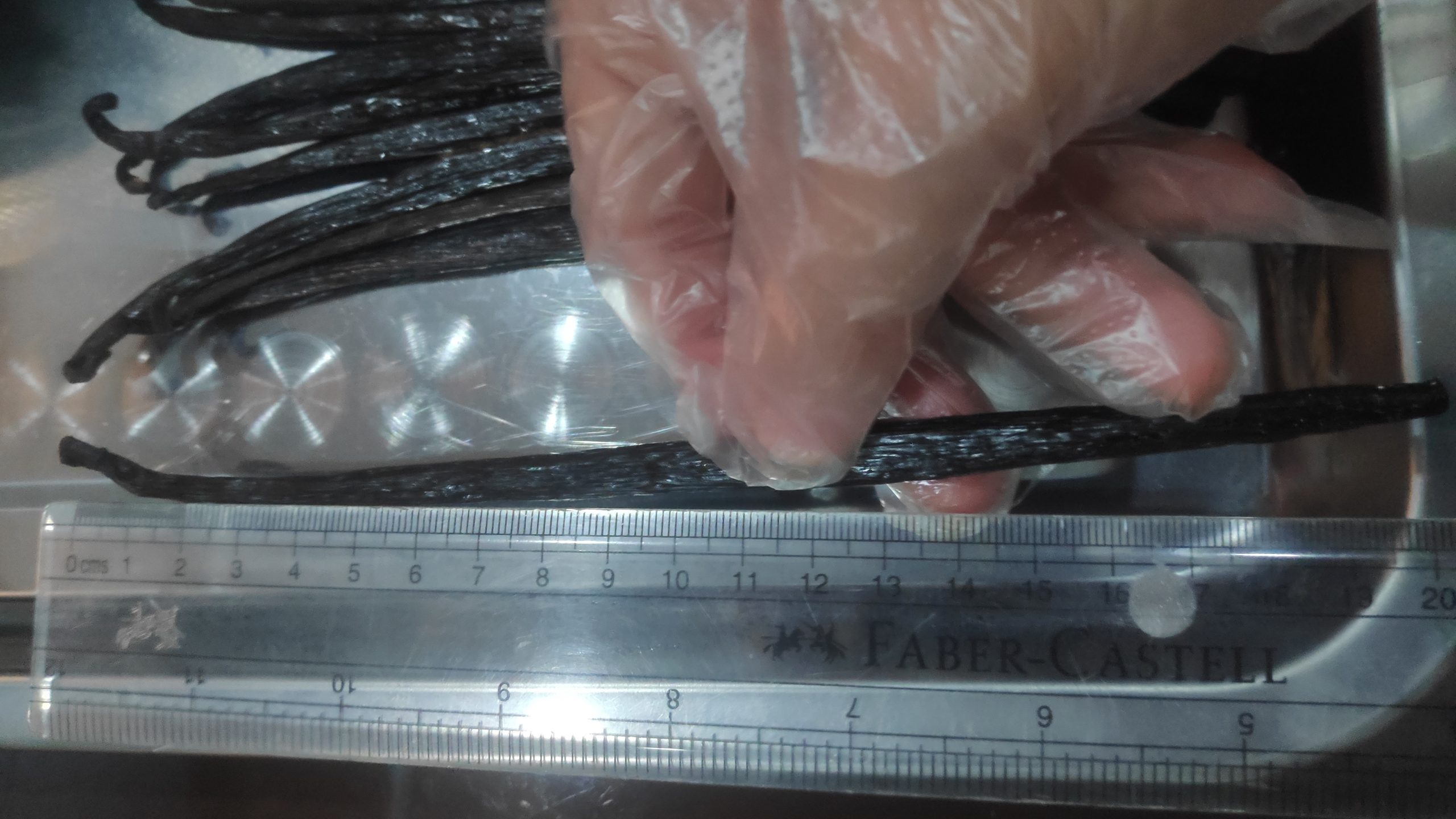
Papua Bourbon’s intermediate flavour profile makes it the correct choice for 3 specific pastry applications where either extreme — bold Planifolia or delicate Tahitian — would tip the balance wrong.
Baked Cheesecake: Cheesecake fat — cream cheese at 30–35% fat content — amplifies bold vanillin. Sumatra Planifolia at 2.5%+ vanillin can read as medicinal when heated inside a dense fat matrix. Papua Bourbon at 2.0–2.5% vanillin delivers full vanilla presence without overpowering the cream cheese’s lactic tang. One 20-cm cheesecake uses 1.5 pods optimally.
Custard Tarts & Pastry Cream: Portuguese-style pastéis de nata reach 250°C oven temperatures. At those temperatures, Tahitian vanilla’s heliotropin compounds volatilise rapidly — you lose the floral note entirely. Papua Bourbon retains 70–80% of its aromatic signature at high heat because its vanillin-to-heliotropin ratio skews toward the more heat-stable vanillin. The result is custard with genuine vanilla depth rather than flat sweetness.
Spiced Pastries: Cinnamon, cardamom, and star anise all compete in the same aromatic register as Tahitian vanilla’s floral heliotropin peak. They clash. Papua Bourbon’s intermediate heliotropin profile sits below the spice register rather than competing with it — the vanilla rounds and deepens the spice blend instead of fighting it. This makes Papua Bourbon vanilla Indonesia the default choice for spiced speculaas, chai-spiced financiers, and cardamom babka.
At Vanillature, we test every batch through a 5-stage quality sorting process before dispatch. Papua Bourbon beans releasing below 2.0% vanillin on HPLC testing are reclassified to Grade B — ensuring every Grade A pod you receive meets the 2.0–2.5% threshold confirmed by our in-house laboratory.
Extracting Maximum Flavour from Papua Bourbon Pods
Papua Bourbon beans reach 30–35% moisture at Grade A standard. Higher moisture means more extractable flavour compounds in infusion applications — but it also means technique matters more than with drier beans.
For custard infusion, split 1 pod per 500 ml of cream and heat to exactly 82°C. Hold at that temperature for 12 minutes before straining. Above 85°C, heliotropin begins to volatilise faster than vanillin — you lose the floral bridge that makes Papua Bourbon distinct. At 82°C you capture both compound groups in full.
For cheesecake batter, scrape seeds from 1.5 pods per 700 g of cream cheese and mix directly into the cold cheese before adding eggs. Cold incorporation distributes vanillin-bearing oil globules evenly through the fat matrix — producing consistent vanilla flavour in every slice rather than uneven hotspots.
Spent pods have a second life. After infusion, rinse, dry for 48 hours, and submerge in 250 ml of 40% ABV vodka with 4 additional whole pods. In 8 weeks you have single-origin Papua Bourbon extract — no artificial compounds, just the full vanillin-heliotropin spectrum from highland Indonesia.
Custard tart infusion — Papua Bourbon pod split and scraped, ready for 82°C cream bath
Frequently Asked Questions — Papua Bourbon Vanilla
Papua Bourbon vanilla is a Vanilla planifolia Bourbon cultivar grown at elevations above 1,200 metres in Papua’s highland rainforests. It tests at 2.0–2.5% vanillin — slightly below North Sumatra Planifolia’s 2.5%+ — and carries an intermediate heliotropin (piperonal) level that adds gentle floral warmth absent from standard Planifolia. The result is a softer, more rounded bean suited to cheesecake, custard tarts, and spiced pastries where bold earthiness would overpower the dish.
No — they are different species. Tahitian vanilla is Vanilla tahitensis, carrying high heliotropin and typically 1.2–1.8% vanillin. Papua Bourbon is Vanilla planifolia (Bourbon cultivar) with 2.0–2.5% vanillin and an intermediate heliotropin level. Papua Bourbon sits between the two varieties in both vanillin intensity and floral character, making it more versatile across baked applications where Tahitian’s dominant floral note can volatilise at oven temperatures above 200°C.
At 1,200 metres, cooler temperatures slow bean maturation across the full 9-month vine period. This extended development window increases accumulation of aromatic precursor compounds inside each pod. Research on regional terroir variation in Vanilla planifolia confirms that altitude-driven temperature differentials measurably alter the vanillin-to-heliotropin ratio in finished beans (Havkin-Frenkel & Belanger, 2011). Highland Papua’s annual rainfall of approximately 2,800 mm also produces beans with consistently higher moisture — reaching the 30–35% Grade A threshold that maximises infusion extraction yield.
Papua Bourbon vanilla Indonesia performs best in 3 specific applications: baked cheesecake (where its 2.0–2.5% vanillin delivers full vanilla presence without overpowering cream cheese fat), custard tarts baked at high heat (where its vanillin-dominant profile retains 70–80% aromatic integrity above 200°C), and spiced pastries containing cinnamon, cardamom, or star anise (where its intermediate heliotropin sits below the spice register rather than clashing with it). It is the pastry chef’s default bridge bean when neither bold Planifolia nor delicate Tahitian is the right fit.
Experience Papua Bourbon Vanilla Directly
Every Vanillature Papua Bourbon bean passes our 5-stage quality sort and tests at 2.0–2.5% vanillin before dispatch. Sourced directly from highland Papua farmers — no middlemen, no compromise.
