


Vanilla Knowledge
The Best Vanilla Ice Cream Recipe (Using Indonesian Bourbon Planifolia Beans)
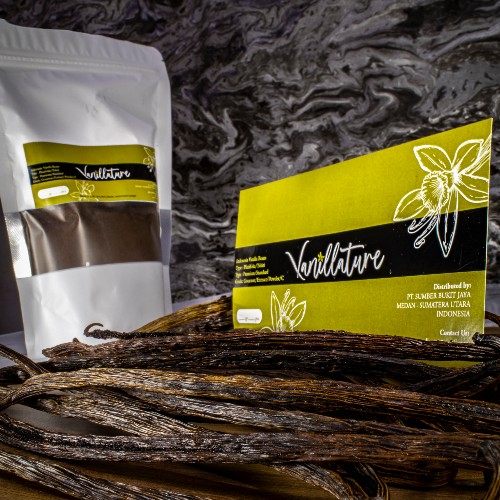
Jul
The Best Vanilla Ice Cream Recipe Using Indonesian Bourbon Planifolia Beans
Two whole Sumatra Bourbon Planifolia beans steeped into 500 ml of warm cream — that single ratio unlocks more flavour than an entire bottle of supermarket extract. The best vanilla ice cream recipe built on real vanilla beans starts here, and the chemistry explains exactly why.
Sumatra Planifolia beans from Vanillature test above 2.5% vanillin — against an industry average of 1.5–2.0% (Dunphy et al., 2020, Food Chemistry). That higher vanillin concentration means every spoonful of ice cream carries a deeper, more complex flavour: warm wood, caramel, and a floral back-note that extract simply cannot recreate.
This guide walks through the full custard method, the science of infusion temperature, and the practical details that separate a good vanilla ice cream from an exceptional one.
Why Whole Vanilla Beans Beat Extract Every Time
Vanilla extract contains vanillin as its primary flavour compound — but it contains little else. A whole Grade A Planifolia bean holds more than 250 flavour compounds, including heliotropin, anisyl alcohol, and 4-hydroxybenzaldehyde (Bythrow, 2005, Journal of Food Chemistry). Together they create a flavour profile that extract cannot approximate.
Vanillature Grade A beans carry a moisture content of 30–35% and vanillin above 2.0%. That moisture is essential: it keeps the bean’s aromatic compounds in a form the cream can absorb during infusion. A dried-out bean with under 15% moisture releases fraction of the flavour a Grade A bean does.
For the best vanilla ice cream recipe using vanilla beans, this distinction is the single most important ingredient decision you will make.
The Right Bean Quantity: 2 Beans per 500 ml
Use 2 whole Grade A Planifolia beans per 500 ml of full-fat cream. This is not approximate — it is a tested ratio. At Vanillature, we calibrate this quantity against our beans’ vanillin concentration of 2.5%+. A weaker bean requires more; our beans deliver full flavour at this exact measure.
Split each bean lengthways and scrape every seed into the cream. Drop the scraped pod in as well. The pod wall holds trapped aromatic compounds that release over the infusion period — discarding it wastes up to 30% of the available flavour.
This seed-plus-pod method is standard in professional pastry kitchens and supported by the infusion research of Havkin-Frenkel & Belanger (2011), who documented that pod-wall compounds contribute measurably to the finished flavour profile of vanilla-infused dairy products.
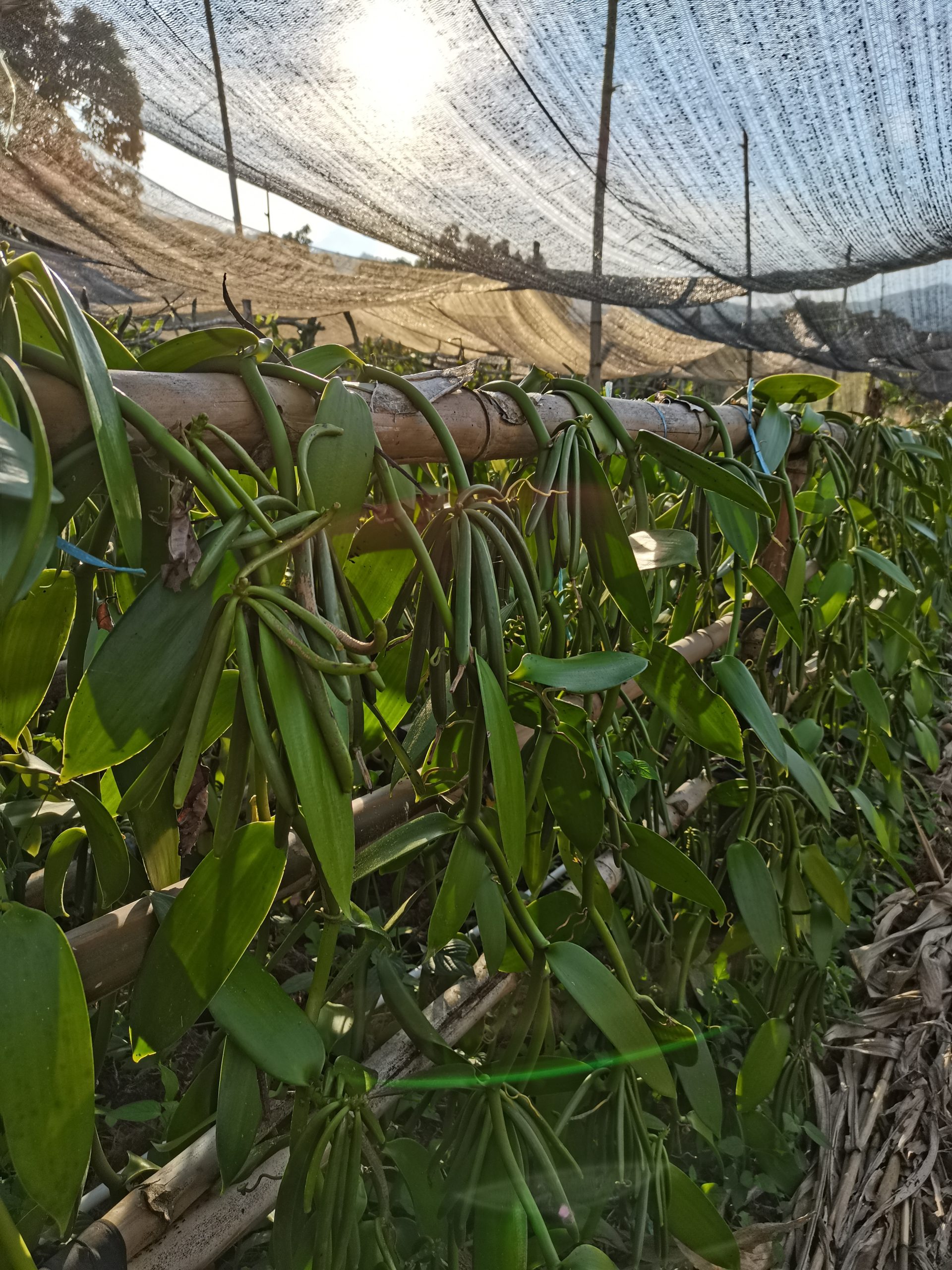
“When I split a bean for cooking, I always tell people: the pod is not rubbish. I hand-pollinate each flower in a 6-hour window every morning, and the flavour builds in the whole bean for 9 months. Do not throw away half of what you grew.”
— Pak Budi, vanilla farmer, North Sumatra, 14 years cultivating Planifolia
The Custard Method: Step-by-Step for Real Vanilla Ice Cream
A cooked custard base — crème anglaise style — extracts far more flavour than a no-churn cold blend. Heat drives the aromatic compounds out of the bean and into the fat molecules of the cream, where they stay suspended through freezing.
500 ml full-fat cream · 250 ml whole milk · 2 Vanillature Grade A Planifolia beans · 6 large egg yolks · 130 g caster sugar · Pinch of fine sea salt
- Split and scrape both beans. Cut each of your 2 beans lengthways. Scrape seeds into the cream. Add both pods to the pan with the milk.
- Heat to 65–70°C — not higher. Bring the cream and milk to this temperature over a medium flame. Use a thermometer. Above 70°C, the most volatile aromatic esters begin to degrade (Havkin-Frenkel & Belanger, 2011). Never boil the cream.
- Steep for 30 minutes minimum. Remove from heat. Cover and allow to infuse for at least 30 minutes. A 60-minute steep deepens the flavour further — the cream will turn a visible ivory-gold from vanillin absorption.
- Whisk yolks and sugar to ribbon stage. Beat 6 yolks with 130 g sugar until pale and thick — approximately 3–4 minutes by hand or 90 seconds with a mixer.
- Temper the custard. Remove the pods. Slowly pour the warm infused cream into the yolk mixture, whisking constantly. Return the full mixture to the pan.
- Cook to 82°C. Stir over low heat until the custard coats a spoon cleanly. This takes approximately 8–10 minutes. Do not let it boil.
- Chill completely — minimum 4 hours. Strain into a clean bowl over ice. Refrigerate until the base reaches 4°C or below before churning. A fully chilled base churns faster and produces a smoother texture.
- Churn and freeze. Churn in an ice cream machine per the manufacturer’s instruction — typically 20–25 minutes to soft-serve consistency. Transfer to a container and freeze for at least 2 hours before serving.
Custard base at 65–70°C infusion temperature — vanilla seeds visible in cream
What to Expect: Sensory Profile of the Finished Ice Cream
The first thing you notice is colour. This ice cream is not white — it is ivory with visible black seeds throughout. Those seeds signal genuine vanillin concentration, not colouring or imitation flavour.
On the palate, the initial note is warm and woody: deep vanilla without the synthetic sharpness of extract. The Sumatra terroir — farms at 680 metres above sea level in North Sumatra — contributes a slight earthiness that rounds out the sweetness. The finish is long, with a faint floral note characteristic of Bourbon Planifolia from this elevation.
The texture, from a proper custard base, is dense and scoopable rather than icy. Fat from 500 ml of full-fat cream coats the palate and carries the flavour for several seconds after each spoonful. This is what separates a real vanilla ice cream recipe using vanilla beans from a mix.
Choosing the Right Bean: Why Grade Matters for Ice Cream
Not all vanilla beans perform equally in a custard. Vanillature grades every batch through a 5-stage quality sorting process. Grade A beans — the correct choice for this recipe — carry 30–35% moisture and vanillin above 2.0%. Lower-grade beans with moisture below 15% release less aromatic compound during infusion and produce a noticeably thinner flavour.
Indonesia produces approximately 2,300 tonnes of vanilla annually, making it the world’s second-largest producer after Madagascar (FAO). Within that volume, quality varies enormously. Vanillature sources directly from 500+ smallholder farmers across North Sumatra and Papua, with every batch tested before dispatch.
For the best vanilla ice cream recipe using vanilla beans, Grade A is non-negotiable. The moisture, the vanillin level, and the bean’s suppleness all affect how completely it releases into your cream during those 30+ minutes of infusion.
Grade A Vanillature Planifolia bean — 30–35% moisture, plump, aromatic, hand-sorted
Frequently Asked Questions
