


Vanilla Knowledge
Vanilla Bean Shortbread: The Recipe That Lets the Vanilla Speak
Jul
Recipe & Technique · July 9, 2026
Vanilla Bean Shortbread: The Recipe That Lets the Vanilla Speak
Shortbread is a four-ingredient recipe. That simplicity is exactly why vanilla quality decides everything. Use a Sumatra Bourbon Planifolia Grade A bean — testing above 2.5% vanillin — and every bite registers the difference.
Why a Four-Ingredient Recipe Exposes Every Vanilla
Classic shortbread contains butter, icing sugar, flour, and vanilla. That is it. No eggs, no leavening, no spices to mask off-notes. Every flavour compound in the dough comes directly from those 4 ingredients — so the vanilla carries roughly 70% of the aroma work.
A low-grade extract or an immature bean delivers a thin, single-dimensional sweetness. A Grade A Sumatra Planifolia bean, carrying vanillin above 2.5% alongside over 200 supporting aromatic compounds, delivers warmth, depth, and a faint floral finish that lingers for seconds after the shortbread dissolves.
This is the reason professional pastry chefs specify origin beans for shortbread and custard above all other applications. There is simply no place for the vanilla to hide — and no place for it to shine as brightly either.
Understanding the Bean Before You Touch the Butter
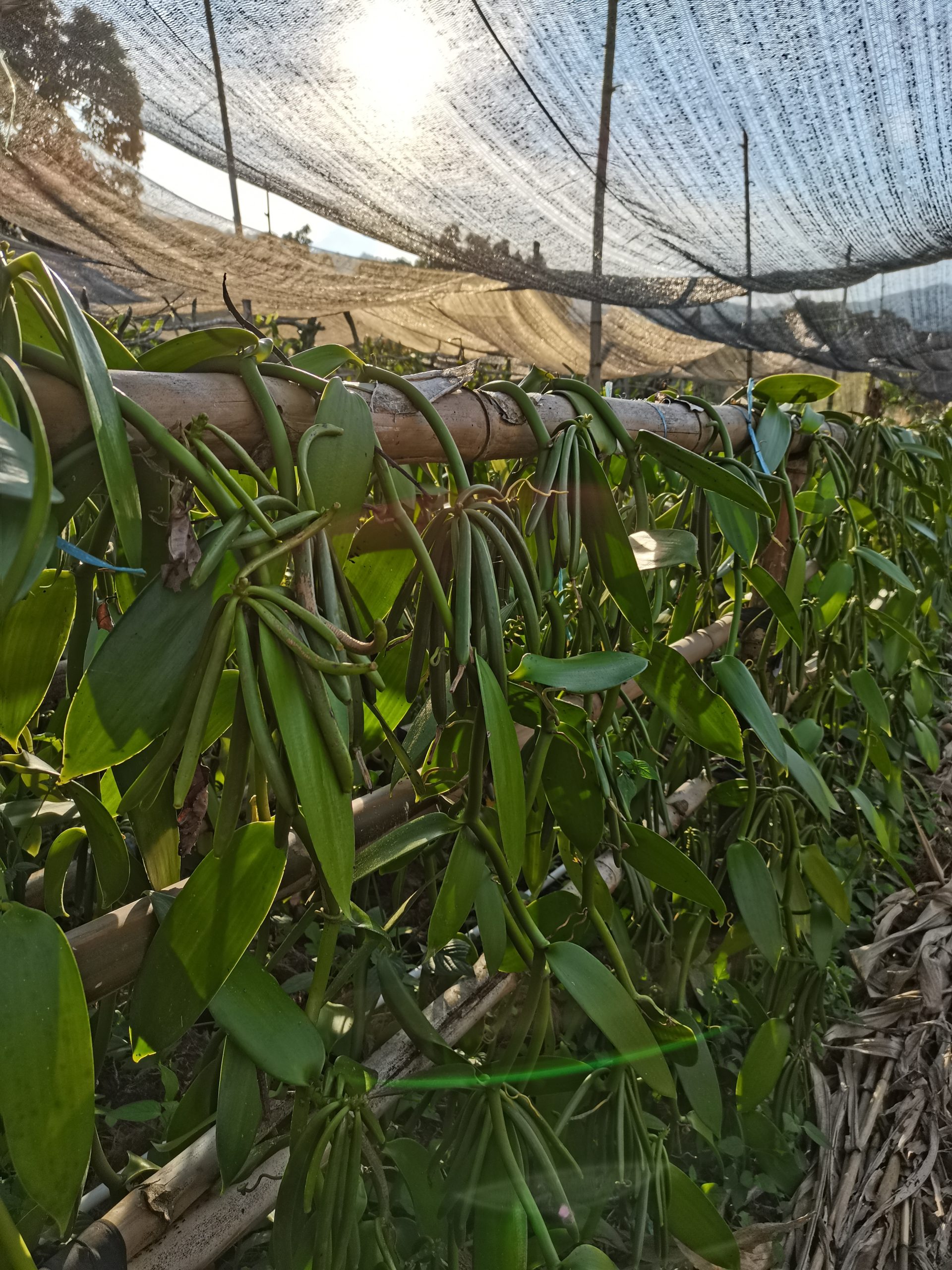
Vanillature Grade A Sumatra Planifolia beans carry a moisture content of 30–35% and vanillin above 2.0% by specification — with most batches testing above 2.5%. That moisture is why they feel plump and supple, not brittle and dry.
The pod spends 9 months maturing on the vine and a further 3–6 months in traditional sun curing. That 15-month production cycle concentrates glucovanillin deep in the bean’s tissues. When you split the pod and scrape the caviar, you release cells packed with aromatic potential.
Each bean also undergoes Vanillature’s 5-stage quality sorting before it ships. By the time it reaches your kitchen, it represents a small fraction of the original harvest — only the pods that passed every dimension, moisture, and visual inspection.
“When I cure beans slowly over 3 months, I am building the flavour that ends up in someone’s kitchen. A shortbread, a custard, a cake — it does not matter. If the curing is rushed, the cook feels it. The vanilla tastes flat. I take my time because the cook deserves the real thing.”
— Bu Sari, vanilla farmer, Deli Serdang, North Sumatra, 11 years cultivating Bourbon Planifolia
The Vanilla Bean Shortbread Recipe
This vanilla bean shortbread recipe uses 1 Grade A bean per 250g of butter. That ratio allows the caviar specks to distribute evenly through every slice while keeping the dough workable. Use unsalted, high-fat butter — above 82% fat content — for the cleanest result.
Vanillature Vanilla Bean Shortbread
Ingredients
- 250g unsalted butter (82%+ fat), softened to room temperature
- 90g icing sugar, sifted
- 300g plain flour, plus extra for dusting
- 1 Grade A Vanillature Sumatra Planifolia bean, split and scraped
Method
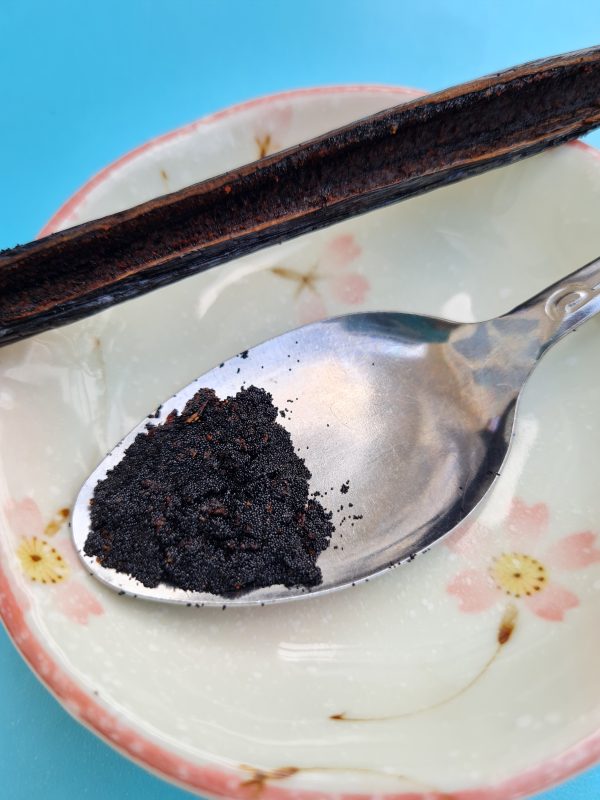
- Infuse the butter. Beat softened butter for 2 minutes until pale. Add all scraped caviar directly to the butter. Beat for a further 1 minute — you will see the black specks distribute through the pale yellow fat.
- Add sugar. Sift in the icing sugar. Beat on low for 30 seconds, then medium for 1 minute until just combined. Do not over-beat at this stage.
- Add flour. Fold in the flour by hand with a spatula. Stop as soon as no dry flour remains. The dough will be soft and slightly sticky.
- Chill. Shape into a 5cm-diameter log. Wrap in cling film. Refrigerate for 30 minutes minimum — this firms the fat and prevents spread.
- Slice and bake. Preheat oven to 150°C (fan 140°C). Slice the log into rounds 8mm thick. Place on lined trays with 3cm spacing. Bake for 20–25 minutes until the edges show the faintest gold and the centre remains pale.
- Cool. Leave on the tray for 10 minutes before moving — shortbread is fragile at baking temperature and firms as the butter fat re-sets.
Baker’s Notes
Do not exceed 150°C — higher heat volatilises the lighter aromatic esters in vanillin before they reach your palate.
Waste nothing — push the spent pod into a jar of caster sugar for vanilla sugar in 7 days.
Texture check — correct shortbread snaps clean; it does not bend.
What You Actually See, Smell, and Taste
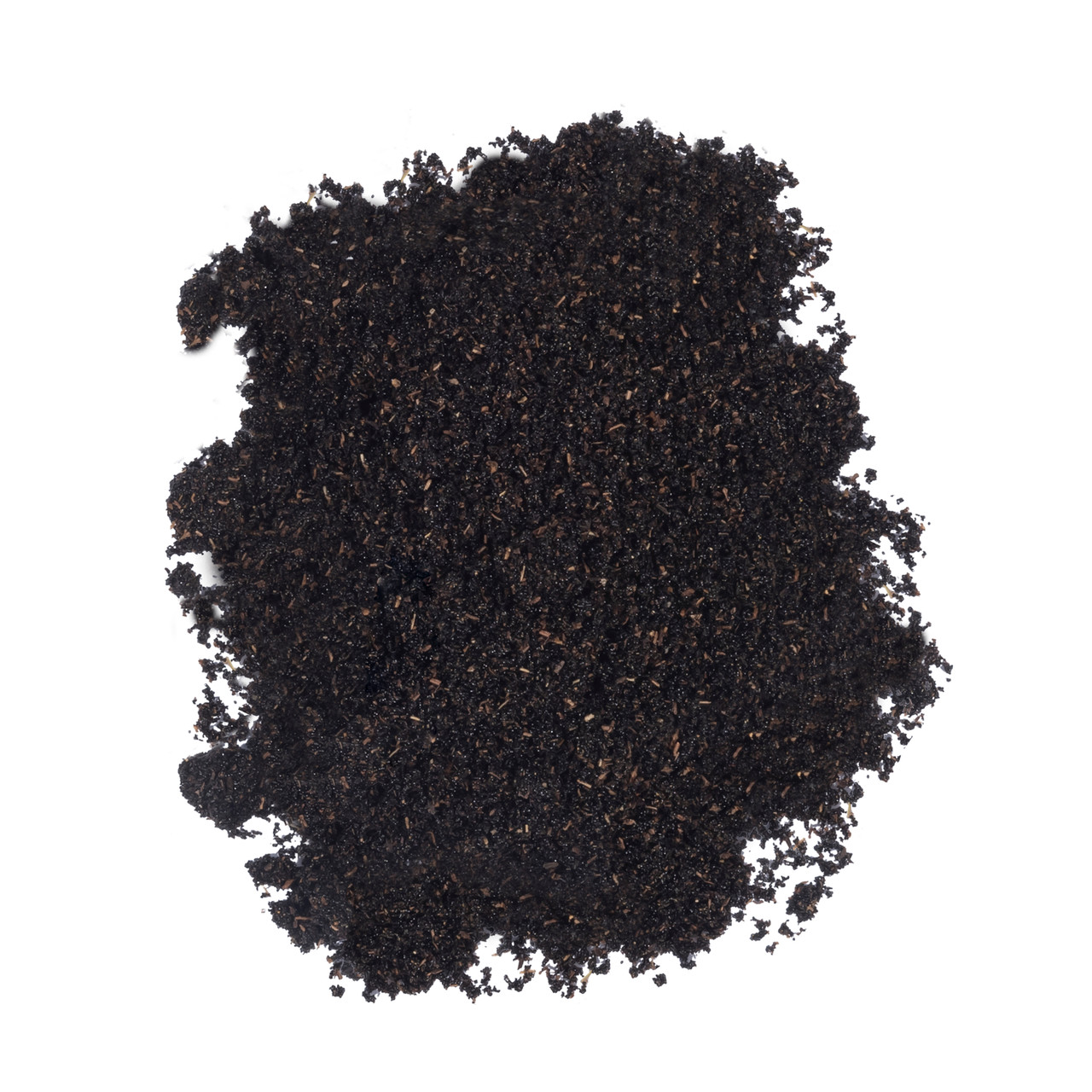
Cut the chilled log and look at the cross-section. At 2.5%+ vanillin concentration, the caviar is dense enough that each 8mm slice shows dozens of visible black specks suspended in pale dough. This is the visual signal that tells anyone looking at the shortbread exactly what went into it.
At 150°C, the oven temperature is low enough to warm the vanillin compounds without burning them. After 20 minutes, the kitchen smells of warm butter and something deeper — a woody, almost leathery warmth that pure extract rarely delivers. That character comes from heliotropin and piperonal, two secondary compounds present in whole-bean caviar but absent from most commercial extracts.
The flavour on the palate is layered across 3 distinct phases. First, the clean richness of 82%+ fat butter. Second, the immediate vanilla warmth — sweet but not sugary. Third, a lingering floral note that sits on the back of the tongue for 8–12 seconds after the shortbread has dissolved. That finish is the signature of a properly cured, high-vanillin Planifolia bean.
Making the Result Photographable
The vanilla bean shortbread recipe above produces a naturally beautiful result — but 3 small finishing steps elevate the visual before the camera comes out.
First, press a half-split vanilla pod section flat against the top of 4 or 5 rounds before baking. It toasts gently at 150°C and imprints a dark linear mark against the pale surface. Second, dust with icing sugar the moment the shortbread comes out of the oven — not after cooling. The residual heat partially melts then re-sets the sugar into a delicate crust. Third, shoot within 90 minutes of baking, before the outer surface develops any moisture sheen from humidity.
Stack 3 rounds slightly offset on a linen cloth against a warm timber board. Natural light from the left creates the shadows that reveal the speck texture. The result is a shortbread that communicates quality visually before anyone reads a word.
Vanilla Bean Shortbread: Frequently Asked Questions
One Bean. Four Ingredients. The Difference Is Visible.
Vanillature Grade A Sumatra Planifolia beans carry 2.5%+ vanillin, hand-pollinated within a 6–8 hour window each morning and cured for 3–6 months by 500+ smallholder farmers across North Sumatra. Every batch passes our 5-stage quality sort before it ships.
