


Vanilla Knowledge
Real Vanilla vs Artificial Vanilla: A Complete Honest Comparison
Jul
Real Vanilla vs Artificial Vanilla: A Complete Honest Comparison
Artificial vanilla costs roughly $0.02 per teaspoon. Real vanilla extract costs around $0.50 per teaspoon — 25 times more. That price gap is real. But the comparison between real vanilla vs artificial vanilla does not start and end with cost.
The Chemistry: 250 Compounds vs 1
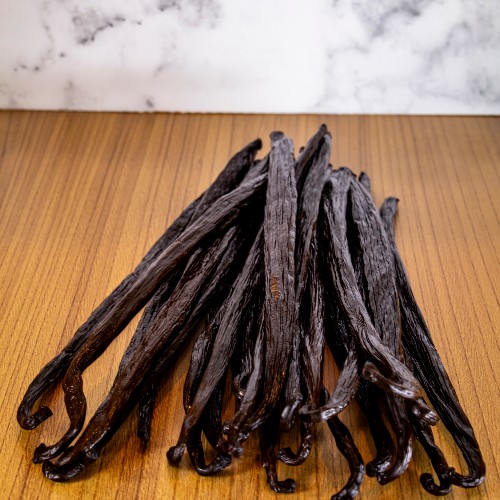
Real vanilla bean extract contains over 250 identified flavour compounds. These include vanillin, heliotropin, guaiacol, and dozens of aldehydes, esters, and phenols that interact to create depth and warmth (Bythrow, 2005, Journal of Food Chemistry).
Artificial vanilla — sold as vanillin or imitation vanilla — contains exactly 1 synthesised compound: vanillin. That single molecule delivers the primary vanilla note. It does not replicate the full aromatic architecture of the real bean.
Vanillature’s Sumatra Planifolia beans test above 2.5% vanillin — against an industry average of 1.5–2.0%. The Crystal Vanilla grade reaches 3.5–4% vanillin as surface crystals. Even so, vanillin content is only one variable in a 250-compound flavour profile.
Performance in Cooking: Where Each Wins
In high-heat baking above 180°C, some volatile compounds in real vanilla dissipate. Artificial vanillin is more heat-stable in these conditions. For a large-batch chocolate chip cookie, the difference is minimal.
In cold, uncooked, or lightly heated applications — vanilla custard, ice cream, panna cotta, pastry cream — real vanilla delivers a layered flavour that artificial vanillin cannot match. The 250+ compounds in real vanilla develop slowly under low heat, building complexity that holds through cooling.
In any recipe where vanilla is the headline flavour — a vanilla bean cake, crème brûlée, or Madagascan-style pot de crème — real vanilla is irreplaceable. Artificial vanillin tastes one-dimensional alongside it.
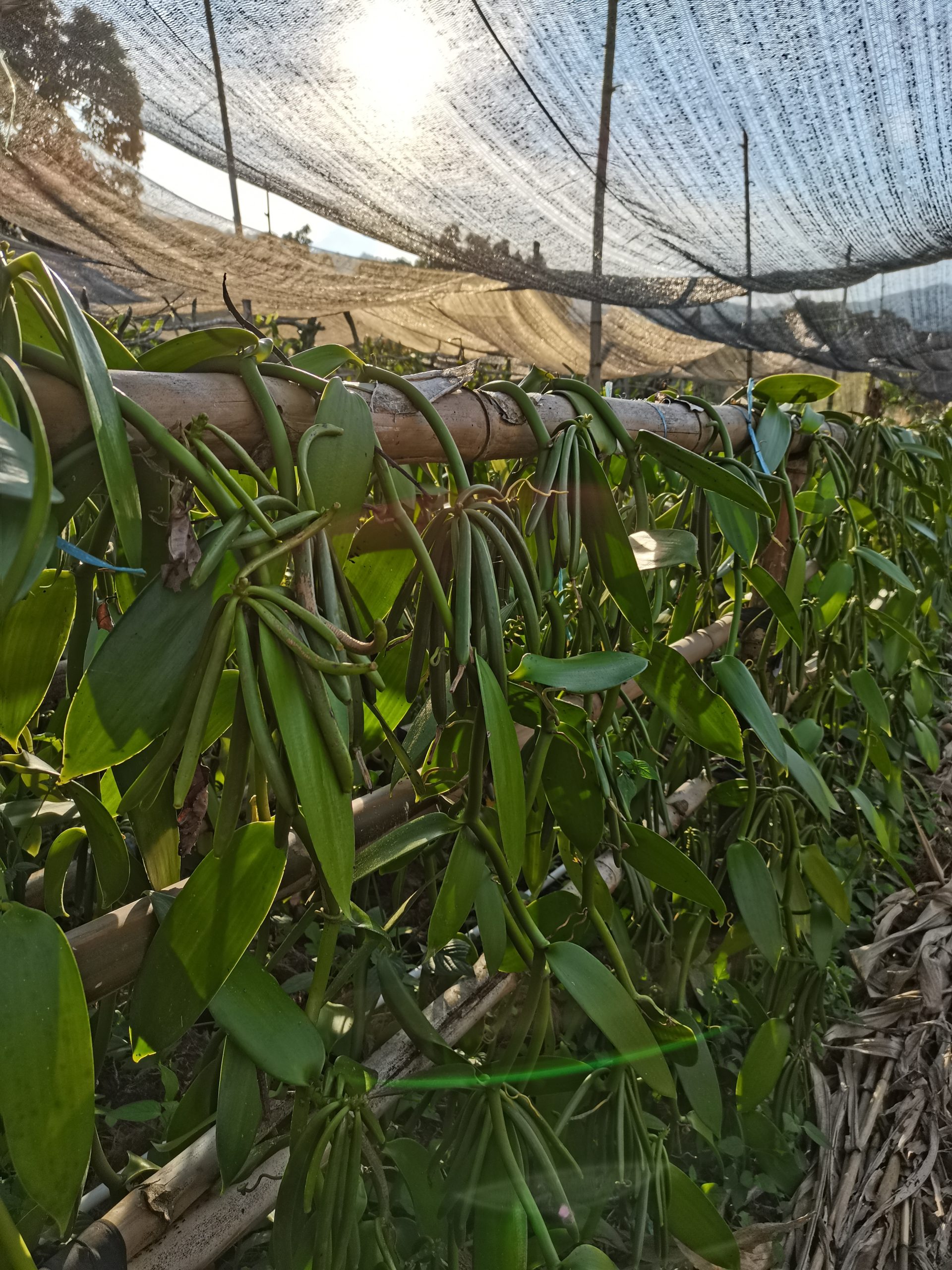
“When I hand-pollinate each flower during its 6-8 hour window, I know that bean will spend 9 months on the vine. You cannot rush that flavour. Artificial vanilla has no memory of a plant.”
— Pak Budi, vanilla farmer, North Sumatra, 14 years cultivating Planifolia
Price Per Use: An Honest Calculation
Artificial vanilla costs approximately $0.02 per teaspoon. A 100ml bottle of quality real vanilla extract costs around $12–15, putting it near $0.50 per teaspoon. That is a 25x price premium for everyday use.
One whole vanilla bean costs $1.50–3.00 at wholesale quality. A single bean flavours 500ml of custard or 1 litre of ice cream base. Split across servings, the cost per portion drops to under $0.30 — close to real vanilla extract per use.
The 15-month production timeline from flower to finished bean explains the price. Flowers open for only 6–8 hours per day. Each must be hand-pollinated individually. Beans then cure for 3–6 months using traditional sun-curing methods. No shortcut exists in that biology.
| Factor | Real Vanilla | Artificial Vanilla |
|---|---|---|
| Flavour compounds | 250+ | 1 (vanillin only) |
| Cost per teaspoon | ~$0.50 | ~$0.02 |
| Performance in cold desserts | Superior depth | Flat, single-note |
| Performance in high-heat baking | Good | Comparable |
| Production time | 15 months | Industrial synthesis (hours) |
| Environmental footprint | Agroforestry, biodiversity | Petrochemical or wood pulp derived |
Health Considerations: What the Research Shows
Pure vanillin — whether extracted from beans or synthesised — carries no known health risks at normal food quantities. Both forms are classified GRAS (Generally Recognised As Safe) by food regulatory bodies in most jurisdictions.
Real vanilla extract contains trace phenolic antioxidants from its 250+ compound matrix. Research into specific bioactive properties of these minor compounds is ongoing. No authoritative health claim distinguishes real from artificial vanilla for typical dietary consumption.
The practical difference concerns additives. Cheap imitation vanilla sometimes contains coumarin (derived from tonka bean), which is restricted above certain concentrations in several markets. Always check the ingredient list on imitation products. Pure real vanilla extract contains no such additives.
Environmental Impact: Two Very Different Supply Chains
Indonesia produces approximately 2,300 tonnes of vanilla annually, making it the second-largest producer globally after Madagascar (FAO). This production supports smallholder farming communities — Vanillature works directly with 500+ smallholder farmers across North Sumatra and Papua.
Vanilla Planifolia grows in agroforestry systems alongside shade trees, supporting soil health and local biodiversity. Farms in North Sumatra sit at 680 metres above sea level, where forest proximity and rainfall patterns contribute to bean quality and ecosystem function.
Artificial vanillin is synthesised from guaiacol (a petrochemical derivative), lignin (wood pulp from paper manufacturing), or ferulic acid. Each pathway requires industrial chemistry. The supply chain contains no farmers, no forest, and no soil.
For buyers who weight supply chain ethics alongside flavour, the real vanilla vs artificial vanilla decision is not a close one.
The Honest Verdict: When to Use Each
Use artificial vanilla for high-volume, high-heat applications — large batches of cookies, muffins, or bread — where vanilla is a background note and cost controls matter. At $0.02 per teaspoon, it performs adequately in these contexts.
Use real vanilla for any application where vanilla is the centrepiece. Ice cream, crème brûlée, vanilla shortbread, pastry cream, and hand-decorated cakes all showcase the 250+ compound complexity that artificial vanillin cannot replicate. The flavour difference is tasted immediately.
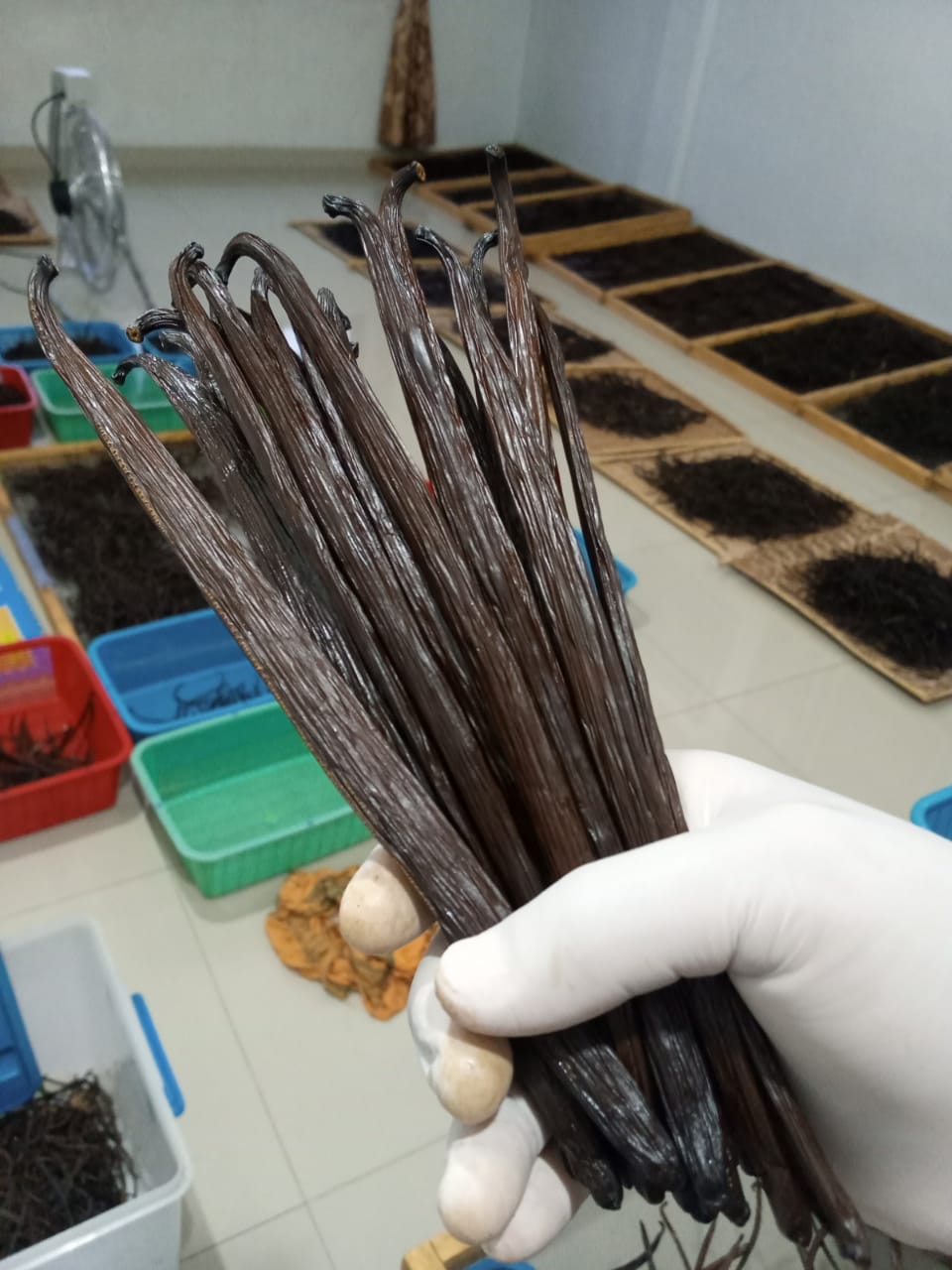
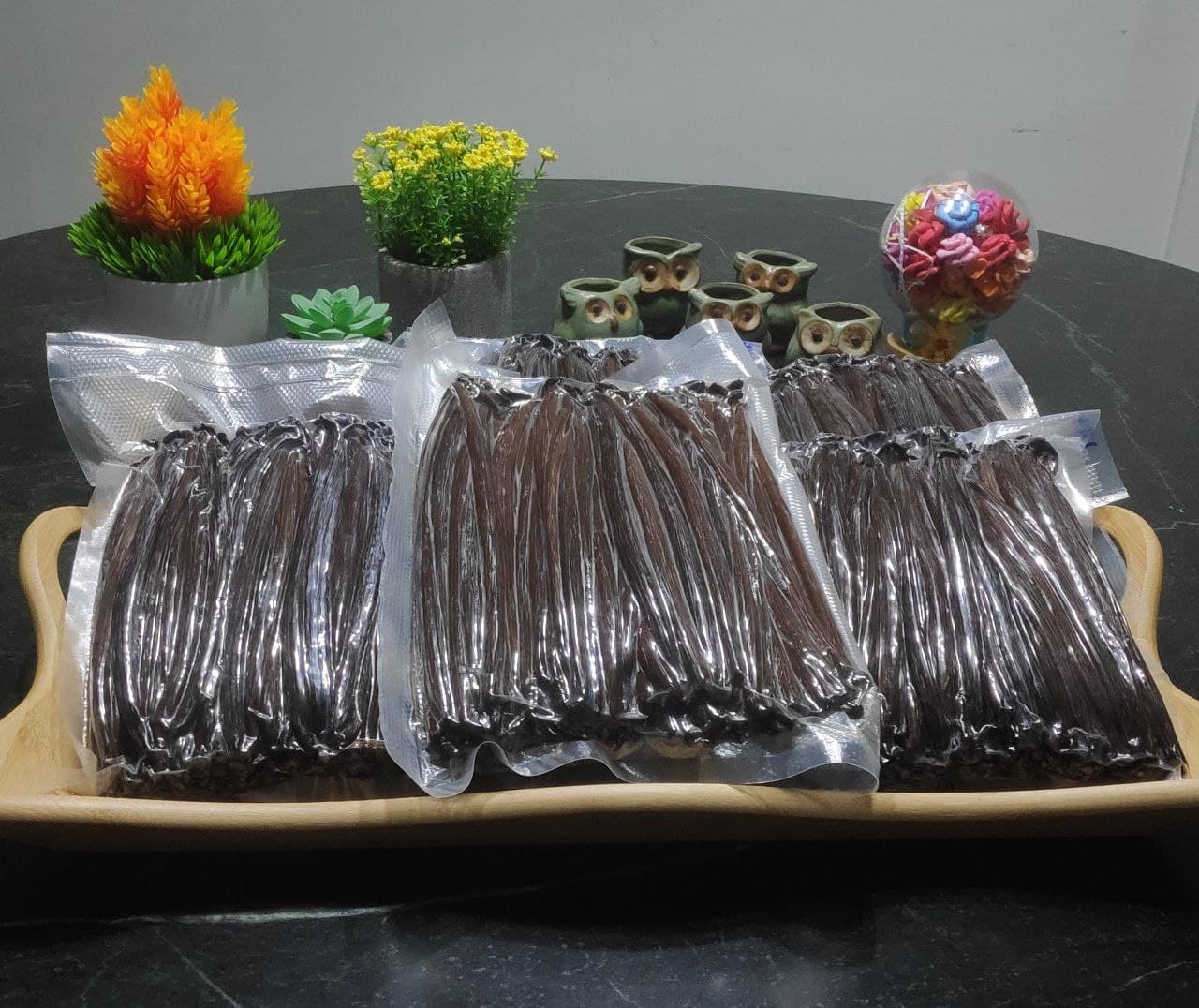
Vanillature passes every batch through a 5-stage quality sorting process. Grade A beans hold 30–35% moisture and vanillin above 2.0%. These beans perform in the kitchen exactly as the biology on the farm intended.
Frequently Asked Questions
Taste What 250+ Compounds Actually Mean
Vanillature Sumatra Planifolia beans test above 2.5% vanillin — against an industry average of 1.5–2.0%. Sourced directly from 500+ smallholder farmers and sorted through a 5-stage quality process.
Vanillature holds a 5.0 star rating from 174+ verified buyers on eBay, with additional verified ratings on Shopee and TikTok Shop Indonesia — independently confirmed quality across three separate platforms.
Vanillature (PT. Sumber Bukit Jaya) — Jl. Prof. H.M. Yamin SH No. 224M, Medan, North Sumatra 20234, Indonesia — +62 878-6986-1288
