


Vanilla Knowledge
10 Vanilla Myths Debunked by an Indonesian Vanilla Producer

Jul
Most people believe vanilla is Mexican, that black specks mean something went wrong, and that clear extract is somehow purer. These vanilla myths facts get repeated so often they feel like common knowledge — yet Indonesia and Madagascar together supply more than 85% of the world’s vanilla today, the specks are the best part, and clear extract contains no real vanilla at all. Here are 10 things most people believe about vanilla that are simply not true.
Global vanilla supplied by Indonesia & Madagascar combined (FAO, 2023)
Distinct aroma compounds in a single real vanilla bean
Vanillin in Vanillature Sumatra Planifolia — survives baking at 180°C and above
Myth 1 & 2: Vanilla Is Mexican — and Rare Everywhere
Real vanilla only comes from Mexico, where it was “discovered.”
Mexico produces fewer than 200 tonnes annually. Indonesia and Madagascar together account for more than 85% of global supply — roughly 2,300 tonnes from Indonesia alone each year (FAO Crop Statistics, 2023).
Vanilla is native to Mexico, and the Totonac people were the first to cultivate it. But today, the crop grows most productively in equatorial climates. Indonesian Planifolia beans — grown at 680 metres above sea level in North Sumatra — consistently test above 2.5% vanillin, exceeding the industry average of 1.5–2.0%.
Vanilla is so rare that only a few kilograms are produced globally.
Global production sits at approximately 8,000–10,000 tonnes annually. Price spikes happen due to weather and speculation — not scarcity of the plant itself.
Myth 3 & 4: Black Specks Are Impurities — and Clear Vanilla Is Better
Those tiny black specks in vanilla products are dirt or contamination.
Each speck is a seed from inside the pod. A single Grade A Vanillature bean contains thousands of seeds, all carrying concentrated aromatic compounds including vanillin, heliotropin, and over 250 additional flavour molecules (Bythrow, 2005).
Chefs who scrape beans specifically seek those specks. They signal real vanilla was used, not synthetic vanillin manufactured from wood pulp or petrochemicals. Seeing specks in your dish is a mark of quality, not carelessness.
Clear vanilla extract is a purer, more refined product.
Clear vanilla contains synthetic vanillin only — none of the 250+ additional aroma compounds found in a real bean. The dark colour in genuine extract comes from the phenolic compounds that create vanilla’s full sensory profile.
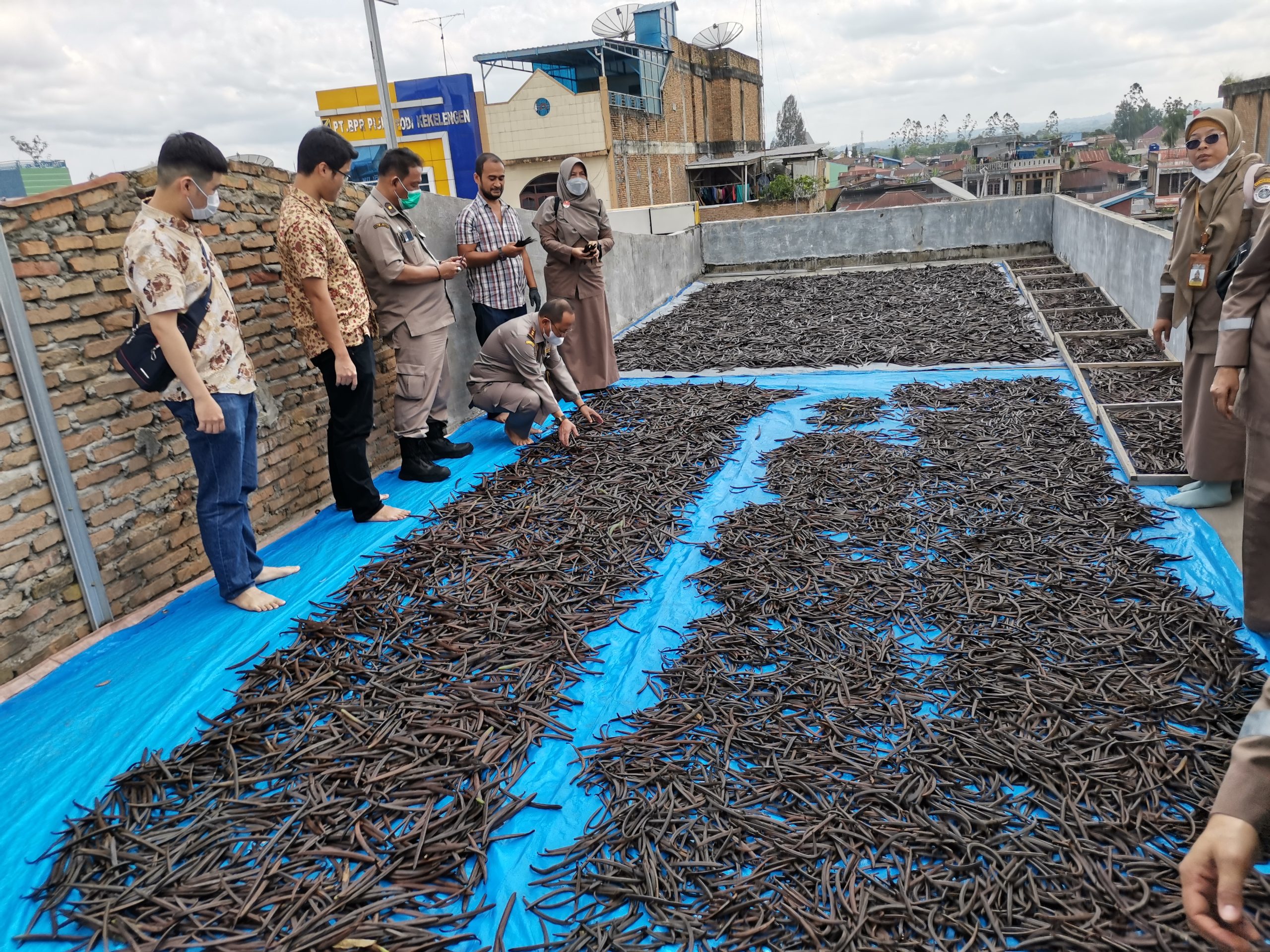
“People ask me why the beans are so dark after curing. I tell them that colour took 3 months of sun and turning every morning to develop. That darkness is the flavour. You cannot fake it.”
— Pak Budi, vanilla farmer, North Sumatra, 14 years cultivating Planifolia
Myth 5 & 6: Vanilla Flavour Fades When Cooked — and Price Always Reflects Quality
Vanilla flavour is destroyed by heat, so there’s no point using real beans in baking.
Vanillin is thermally stable. At Vanillature, we confirm that beans with 2.5%+ vanillin retain their core aroma profile when baked at 180°C and above. The 250+ supporting compounds do shift during heat — that is what creates the characteristic “baked vanilla” depth distinct from raw extract.
Some aromatic volatiles do evaporate with sustained high heat. The solution is simple: add extract to batters at the last possible moment, and use whole beans in custards and creams that cook below 100°C. High-vanillin beans give you more flavour to work with from the start (Dunphy et al., 2020).
The most expensive vanilla is always the best vanilla.
Price follows supply chains, not just chemistry. Madagascar vanilla commands premium pricing partly due to branding and weather-related supply shocks. Quality is measured in vanillin percentage, moisture content, and aroma complexity — not country of origin alone.
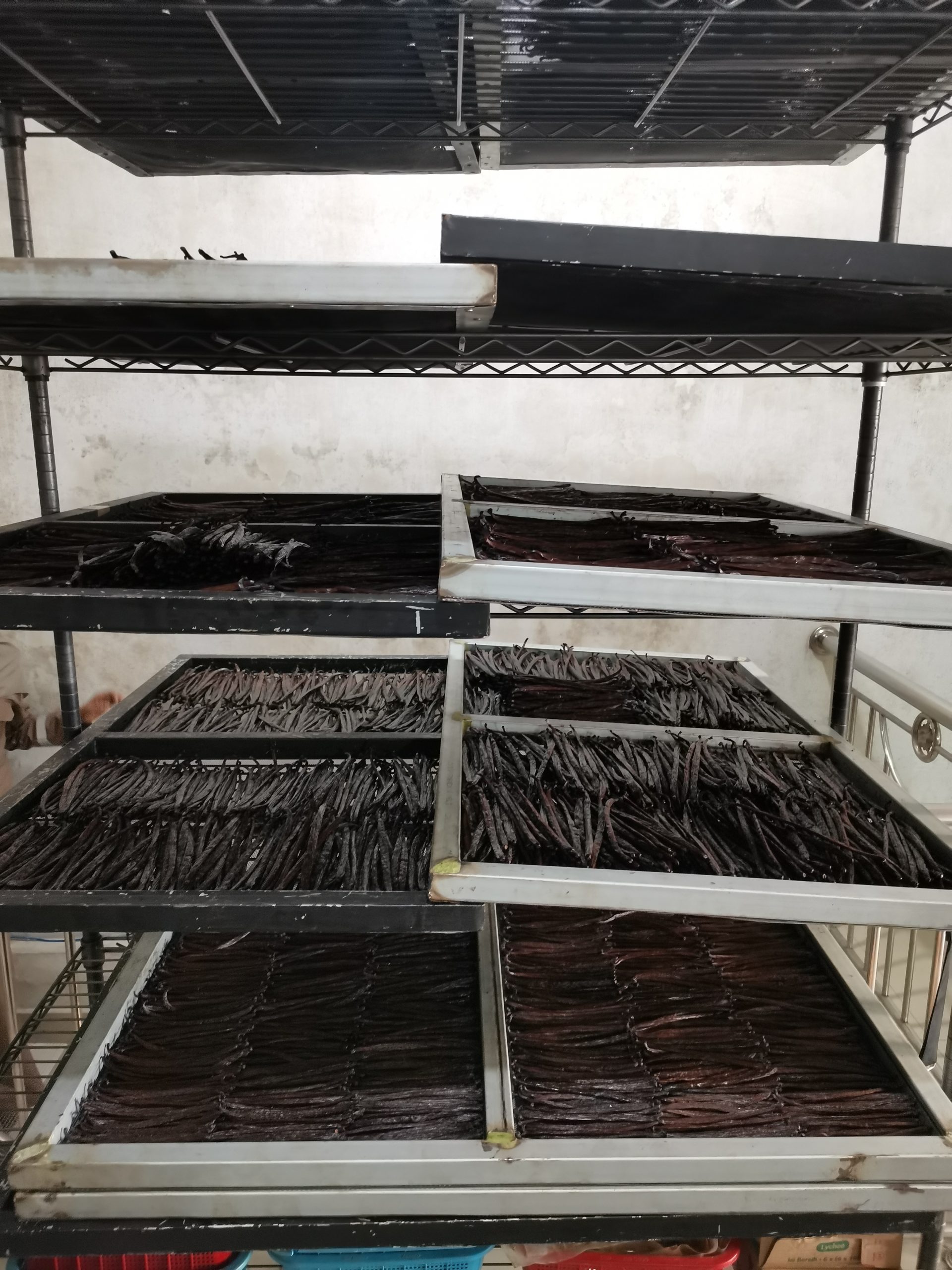
Vanillature applies a 5-stage quality sorting process to every harvest. Grade A beans carry 30–35% moisture and above 2.0% vanillin. Grade B carries 15–25% moisture and above 1.0% vanillin. Crystal Vanilla — where vanillin crystallises visibly on the pod surface — tests at 3.5–4% vanillin, the highest in the range. The grade, not the origin story, determines the outcome in your kitchen.
Myth 7 & 8: All Vanilla Tastes the Same — and Vanilla Growing Is Simple
One vanilla bean tastes the same as any other vanilla bean.
Vanilla Planifolia from Sumatra carries woody, smoky, and bold vanillin notes. Vanilla Tahitensis from Papua expresses floral, cherry, and anise-forward profiles due to higher heliotropin concentrations. The 2 species are genuinely distinct flavour experiences.
Terroir matters within species too. Sumatra Planifolia grown at 680 metres produces a different aromatic intensity than lowland-grown equivalents. Vanillature sources from 500+ smallholder farmers across North Sumatra and Papua specifically to capture these differences.
Vanilla is easy to grow — it just needs a warm climate.
Each vanilla flower opens for just 6–8 hours per day, from approximately 6am to 9am, and must be hand-pollinated within that window. The bean then takes 9 months to mature on the vine, followed by 3–6 months of traditional sun curing. Total production time: approximately 15 months from first flower to finished bean.
Myth 9 & 10: Synthetic Vanilla Is Just as Good — and Vanilla Beans Keep Forever
Synthetic vanillin tastes identical to real vanilla — there is no practical difference.
Synthetic vanillin replicates 1 compound. A real vanilla bean delivers 250+ aroma compounds, creating the layered complexity — the top notes, mid-palate warmth, and persistent finish — that synthetic vanillin cannot replicate. Trained palates and gas chromatography both confirm the difference (Havkin-Frenkel & Belanger, 2011).
This is precisely why vanilla myths facts matter to bakers and food producers. Understanding what you are actually buying — 1 compound versus 250+ — changes purchasing decisions and final dish quality in measurable ways.
Vanilla beans last indefinitely if you keep them sealed.
Grade A beans stored in airtight glass at 15–20°C retain peak aroma for 18–24 months. After that, moisture content drops below 15% and enzymatic activity slows dramatically, reducing the availability of active aroma compounds. Refrigeration accelerates moisture loss — store at cool room temperature, never chilled.
Proper vanilla bean storage — airtight glass, 15–20°C, away from light
Frequently Asked Questions About Vanilla Myths & Facts
Most vanilla comes from Indonesia and Madagascar, which together supply more than 85% of global production. Mexico is the botanical origin of Vanilla Planifolia, but it produces fewer than 200 tonnes annually today. Indonesia alone produces approximately 2,300 tonnes per year, making it the world’s second-largest producer after Madagascar (FAO Crop Statistics, 2023).
No — black specks are vanilla seeds from inside the pod, and they are a positive quality indicator. A single real vanilla bean contains thousands of seeds carrying concentrated vanillin and more than 250 distinct aroma compounds. Products displaying black specks use real vanilla beans, not synthetic vanillin (Bythrow, 2005).
Yes — vanillin is thermally stable and survives baking at 180°C and above. Vanillature Sumatra Planifolia beans test above 2.5% vanillin, providing a substantial aromatic reserve that persists through standard baking temperatures. Some volatile top-note compounds do shift during high heat, which creates the distinctive “baked vanilla” depth — a feature, not a flaw.
Real vanilla contains 250+ aroma compounds that create layered complexity — woody base notes, floral mid-tones, and a long aromatic finish. Synthetic vanillin reproduces only 1 of those compounds. The difference is measurable
