


Vanilla Knowledge
What to Ask Before Sourcing Vanilla from an Indonesia Supplier
Aug
What to Ask Before Sourcing Vanilla from an Indonesian Supplier
Most vanilla sourcing mistakes happen before the first order is placed. Fewer than 30% of Indonesian vanilla exporters publicly list a verified legal entity name — yet that single data point determines whether a shipment can legally clear customs in the United States or European Union. Here are the nine questions every serious buyer should ask an Indonesia vanilla supplier, and the answers that signal a trustworthy partner.
Why Indonesia Vanilla Supplier Due Diligence Decides Your Business
Indonesia produces approximately 2,300 tonnes of vanilla annually, making it the world’s second-largest producer after Madagascar (FAO, 2023). That volume attracts both exceptional producers and opportunistic traders with no farm connection whatsoever.
A rigorous Indonesia vanilla supplier due diligence process — run before sampling, before negotiating price — takes under 30 minutes. It eliminates the 3 most common import failures: customs seizure, mislabelled vanillin content, and untraceable origin documentation.
The 9 questions below form a structured checklist. Use them sequentially. A credible supplier answers all 9 within 1 business day.
Questions 1–3: Legal Standing and Regulatory Compliance
1 What is your registered legal entity name and company registration number?
Every legitimate Indonesian exporter operates under a Nomor Induk Berusaha (NIB) — a single business identification number issued since 2018 under OSS (Online Single Submission). The NIB is publicly verifiable in under 60 seconds on the Indonesian government’s OSS portal.
2 Do you hold an active vanilla export license issued by the Indonesian Ministry of Trade?
Vanilla is an agricultural commodity subject to Indonesia’s export licensing regime. An Eksportir Terdaftar (ET) designation, renewed annually, is the minimum requirement to ship legally. Licenses lapse — always request a copy dated within the last 12 months.
3 Are you FDA registered (for US buyers) and REX-registered (for EU buyers)? Do you hold Halal certification?
US Food & Drug Administration registration is mandatory for food importers shipping to the United States under the Food Safety Modernization Act (FSMA). EU buyers require Registered Exporter (REX) status for preferential tariff access under the EU GSP scheme. Halal certification opens 57 OIC member-country markets simultaneously — a combined 1.9 billion consumer addressable market.
“Buyers ask me how I know my vanilla is traceable. I tell them: I know the name of every farmer on 14 of the 500+ partner farms near me. I was there when they planted. That is the only traceability that means anything.”
— Pak Irwan, vanilla farmer, Simalungun, North Sumatra, 12 years cultivating Planifolia
Questions 4–6: Farm Traceability and Vanillin Quality Testing
4 Can you provide farm-level traceability documentation — not just country of origin?
Country-of-origin labelling (“Product of Indonesia”) satisfies customs but tells buyers nothing about quality, labour practices, or adulteration risk. The FAO’s vanilla supply chain transparency guidelines recommend lot-level traceability linking finished beans to specific farm clusters (FAO, 2022). Buyers in regulated markets increasingly require this for ESG reporting.
5 Do you provide independent vanillin content testing per batch — and what result should I expect?
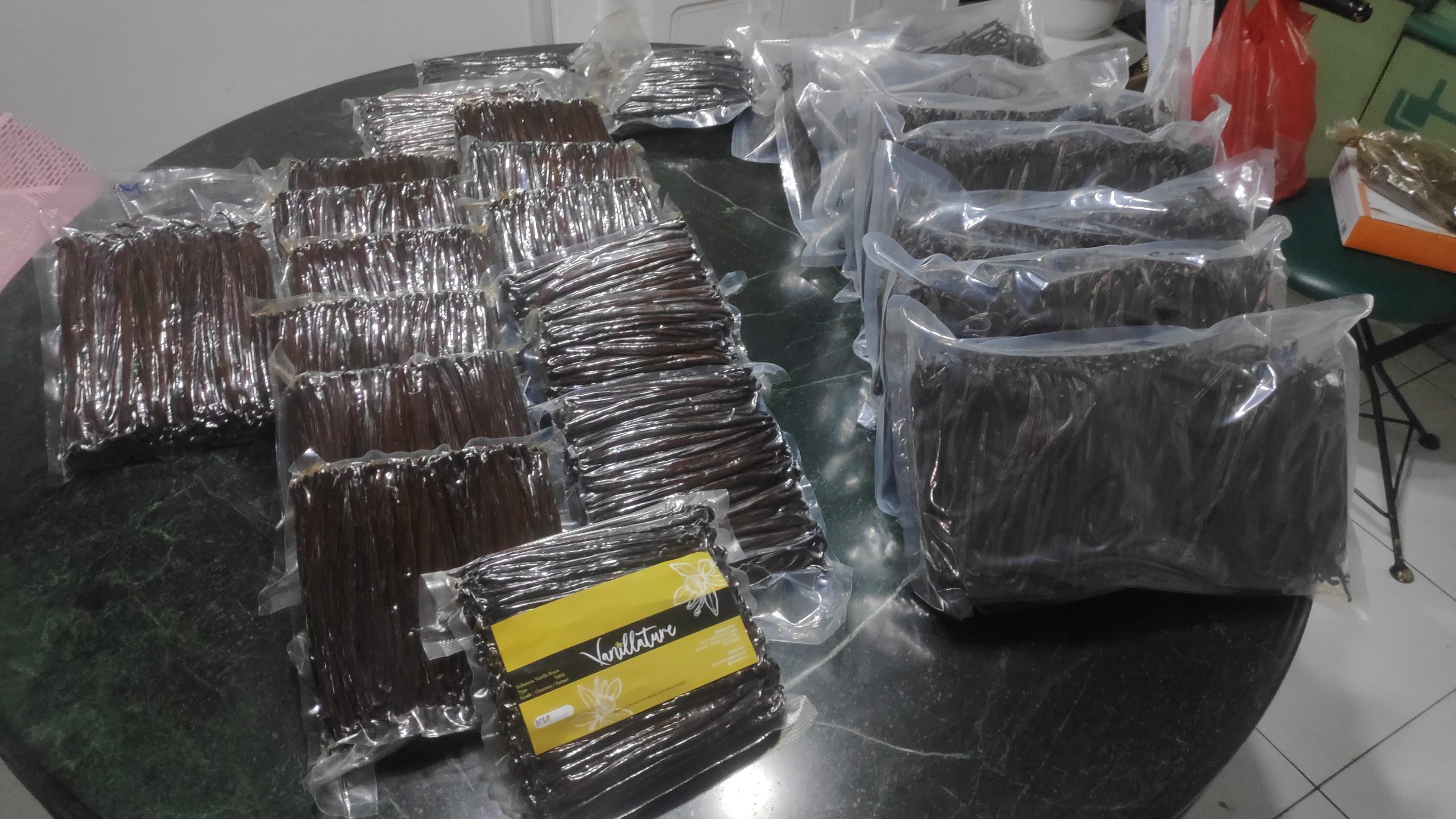
Vanillin concentration is the primary quality marker for food-grade vanilla (Dunphy et al., 2020). The global industry average sits at 1.5–2.0%. Grade A beans must test above 2.0% vanillin; Grade B beans must test above 1.0%. Suppliers who cannot provide batch-specific HPLC test results are selling on description alone.
6 What is your minimum order quantity, and do you accommodate trial orders?
MOQ policy reveals how a supplier thinks about buyer relationships. Suppliers locked into 50 kg minimums for new buyers are optimised for volume, not partnership. A structured Indonesia vanilla supplier due diligence process includes testing the supplier’s commercial flexibility before committing to a recurring programme.
Questions 7–9: Sampling, Documentation, and Communication Standards
7 What is your sample policy — cost, size, and delivery timeline?
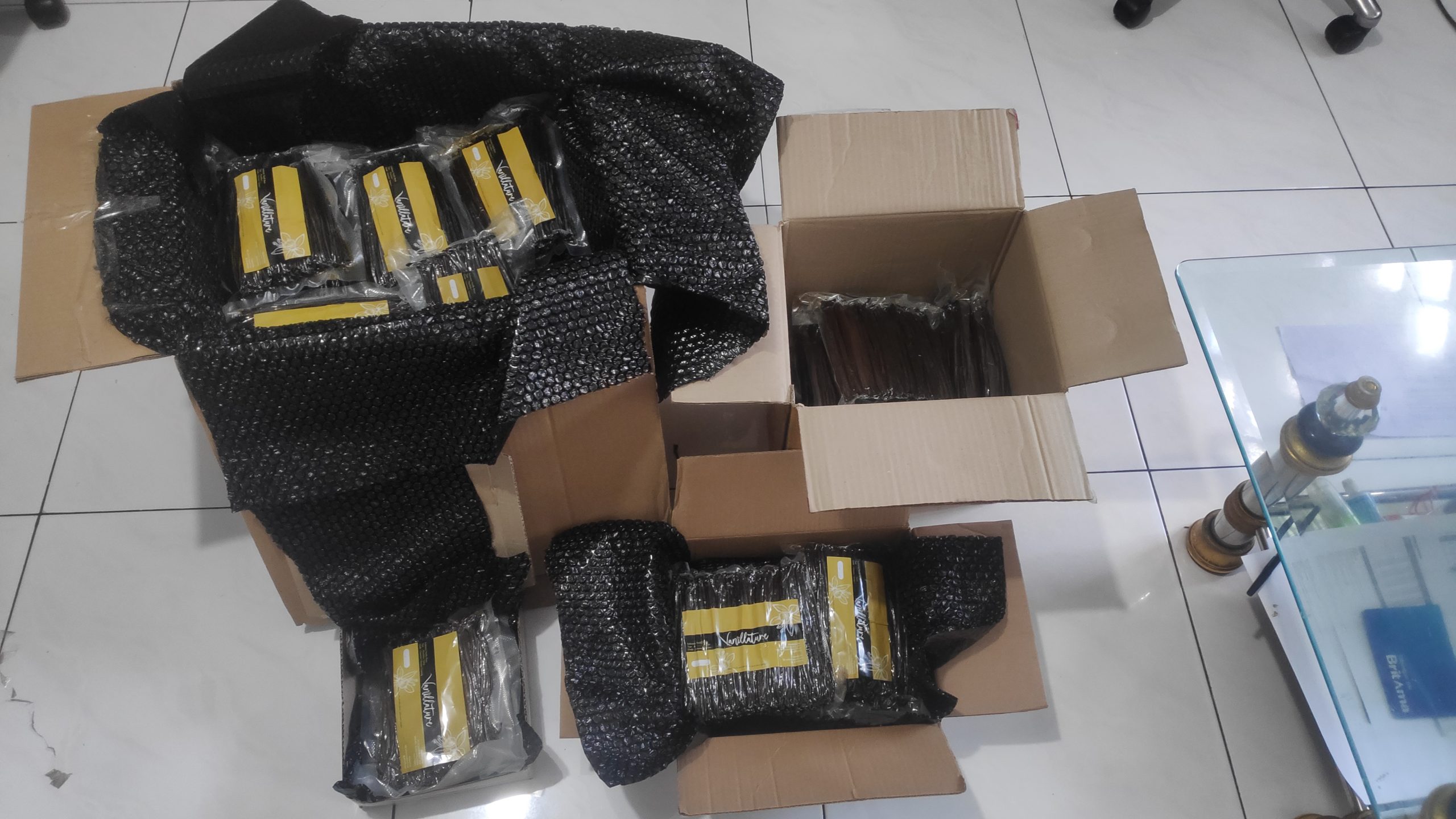
A supplier confident in product quality charges only shipping on samples — typically USD 15–30 via DHL Express to most destinations. Sample delivery from North Sumatra runs 3–7 business days to the US, EU, or Australia. Suppliers charging USD 80–120 “sample fees” are treating product evaluation as a revenue line, not a sales process.
8 What shipping documents do you provide per commercial shipment?
A complete compliant vanilla shipment requires at minimum: Commercial Invoice, Packing List, Certificate of Origin (Form E or ICO), Phytosanitary Certificate, and — for US-bound shipments — FDA Prior Notice confirmation. Missing any 1 of these 5 documents can hold a shipment in customs for 7–21 days.
9 What is your guaranteed response time for buyer enquiries during business hours?
Supplier communication behaviour before a contract reflects operational standards after one. A 72-hour response window for a pre-sale enquiry predicts the same lag when a customs query needs answering in real time. Indonesia’s WIB timezone (UTC+7) means a North Sumatra supplier with 1-business-day response standards can cover US East Coast mornings and European afternoons within the same working day.
How Vanillature Answers All Nine
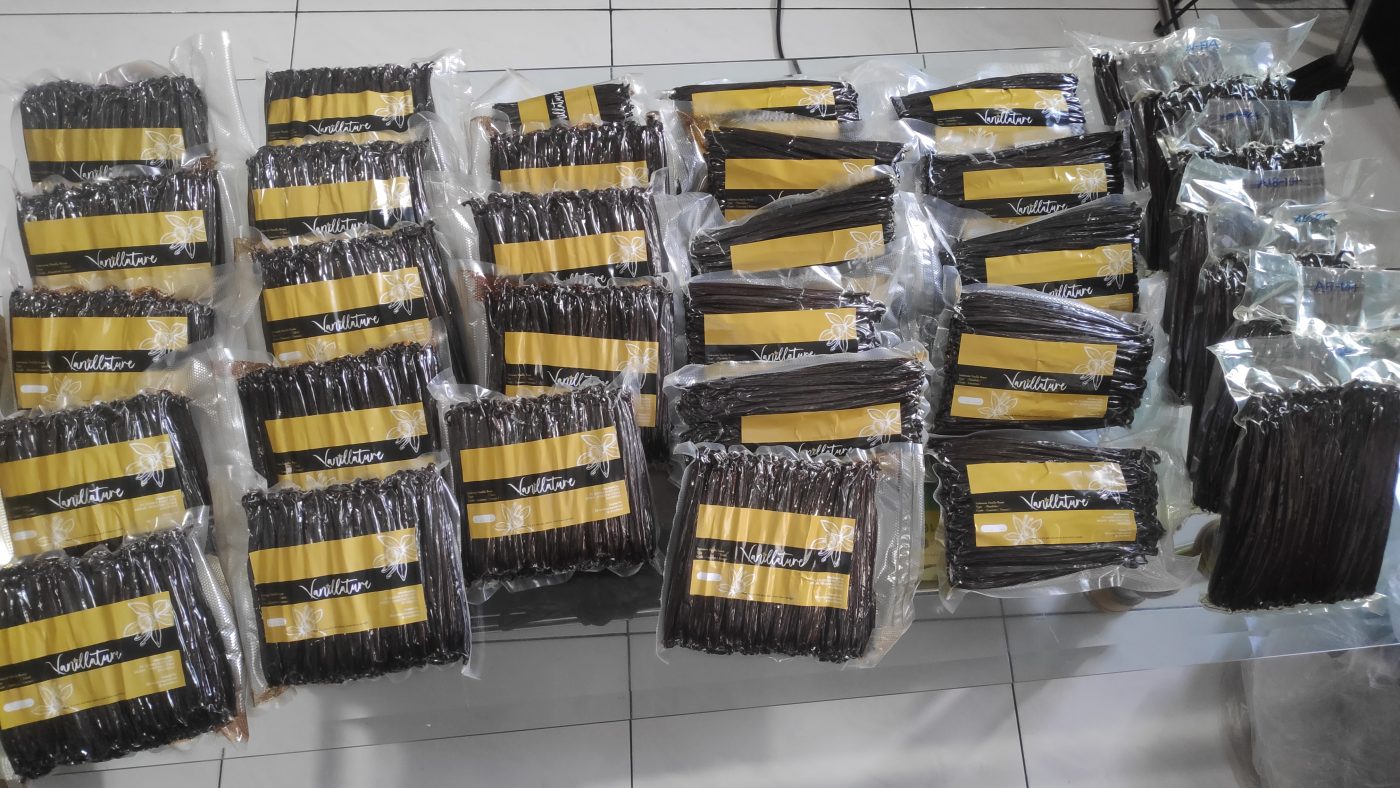
Legal entity: PT. Sumber Bukit Jaya, NIB verified, Medan, North Sumatra. Export license: active Eksportir Terdaftar. Certifications: FDA registered, REX EU approved, Halal certified.
Farm traceability: 500+ registered smallholder partners across Sumatra and Papua, lot-numbered to village level. Vanillin testing: HPLC per batch — Grade A tests above 2.0% minimum, with Sumatra Planifolia consistently above
