


Vanilla Knowledge
Vanilla Planifolia vs Vanilla Tahitensis: Which Should You Use?
Aug
Vanilla Guide · August 17, 2026
Vanilla Planifolia vs Vanilla Tahitensis: Which Should You Use?
Vanillin in Sumatra Planifolia
(industry avg 1.5–2.0%)
Vanillin in Tahitensis — aroma complexity from heliotropin, not vanillin
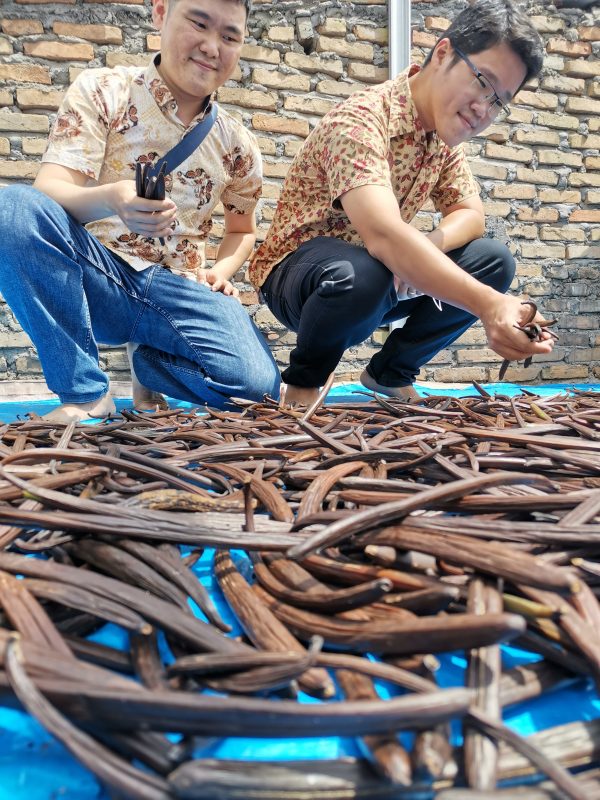
Papua Tahitensis bean length — plump, high-moisture, fragrant
The Chemistry Behind Each Species
Vanilla Planifolia — the source of classic Bourbon vanilla — derives almost all its aroma from a single compound: vanillin. Our Sumatra Planifolia tests above 2.5% vanillin, compared to the global industry average of 1.5–2.0% (Havkin-Frenkel & Belanger, 2011). That concentrated vanillin is what delivers the deep, woody, creamy character every baker recognises.
Vanilla Tahitensis works differently. Its vanillin content sits at 0.5–1.5% — lower by design. The primary aromatic compound in Tahitensis is heliotropin (also called piperonal), which produces floral, anise, and stone-fruit notes. The result is a lighter, more complex perfume rather than a bold vanilla punch.
The distinction matters most under heat. Vanillin is thermostable — it survives oven temperatures above 180°C and still flavours the finished bake. Heliotropin is more volatile. It performs best in cold or minimally heated applications, where its floral character is not burned away.
Planifolia: The Right Choice for Baking and Cooking
When a recipe involves direct heat — cakes, cookies, custards, sauces, bread — Planifolia is the correct species. Its 2.5%+ vanillin content stands up to temperatures that would vaporise the delicate heliotropin in Tahitensis.
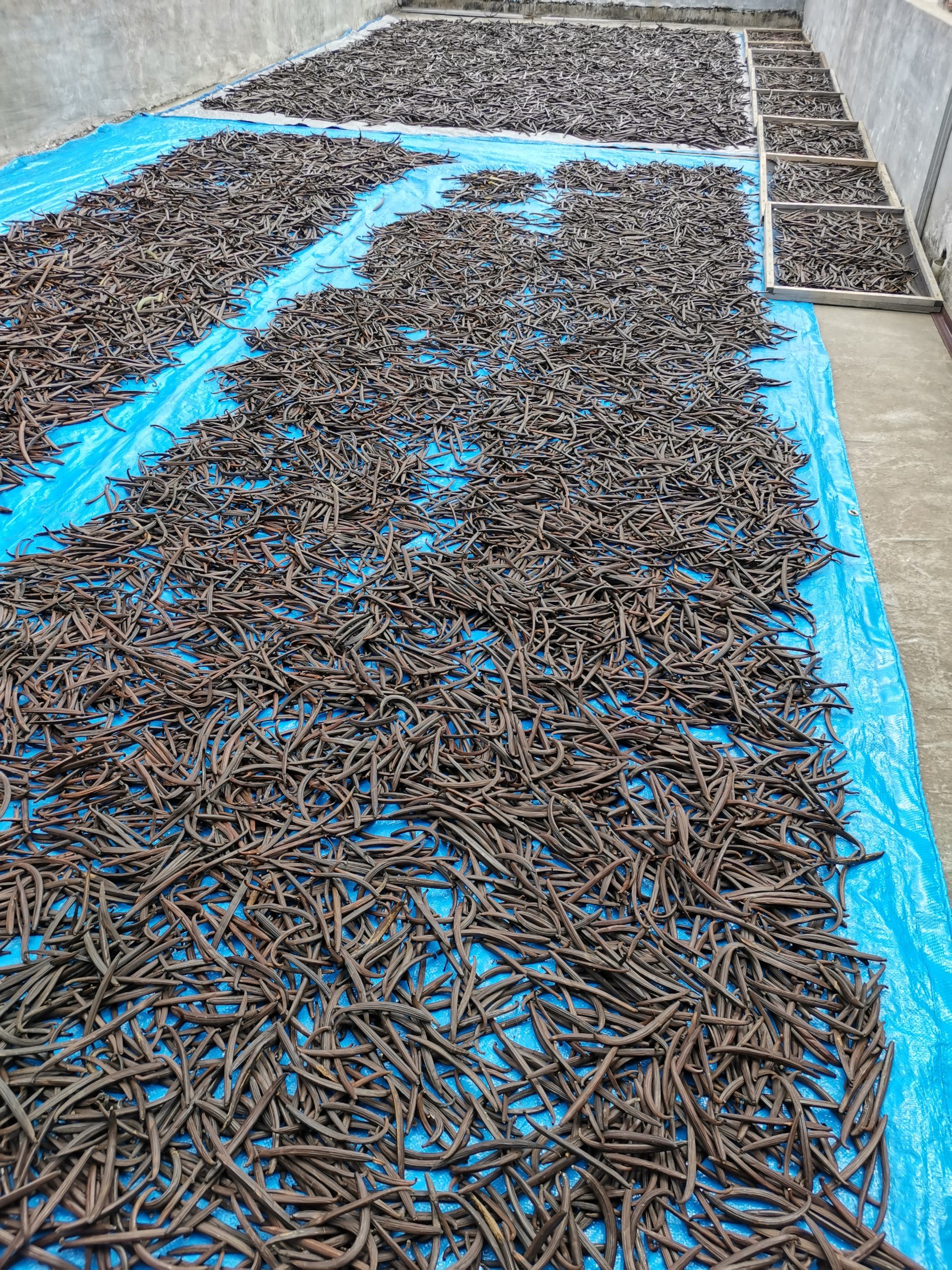
Our North Sumatra farms sit at 680 metres above sea level. That elevation produces beans with dense cell walls and concentrated flavour compounds. Each bean takes 9 months to mature on the vine, then passes through 3–6 months of traditional sun curing before dispatch.
✓ Butter cakes, pound cakes, and brownies
✓ Vanilla custard, crème brûlée, and pastry cream
✓ Cookies, shortbreads, and biscotti
✓ Spiced sauces and caramel — vanillin bonds with fat at 160°C+
✓ Vanilla extract (high vanillin yields a stronger extract per bean)
In the Tahitian vanilla vs Bourbon vanilla debate, Bourbon-style Planifolia wins every baked application. The chemistry is non-negotiable: 2.5% vanillin survives the oven. Heliotropin does not.
Tahitensis: The Right Choice for Cold and Delicate Applications
Our Papua Tahitensis beans measure 5.5–6.5 inches in length — plump, moist, and intensely fragrant straight from the pack. The floral, cherry-anise aroma from heliotropin hits immediately on opening. That fragrance is exactly what you want in no-bake and low-heat recipes.
“The Tahitensis flower in Papua smells like jasmine even before the bean is cured. When you open a finished bean, the floral notes are still right there. I always tell chefs: use it cold, and never waste it in a hot oven.”
— Bu Marlina, vanilla farmer, Papua, 8 years cultivating Tahitensis variety
Ice cream is the clearest win for Tahitensis. The heliotropin stays intact in a frozen base, releasing its stone-fruit and cherry notes on the palate without competition from a heavy vanillin backbone. Cold-set panna cotta, mousse, and no-bake cheesecake all benefit from the same logic.
✓ Ice cream and gelato bases
✓ Cold-set panna cotta, mousse, and jelly
✓ Cocktails, mocktails, and floral syrups
✓ Whipped cream and chantilly
✓ Raw chocolate ganache and truffles
✓ Fruit salads — floral notes complement strawberry, peach, and mango
For beverages specifically, Tahitensis outperforms Planifolia every time. A vanilla cold brew, vanilla latte served iced, or fruit-forward cocktail benefits from heliotropin’s floral lift. Adding high-vanillin Planifolia to a delicate beverage can overpower it — this is the core argument in the Tahitian vanilla vs Bourbon vanilla comparison for drink applications.
Direct Comparison: Planifolia vs Tahitensis by Application
The table below resolves the Tahitian vanilla vs Bourbon vanilla question for 10 specific recipe categories. Use it as a production reference.
| Application | Recommended Species | Reason |
|---|---|---|
| Butter cake / pound cake | PLANIFOLIA | Vanillin survives 180°C; delivers classic vanilla depth |
| Crème brûlée / custard | PLANIFOLIA | Fat infusion at 80°C extracts vanillin cleanly |
| Vanilla ice cream | TAHITENSIS | Cold base preserves heliotropin’s floral, cherry notes |
| Panna cotta / mousse | TAHITENSIS | No heat; floral perfume stays fully intact |
| Vanilla extract | PLANIFOLIA | 2.5%+ vanillin yields a stronger, more concentrated extract |
| Cocktails & syrups | TAHITENSIS | Anise-fruit top notes complement spirits and citrus |
| Cookies & shortbread | PLANIFOLIA | Vanillin bonds with butter fat during baking |
| Whipped cream | TAHITENSIS | Floral heliotropin lifts cream without heaviness |
| Caramel sauce | PLANIFOLIA | High heat at 170°C+ — only vanillin survives |
| Fruit-based desserts | TAHITENSIS | Cherry and anise notes complement stone fruit and berries |
How to Choose — and What Vanillature Offers
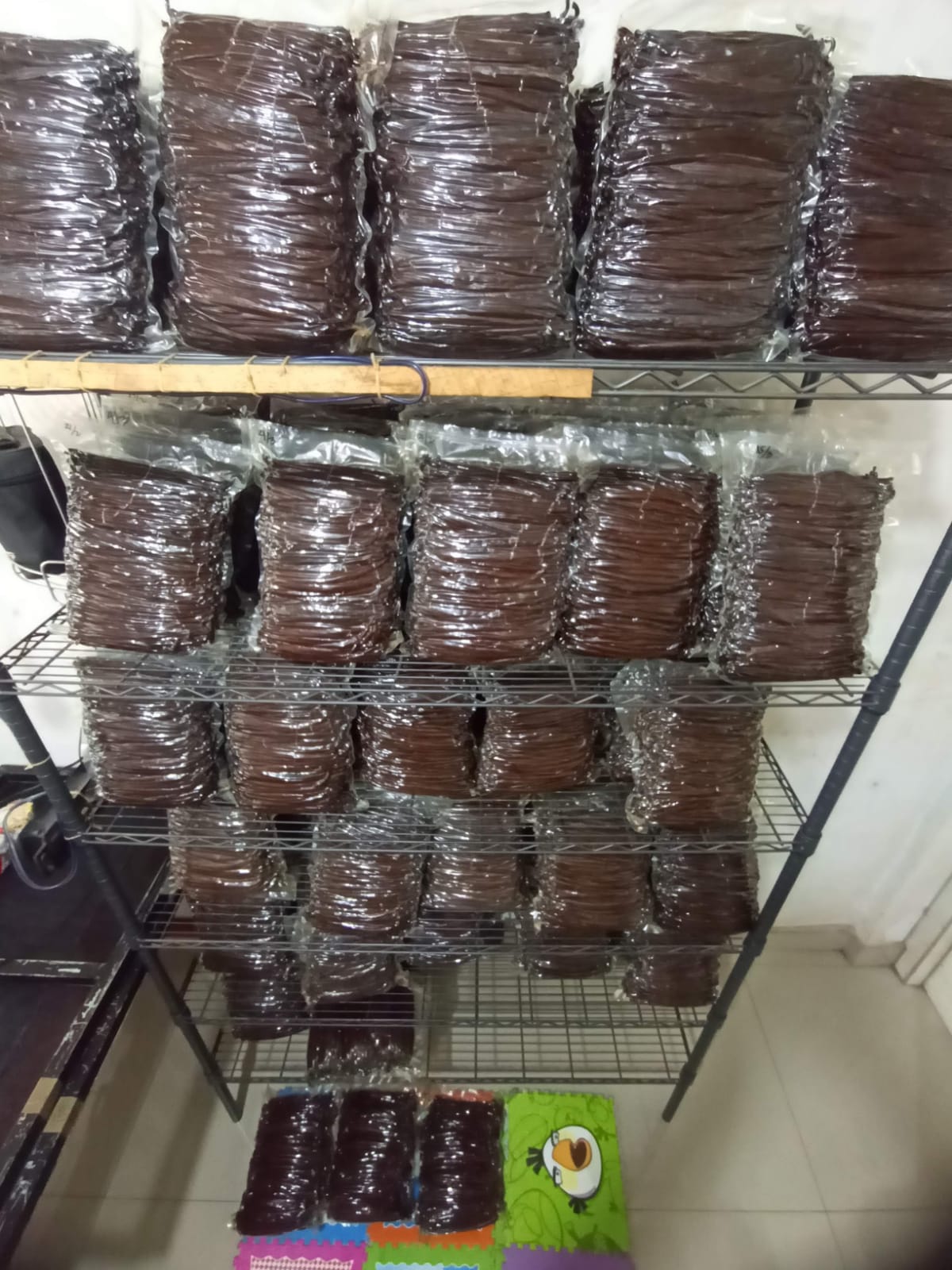
At Vanillature, we source Planifolia directly from 500+ smallholder farmers across North Sumatra, and Tahitensis from Papua. Both varieties pass a 5-stage quality sorting process before dispatch. Every batch is tested for vanillin content and moisture — Grade A Planifolia shows vanillin above 2.0% and moisture at 30–35%.
If your kitchen runs both hot and cold applications, stock both species. The flavour profiles complement rather than compete. Many professional pastry kitchens use Planifolia in their baked base and Tahitensis in their garnish cream — maximum complexity across the full dish.
The Crystal Vanilla variant — our highest-grade Planifolia — tests at 3.5–4% vanillin, with surface vanillin crystals visible on the bean. It is the strongest option in the range and the clearest answer when the Tahitian vanilla vs Bourbon vanilla debate tips toward baking intensity.
Frequently Asked Questions
Bourbon vanilla (Planifolia) contains 2.5%+ vanillin and delivers a woody, creamy, intense flavour. Tahitian vanilla (Tahitensis) contains only 0.5–1.5% vanillin but is rich in heliotropin, producing floral, cherry, and anise notes. Bourbon vanilla excels in baking. Tahitian vanilla excels in cold desserts and beverages. The difference is chemical, not qualitative — both species are premium; each has the right application.
Technically yes, but you lose most of the value. Tahitensis contains 0.5–1.5% vanillin and derives its signature character from heliotropin — a volatile compound that vaporises at baking temperatures above 160°C. Planifolia, with 2.5%+ vanillin, is thermostable and designed for heat. Using Tahitensis in a hot oven wastes its floral compounds and produces a weaker result than Planifolia
