


Vanilla Knowledge
How Altitude and Soil Shape the Flavour of Your Vanilla Beans
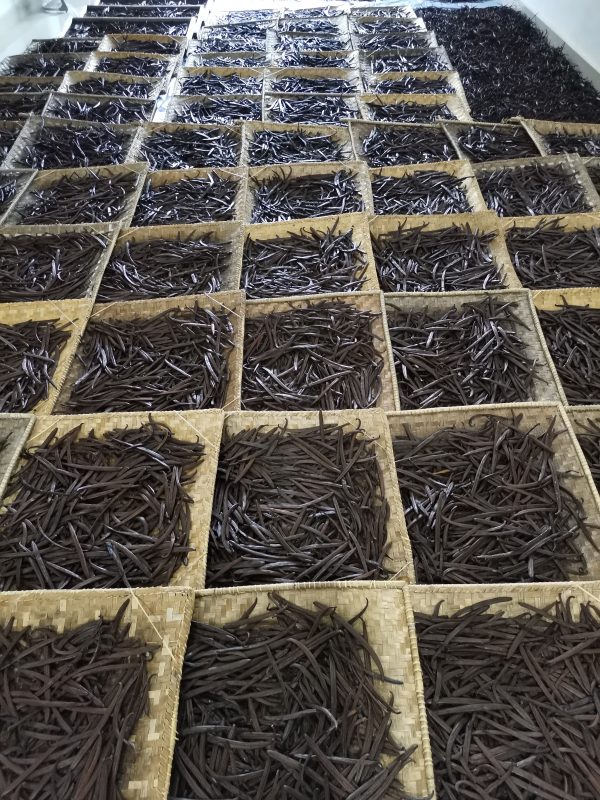
Aug
Single-Origin Vanilla · Terroir & Flavour Science
How Altitude and Soil Shape the Flavour of Your Vanilla Beans
Like wine, vanilla is profoundly shaped by where it grows. Altitude, soil mineral content, humidity, and canopy shade all change the flavour in ways science is only beginning to explain. Vanillature’s North Sumatra farms sit at precisely 680 metres above sea level — and that single fact produces a vanillin concentration above 2.5%, compared to the industry average of 1.5–2.0%.
North Sumatra farm elevation — volcanic plateau terroir
Papua highland elevation — rainforest canopy terroir
More trace minerals in volcanic soil vs standard agricultural soil
What “Terroir” Actually Means for Vanilla
Wine drinkers understand terroir instinctively. The same Pinot Noir grape grown in Burgundy and Oregon produces fundamentally different wines — because altitude, soil, and microclimate each press their fingerprint into the fruit. The same logic governs vanilla terroir flavour, though the spice world rarely talks about it.
Vanilla planifolia develops its flavour compounds — primarily vanillin, but also heliotropin, p-hydroxybenzaldehyde, and 4-hydroxybenzyl alcohol — through a complex enzymatic process triggered during curing. But the raw material that enters curing is already shaped by geography. Research by Havkin-Frenkel & Belanger (2011) confirms that precursor glucoside concentrations in the green bean vary significantly based on growing conditions, directly determining how much vanillin the finished bean can yield.
At Vanillature, we source from 500+ smallholder farmers across 2 distinct geographic zones. Each zone produces a measurably different flavour profile — and understanding why helps you choose the right vanilla for your application.
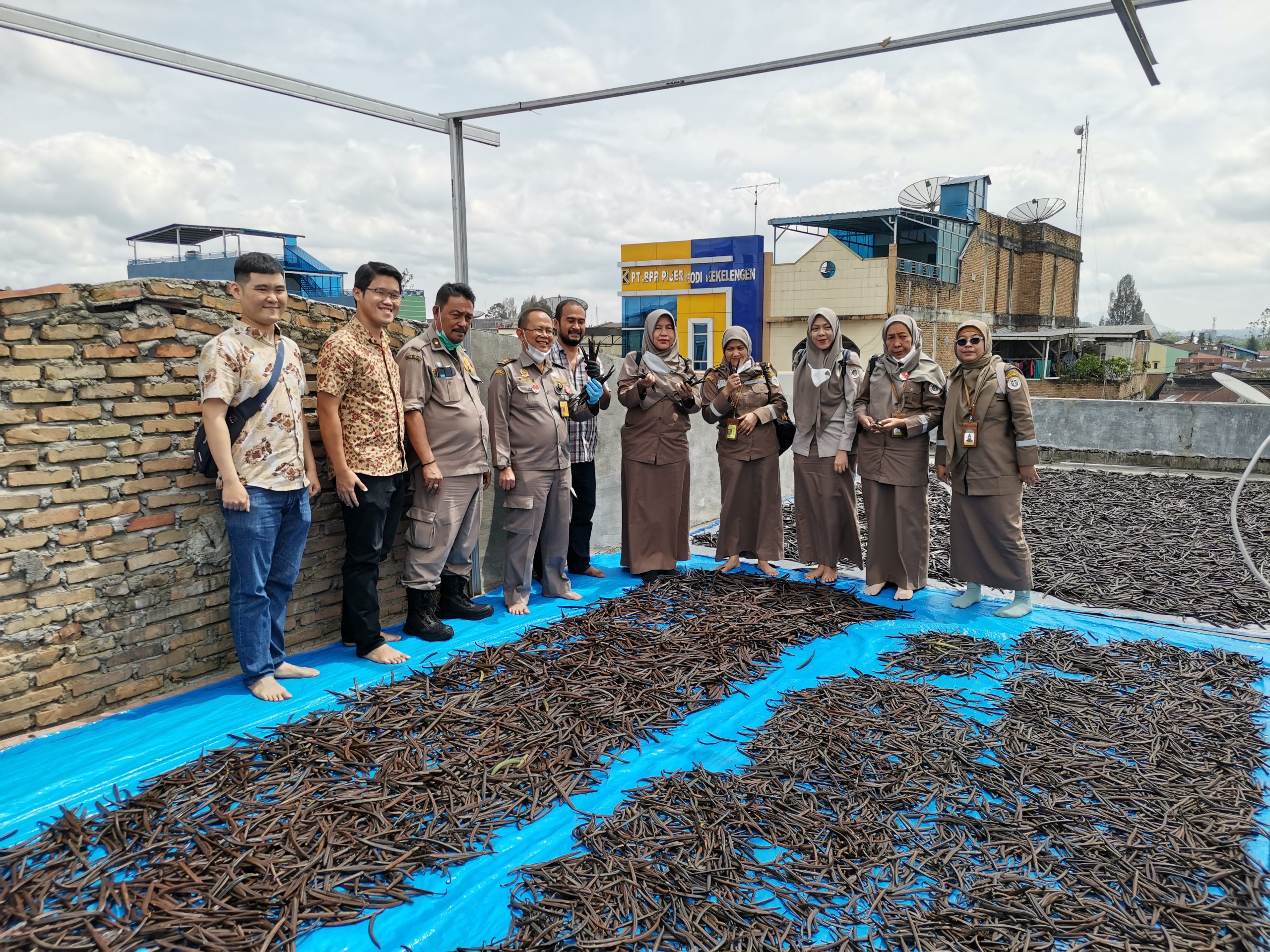
North Sumatra: Volcanic Soil at 680 Metres
Vanillature’s primary growing region sits on the volcanic plateau of North Sumatra, where farms reach 680 metres above sea level. The soil here is classified as andosol — formed from volcanic ash deposits. It carries 3 times the trace mineral content of standard agricultural soil, including elevated zinc, manganese, and potassium that feed the vanilla vine at a cellular level.
The elevation matters for 2 key reasons. First, temperatures drop to 18–22°C at night, slowing the vine’s metabolism and concentrating flavour precursors inside the developing bean. Second, reduced atmospheric pressure at altitude changes how the plant manages water uptake through its roots — creating a denser, more resinous bean tissue.
The result: Sumatra Planifolia beans from this zone test consistently above 2.5% vanillin by dry weight. Industry-standard beans from lower-altitude growing regions typically measure 1.5–2.0%. That gap is the flavour difference you taste in a finished dessert — bolder, creamier, with a persistent warmth that flat-land vanilla cannot replicate.
🌿 Volcanic soil advantage: Andosol’s mineral density increases the vine’s production of glucovanillin — the direct precursor compound that converts to vanillin during enzymatic curing. Higher precursor load means higher finished vanillin. (Havkin-Frenkel & Belanger, 2011)
“When I walk my rows in the morning, I can tell by the colour of the leaves whether the soil is feeding the vines properly. The dark green, slightly waxy leaves — those vines will give us the heaviest pods. Thin leaves mean thin flavour. The volcano gives us everything we need.”
— Pak Irwan, vanilla farmer, Simalungun, North Sumatra, 12 years cultivating Planifolia
Papua Highlands: Rainforest Canopy Above 1,200 Metres
Vanillature’s secondary growing region sits in the Papua highlands, where farms exceed 1,200 metres above sea level. At this elevation, the Tahitian variety (Vanilla tahitensis) thrives under a dense rainforest canopy that filters 40–60% of direct sunlight.
The flavour chemistry here diverges sharply. Papua’s cooler, wetter microclimate produces higher concentrations of heliotropin — a compound responsible for vanilla’s floral, cherry-like secondary notes. Vanillin content in Tahitian beans typically runs 1.0–1.5%, but the heliotropin profile creates a distinctly different aromatic experience: lighter, more perfumed, prized in pastry applications where delicacy matters more than depth.
The red volcanic-clay soils of the Papua highlands drain quickly despite high rainfall — 2,800 mm annually. This prevents root rot while maintaining consistent moisture for the vine during the 9-month bean maturation period. The combination of high altitude, filtered canopy light, and mineral-rich drainage soil creates a vanilla terroir flavour profile found nowhere else in Indonesia.
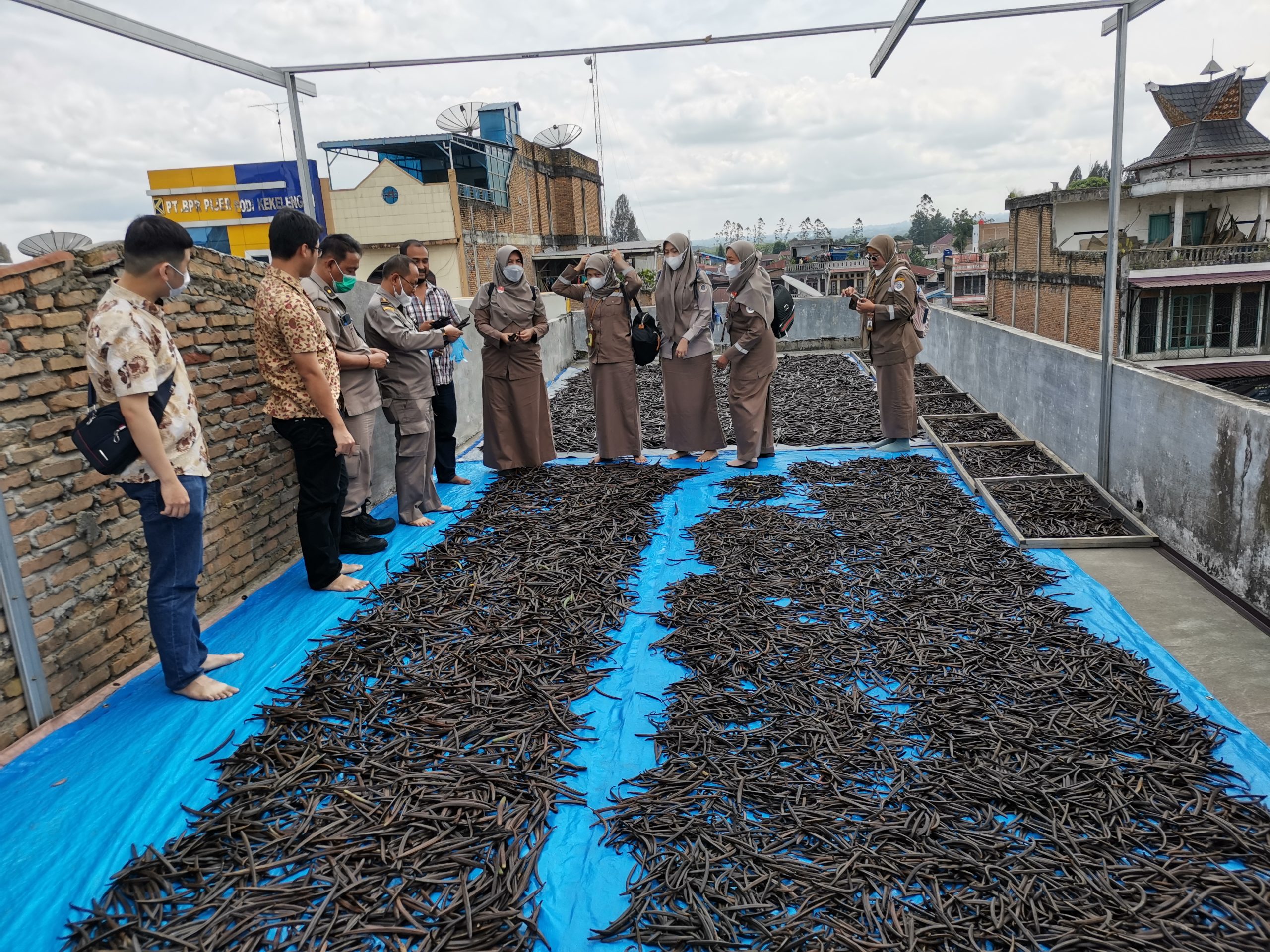
The Pollination Window That Altitude Makes Critical
Every vanilla flower opens for just 6–8 hours per day, between 6 am and 9 am. After that window closes, the flower dies unpollinated. At higher altitudes, morning mist reduces this window further — farmers must reach their vines before 8 am to hand-pollinate effectively.
This constraint shapes the economics and quality of single-origin vanilla. Smallholder farmers working 680-metre Sumatran plots can reliably reach all their vines within the window, ensuring near-100% pollination rates. Larger industrial plantations at lower altitudes sacrifice this precision — and the flavour quality reflects it.
After successful pollination, beans spend 9 months maturing on the vine at altitude. The extended cool-season maturation builds glucovanillin reserves that simply don’t accumulate as efficiently at sea level. Indonesia produces approximately 2,300 tonnes of vanilla annually — making it the world’s second-largest producer after Madagascar (FAO, 2023). But volume tells you nothing about altitude-specific quality.
Why Single-Origin Vanilla Outperforms Blended Product
Most commercial vanilla extract blends beans from multiple countries and multiple growing altitudes. The result is statistical averaging — the distinctive high-altitude character of Sumatran volcanic terroir gets diluted by lower-altitude beans harvested for yield rather than flavour depth.
Single-origin vanilla terroir flavour is traceable. At Vanillature, every batch passes a 5-stage quality sorting process. Grade A beans must reach 30–35% moisture and test above 2.0% vanillin. Our Crystal Vanilla — named for the surface vanillin crystals that form on premium cured beans — tests at 3.5–4% vanillin. Those crystals are concentrated flavour compounds that precipitate directly from the bean’s resinous core.
That measurable difference only exists because we source from identified farms at specific elevations. Once you blend, you lose the altitude signal — and you lose the flavour it creates.
Crystal Vanilla close-up — surface vanillin crystals at 3.5–4% concentration, formed during traditional 3–6 month sun curing
Frequently Asked Questions: Vanilla Terroir and Flavour
Altitude measurably changes vanilla flavour chemistry. Vanillature’s North Sumatra beans grown at 680 metres test above 2.5% vanillin — versus the industry average of 1.5–2.0% from lower-altitude origins. Cooler night temperatures slow vine metabolism and concentrate flavour precursors in the developing bean. Research by Havkin-Frenkel & Belanger (2011) confirms that growing conditions directly affect glucovanillin precursor concentration, which determines maximum vanillin yield after curing. This is measurable chemistry, not marketing.
Sumatran Planifolia grown at 680 metres delivers a bold, creamy, warm flavour profile with vanillin above 2.5%. Papua Tahitian vanilla grown above 1,200 metres produces a lighter, floral, cherry-like profile driven by higher heliotropin concentrations, with vanillin typically between 1.0–1.5%. Sumatran vanilla suits chocolate, custard, and spiced applications. Papua Tahitian vanilla excels in delicate pastry, buttercream, and perfume-led dessert work. Both profiles emerge directly from their altitude-specific terroir — not from processing differences.
Volcanic andosol soil in North Sumatra contains 3 times the trace mineral content of standard agricultural soil. Elevated zinc, manganese, and potassium directly feed the vanilla vine’s enzymatic systems, increasing production of glucovanillin — the compound that converts to vanillin during curing. Higher precursor concentration in the green bean means higher finished vanillin in the cured product. This mineral advantage is inseparable from the altitude at which the volcanic plateau sits, making Sumatra’s 680-metre growing zone uniquely productive for premium vanilla.
Single-origin vanilla takes approximately 15 months from flower to finished bean. The vanilla flower opens for just 6–8 hours per day and must be hand-pollinated within that window. After successful pollination, the bean matures on the vine for 9 months at altitude. Farmers then cure the harvested beans for 3–6 months using traditional sun-curing methods — the enzymatic phase where glucovanillin converts to the vanillin that defines flavour. At Vanillature, this entire process is monitored across all 500+ partner farms before beans enter our 5-stage quality sort.
Taste the Terroir Difference
Sumatra’s volcanic plateau at 680 metres produces vanilla that tests above 2.5% vanillin — measurably richer than industry standard. Experience single-origin vanilla terroir flavour from farms you can trace.
Vanillature holds a 5.0 star rating from 174+ verified buyers on eBay, with additional verified ratings on Shopee and TikTok Shop Indonesia — independently confirmed quality across three separate platforms.
Vanillature (PT. Sumber Bukit Jaya) — Jl. Prof. H.M. Yamin SH No. 224M, Medan, North Sumatra 20234, Indonesia — +62 878-6986-1288
