


Vanilla Knowledge
Vanilla and Chocolate: The Science Behind Why They Are Always Paired
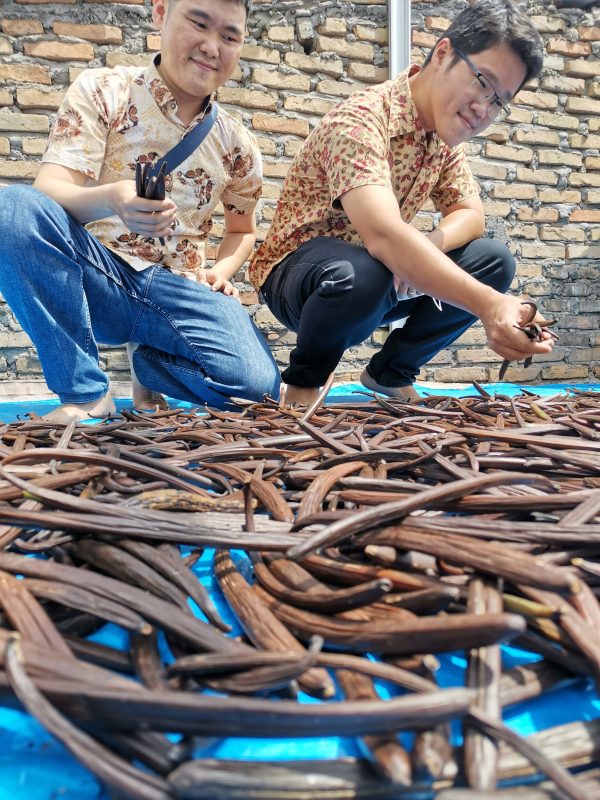
Aug
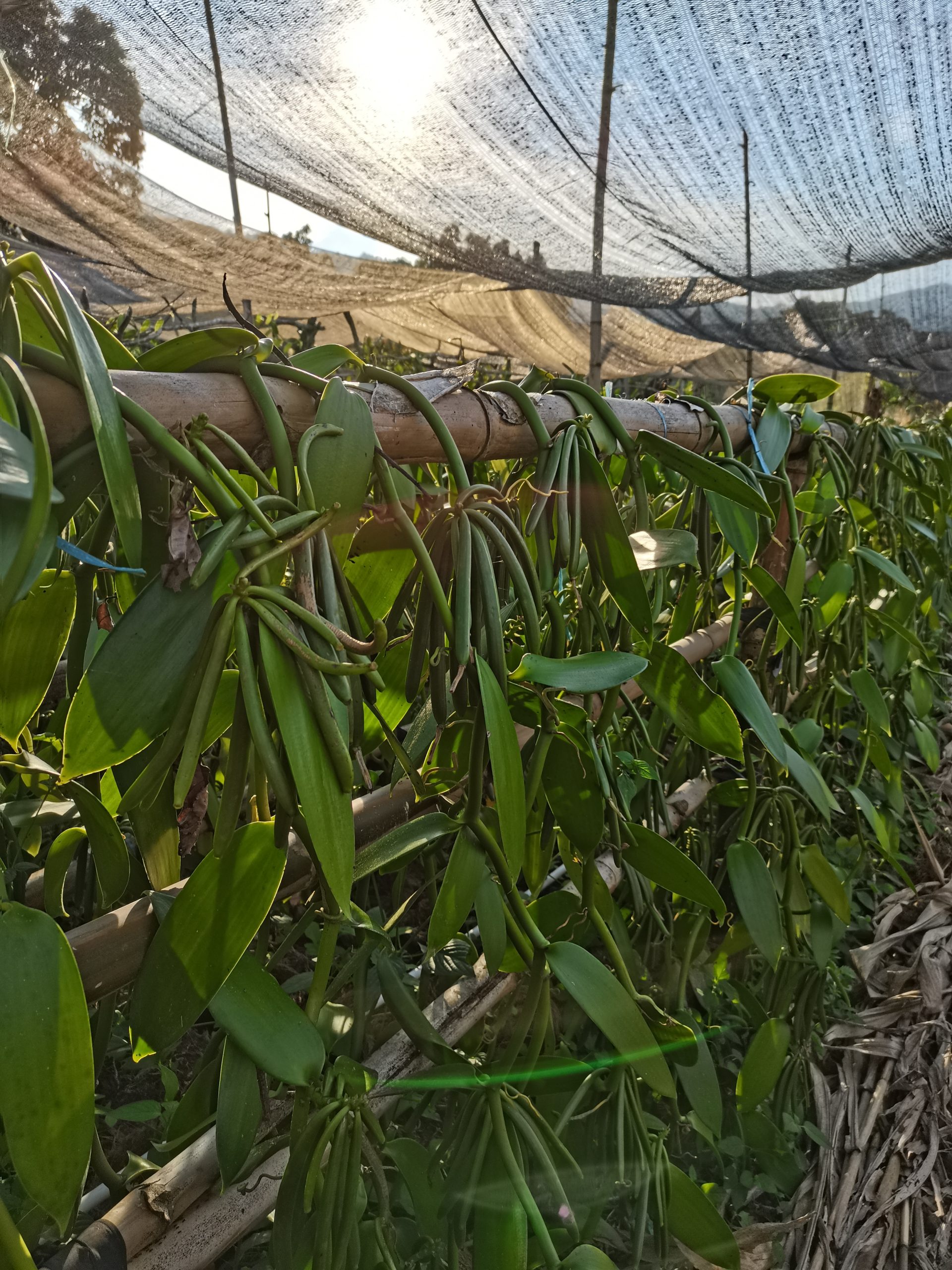
Aroma compounds in real vanilla extract — many shared with cacao
Boost in perceived sweetness when vanillin interacts with theobromine in dark chocolate
Vanillin content in Vanillature Sumatra Planifolia — versus industry average of 1.5–2.0%
Two Plants from the Same Ancient Landscape
Both vanilla and cacao originated in Mesoamerica, within a few hundred kilometres of each other. The Totonac people of present-day Mexico cultivated vanilla orchids as far back as 1,400 years ago. Cacao was already central to Maya and Aztec ceremonial drinks by at least 600 CE.
When Spanish explorers encountered Aztec xocolātl — a bitter cacao drink — it was already flavoured with vanilla. That pairing did not happen by accident. It reflected an intuitive understanding, confirmed 500 years later by modern flavour chemistry, that these two plants amplify each other.
Indonesia now produces approximately 2,300 tonnes of vanilla annually, making it the world’s second-largest producer after Madagascar (FAO, 2023). The same shared aroma logic that guided Mesoamerican cooks still drives every premium chocolate bar and dessert recipe today.
Shared Phenolic Compounds: The Chemistry That Explains Why Vanilla and Chocolate Go Together
Vanillin — the dominant flavour molecule in vanilla — is a phenolic aldehyde. Cacao fermentation produces an overlapping set of phenolic compounds during its 5–7 day fermentation process, including guaiacol, syringol, and phenylacetic acid.
Research published in the Journal of Food Chemistry identifies vanillin as a key bridging compound in flavour pairing, binding to shared aroma receptors and reducing the perception of bitterness in phenolic-rich foods (Bythrow, 2005). In practical terms, vanillin suppresses the harsh edge of cacao’s tannins while simultaneously extending the sweet finish of both ingredients.
This is not blending for moderation. It is a biochemical interaction where two distinct flavour systems reinforce each other at the receptor level. That is exactly why vanilla and chocolate go together in almost every cuisine on earth.
Key mechanism: Vanillin interacts with theobromine — cacao’s primary bitter alkaloid — to increase perceived sweetness by 20–30%, without any additional sugar. This is one of the most efficient natural flavour interactions in food chemistry.
Vanillin Concentration Determines the Effect
Not all vanilla delivers the same chemical impact on chocolate. Synthetic vanillin — derived from lignin or guaiacol — provides only the single vanillin molecule. Real vanilla extract delivers 250+ active compounds that interact with cacao’s 600+ volatiles across multiple receptor pathways simultaneously.
At Vanillature, every batch of Sumatra Planifolia tests above 2.5% vanillin, compared to the industry average of 1.5–2.0%. That additional vanillin concentration directly amplifies the theobromine-sweetening effect in dark chocolate applications.
Our Crystal Vanilla achieves even higher concentrations: 3.5–4% vanillin, with surface crystals that are deposits of concentrated vanillin formed during extended curing. Used in dark chocolate ganache or a 70%+ cacao mousse, the difference in depth and sweetness balance is measurable — not just perceptible.
“When I hand-pollinate each flower inside that 6-hour window, I am already thinking about the vanillin that forms during curing. The stronger the bean, the more it will do inside a dark chocolate recipe. That is why we never rush the 9 months on the vine.”
— Pak Budi, vanilla farmer, North Sumatra, 14 years cultivating Planifolia
The Curing Process Builds the Compounds That Pair with Chocolate
Fresh vanilla beans contain no free vanillin. The compound is locked inside glucovanillin, a precursor molecule that only releases through enzymatic hydrolysis during curing.
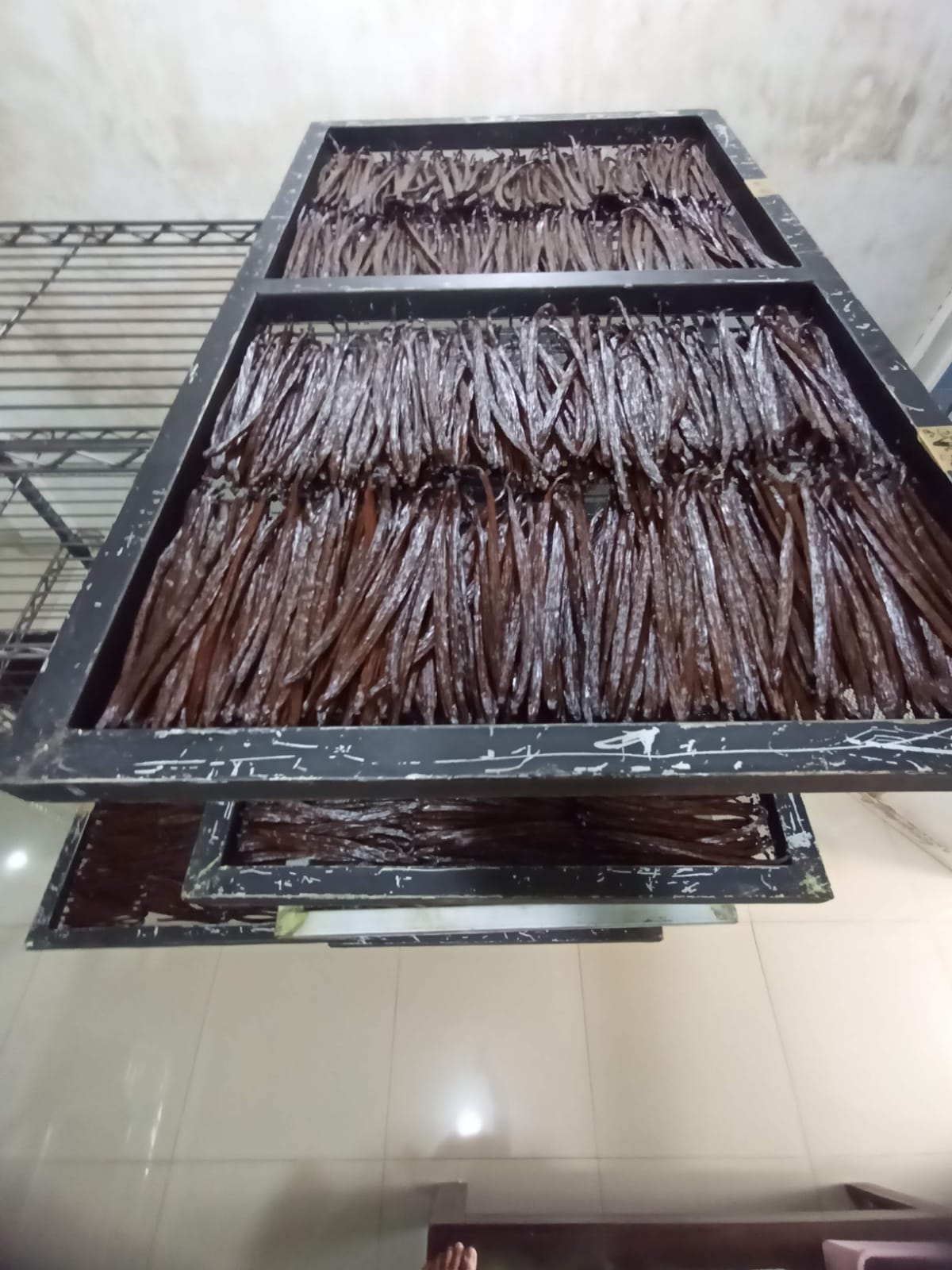
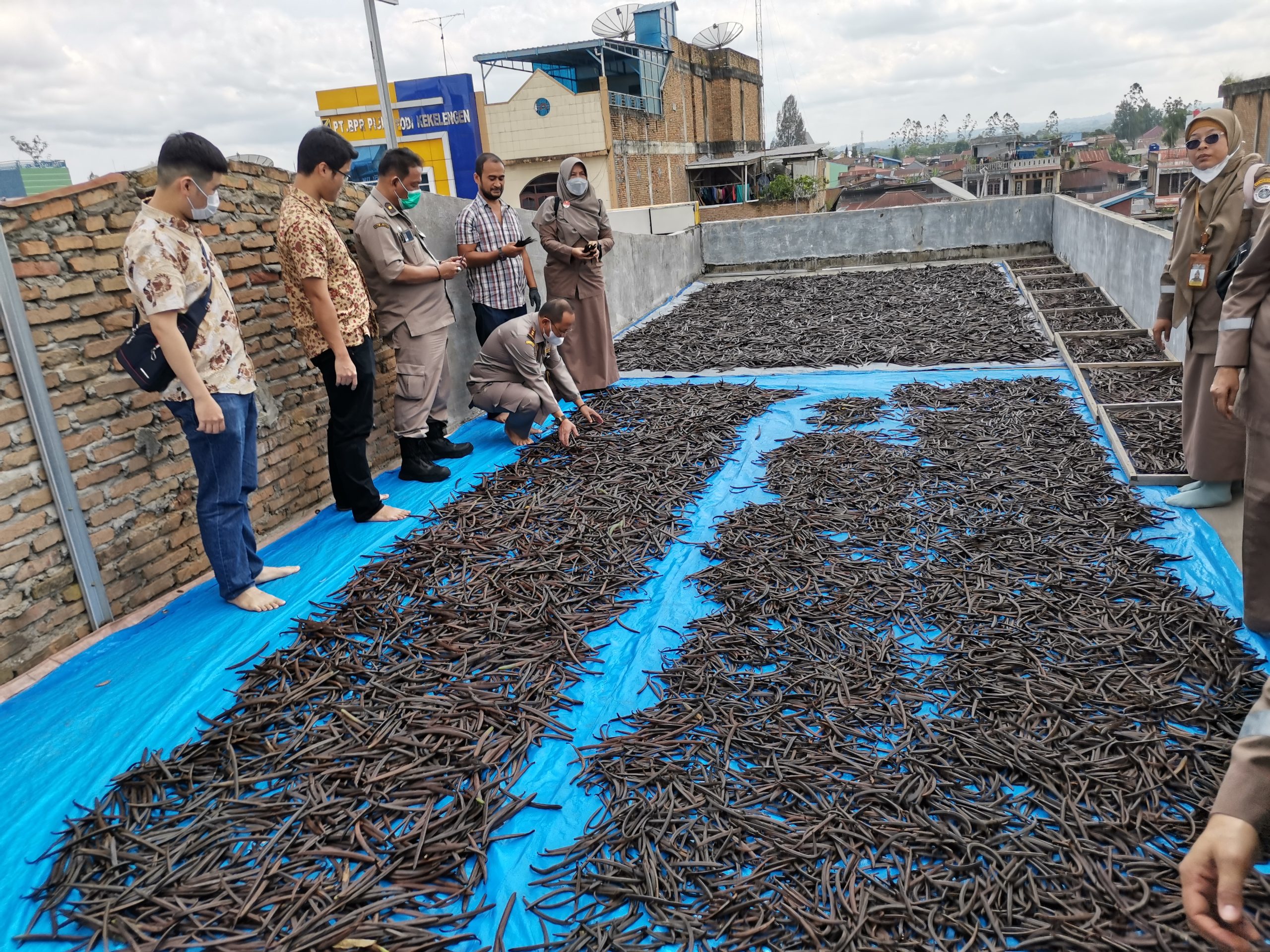
Traditional curing — as practised across Vanillature’s 500+ smallholder farms — begins with a 60–65°C blanching step that halts vegetative growth. Beans then enter a sweating phase, alternating between warm wrapping and sun exposure for 3–6 months. Each sun-drying cycle activates the beta-glucosidase enzymes that cleave glucovanillin into free vanillin (Havkin-Frenkel & Belanger, 2011).
The slow, traditional process also allows secondary phenolic compounds — including p-hydroxybenzaldehyde and vanillic acid — to develop. These secondary compounds are precisely the ones that create harmonic overlap with cacao’s fermentation phenolics, deepening the reason why vanilla and chocolate go together beyond simple vanillin concentration alone.
How to Use Indonesian Vanilla with Dark Chocolate
The chemical pairing is most effective with dark chocolate at 65–85% cacao, where theobromine concentration is highest and the vanillin-sweetening effect is most pronounced.
For ganache and truffles, split a Grade A Sumatra Planifolia bean lengthwise and steep it in warm cream at 80°C for 12 minutes before adding the chocolate. The fat in the cream extracts both vanillin and the 250+ supporting aroma compounds. The resulting ganache needs 15–20% less sugar than recipes using synthetic vanillin to achieve the same perceived sweetness.
For hot chocolate, use Vanillature’s Crystal Vanilla scraped directly into the cup. At 3.5–4% vanillin, a single half-pod provides enough compound concentration to fully round a 250ml serving of 70% dark drinking chocolate.
Grade B beans — with 15–25% moisture and vanillin above 1.0% — work efficiently in long-infusion applications like chocolate ice cream bases, where the extended cold-steep time compensates for lower initial vanillin concentration. The pairing mechanism is identical; only the extraction method changes.
Dark chocolate ganache with Grade A Sumatra Planifolia — the phenolic pairing in practice
Frequently Asked Questions
Taste the Chemistry in Every Bean
Vanillature’s Sumatra Planifolia tests above 2.5% vanillin — the compound that makes dark chocolate taste sweeter without extra sugar. Every bean passes a 5-stage quality sort before leaving our farms at 680 metres above sea level in North Sumatra.
Vanillature holds a 5.0 star rating from 174+ verified buyers on eBay, with additional verified ratings on Shopee and TikTok Shop Indonesia — independently confirmed quality across three separate platforms.
Vanillature (PT. Sumber Bukit Jaya) — Jl. Prof. H.M. Yamin SH No. 224M, Medan, North Sumatra 20234, Indonesia — +62 878-6986-1288
