


Vanilla Knowledge
Is Vanilla Good for You? The Evidence Behind Vanilla’s Health Properties
Aug
Is Vanilla Good for You? The Evidence Behind Vanilla’s Health Properties
Vanillin — the primary bioactive compound in real vanilla — tests at over 300 μmol TE/g on the ORAC antioxidant scale. That single number is why vanilla health benefits deserve serious scientific attention, not just a wellness marketing badge.
What Real Vanilla Actually Contains
Synthetic vanillin contains exactly 1 flavour compound — vanillin — produced from lignin or guaiacol in an industrial reactor. Real vanilla bean extract contains 250+ naturally occurring compounds, including vanillic acid, p-hydroxybenzaldehyde, heliotropin, and a range of phenolic antioxidants that work synergistically in the body.
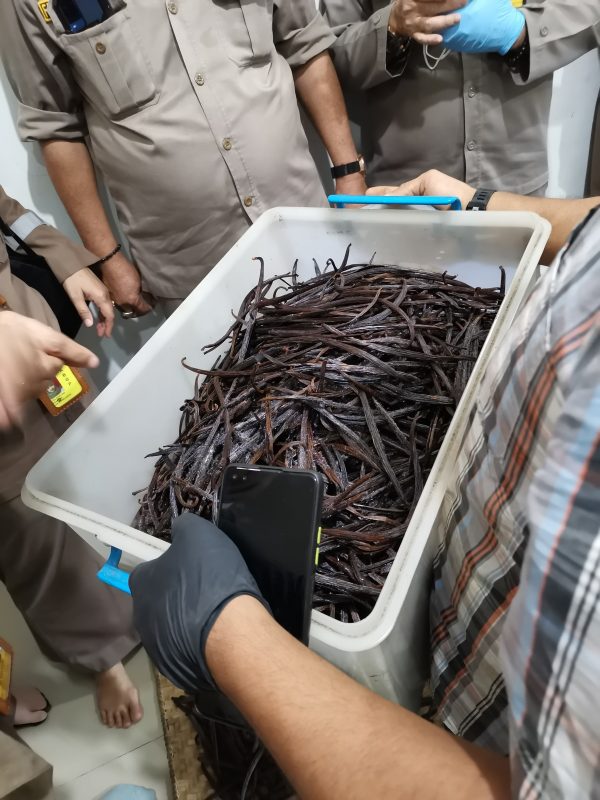
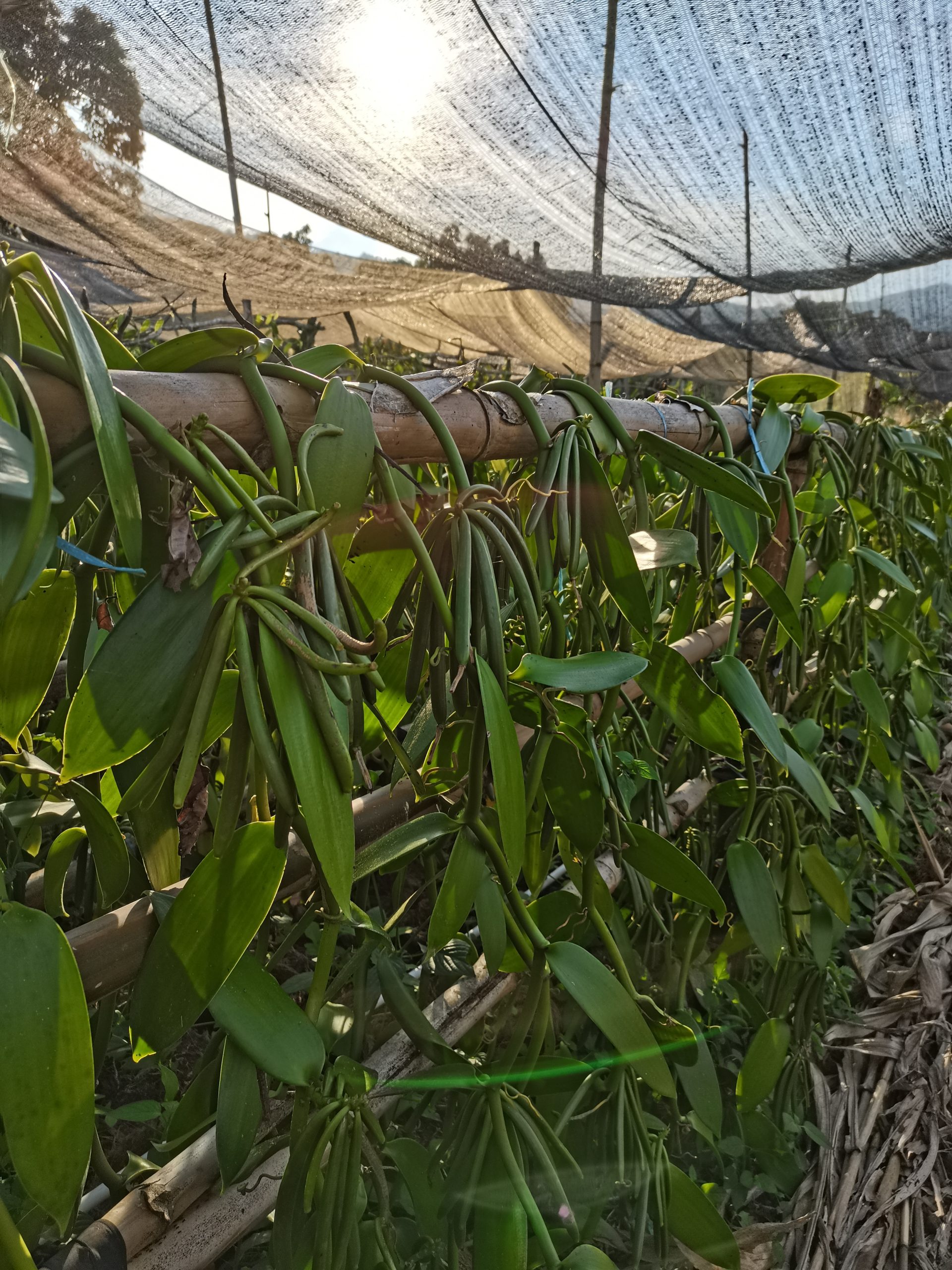
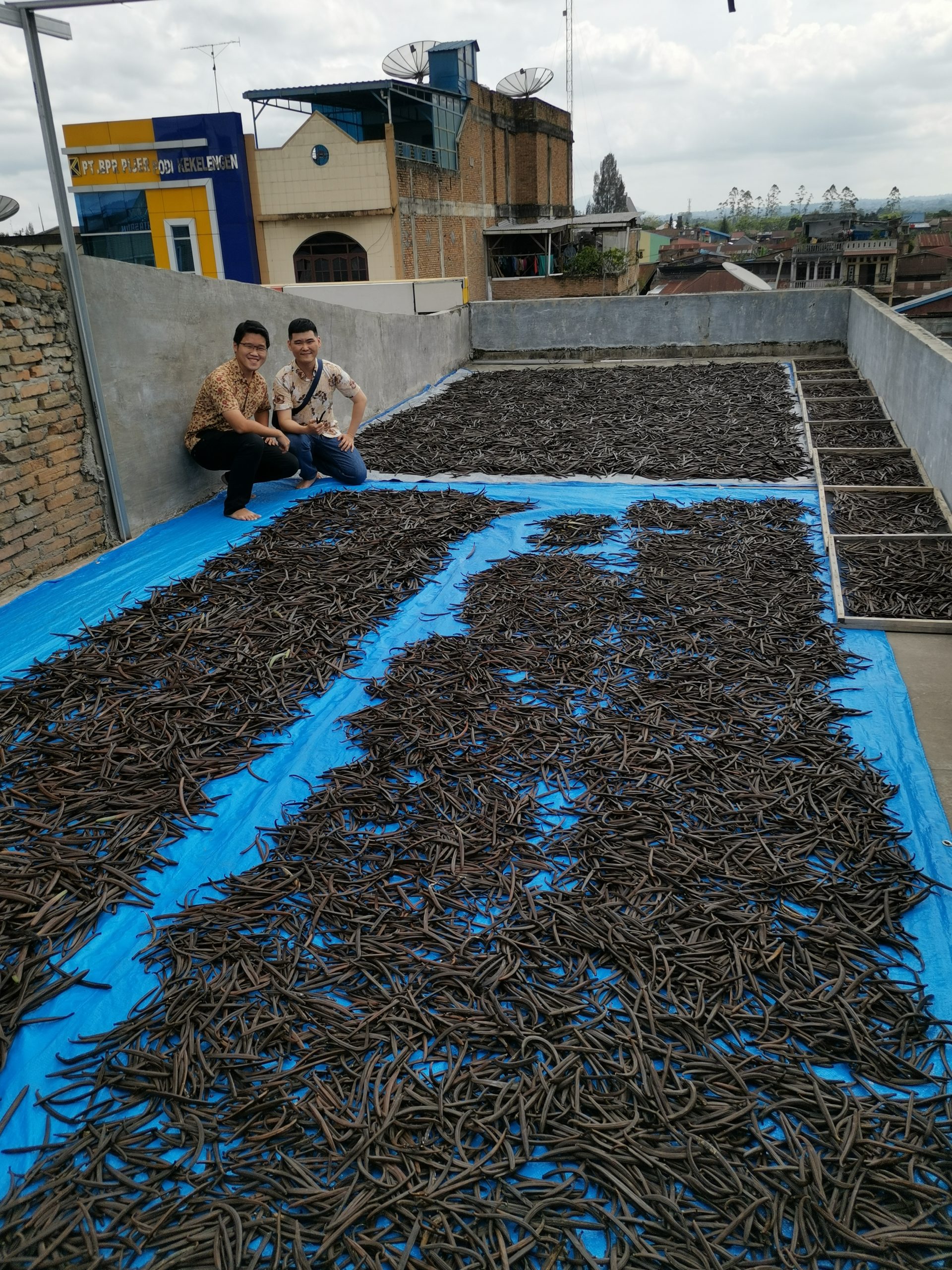
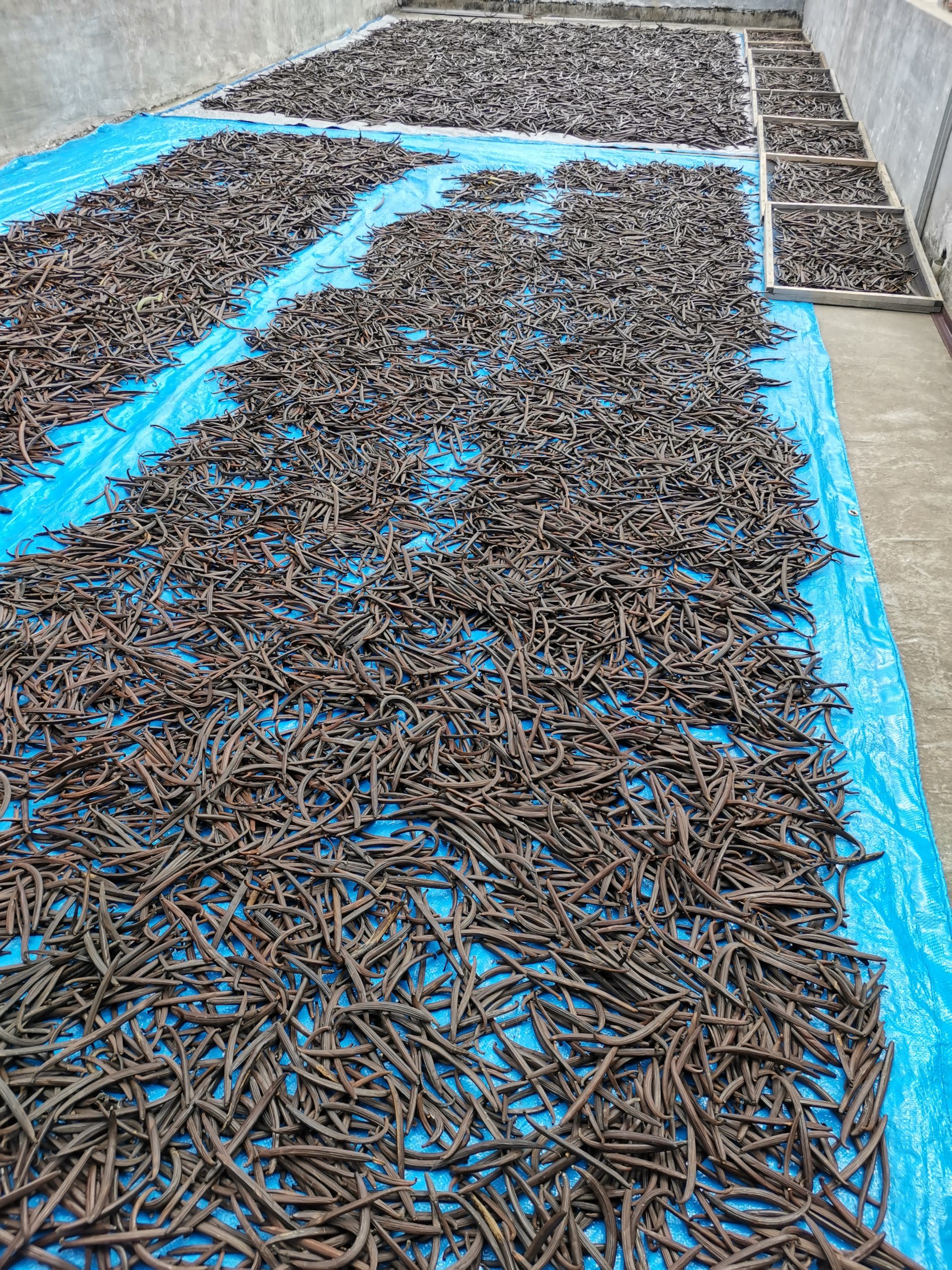
That compound complexity is not accidental. It is the direct result of 9 months of maturation on the vine, followed by 3–6 months of traditional sun curing — a slow enzymatic process that converts the glucoside glucovanillin into free vanillin and unlocks dozens of secondary flavour and bioactive molecules (Havkin-Frenkel & Belanger, 2011).
At Vanillature, our Sumatra Planifolia beans consistently test above 2.5% vanillin — against an industry average of 1.5–2.0%. That higher vanillin concentration directly correlates with stronger antioxidant activity in the finished extract.
The Antioxidant Evidence: What Bythrow (2005) Found
Vanillin’s antioxidant capacity is the most robustly studied of its vanilla health benefits. Research published in the Journal of Food Chemistry identified vanillin as a meaningful free-radical scavenger with demonstrated anti-inflammatory potential at the cellular level (Bythrow, 2005).
The ORAC value for vanillin exceeds 300 μmol TE/g — a measurement that places it alongside well-recognised polyphenol sources. Free radicals drive oxidative stress, which is a contributing factor in cardiovascular disease, neurological decline, and chronic inflammation. Antioxidants neutralise those radicals before cellular damage accumulates.
The key distinction: these effects require the full phenolic profile of real vanilla. Synthetic vanillin — used in 99% of commercially flavoured products — delivers none of the supporting compounds that amplify vanillin’s bioactivity in the whole extract.
Anti-Nausea and Mood: Aromatherapy Evidence
One of the more clinically observed vanilla health benefits is its effect on nausea and anxiety — delivered through aroma alone, not ingestion. A 2004 Memorial Sloan Kettering study found that patients undergoing MRI reported 63% less anxiety when heliotropin (a vanilla-scent compound) was diffused in the room compared to a control group.
Heliotropin is present in real vanilla extract at measurable concentrations. It is absent from synthetic vanillin. This is a critical distinction when evaluating aromatherapy claims — the compound responsible for the anxiolytic effect simply does not exist in the lab-produced version.
Anti-nausea effects follow a similar logic. Vanilla aroma activates olfactory pathways that modulate the vagus nerve, which regulates the gut-brain axis. Clinical midwifery settings have used vanilla scent as a non-pharmacological support tool for pregnancy-related nausea, though large-scale randomised controlled trials remain limited in number.
“We cure slowly — sometimes 5 full months under the sun before the bean is ready. Rushed curing loses the deep scent. Slow curing keeps it strong. People can smell the difference, and now I understand why that smell matters for more than just cooking.”
— Bu Sari, vanilla farmer, Deli Serdang, North Sumatra, 11 years cultivating Planifolia
Neuroprotective Properties: Emerging Research
Vanillin’s structure — a simple phenolic aldehyde — allows it to cross the blood-brain barrier more readily than many larger polyphenols. Laboratory studies in the 2010s identified vanillin as a potential inhibitor of amyloid-beta aggregation, the protein clumping mechanism implicated in Alzheimer’s disease progression.
These findings are promising but require important context. Nearly all neuroprotective research uses isolated vanillin in cell or animal models — not human clinical trials at dietary doses. Vanillature does not claim vanilla cures or prevents neurological disease. The science is early-stage and warrants ongoing investigation.
What the research does confirm: vanillin is biologically active beyond simple flavour. The 250+ compound profile of real vanilla extract — built over 15 months from flower pollination to finished bean — creates a bioactive complexity that no synthetic substitute replicates.
🌿 Honest summary: Real vanilla delivers antioxidant, mood-modulating, and potential neuroprotective compounds with genuine research support. Synthetic vanillin delivers flavour only. For any health consideration, only real vanilla extract qualifies — and origin and vanillin content determine potency.
How to Use Real Vanilla for Maximum Bioactive Benefit
The highest vanillin concentration in Vanillature’s range sits in our Crystal Vanilla beans, which test at 3.5–4% vanillin. The visible white crystals on the bean surface are not mould or sugar — they are concentrated vanillin that has precipitated through the outer skin during the curing process.
Grade A beans carry moisture of 30–35% and vanillin above 2.0%, making them the optimal choice for cold extractions where volatile aromatic compounds are preserved. Heat degrades some phenolic structures, so cold-brew vanilla extracts or direct bean infusions in fat (butter, cream, oil) retain more of the bioactive profile than high-temperature baking applications.
Our 500+ smallholder farmers in North Sumatra and Papua harvest at exactly 9 months of vine maturity. Beans picked earlier have lower glucoside conversion rates, which means fewer free phenolics after curing — and reduced vanilla health benefits in the finished extract. Timing is not a preference; it is a biochemistry requirement.
Frequently Asked Questions
Yes — vanillin, vanilla’s primary phenolic compound, tests above 300 μmol TE/g on the ORAC antioxidant scale. Research published in the Journal of Food Chemistry identified vanillin as a free-radical scavenger with anti-inflammatory potential at the cellular level (Bythrow, 2005). These effects apply to real vanilla extract, which contains 250+ active compounds. Synthetic vanillin contains only 1 compound and delivers no equivalent antioxidant activity.
Clinical evidence supports vanilla aroma — specifically heliotropin — as a nausea and anxiety moderator. A 2004 Memorial Sloan Kettering study recorded a 63% reduction in procedure-related anxiety when heliotropin was diffused in an MRI suite. Heliotropin is a naturally occurring compound in real vanilla extract. It does not exist in synthetic vanillin, making origin the critical variable for any aromatherapy application.
Real vanilla extract contains 250+ bioactive compounds built over 15 months of cultivation and curing. Synthetic vanillin contains exactly 1 compound — vanillin — produced industrially from lignin or guaiacol. All documented vanilla health benefits — antioxidant activity, anxiolytic aroma, potential neuroprotective action — require the full phenolic profile of real vanilla. Synthetic vanillin provides flavour only; no supporting research confirms equivalent health properties.
Vanillature Crystal Vanilla beans carry the highest vanillin concentration in the range — testing at 3.5–4% vanillin. The surface crystals visible on the bean are precipitated vanillin, not mould or sugar. Standard Sumatra Planifolia Grade A beans test consistently above 2.5% vanillin, compared to an industry average of 1.5–2.0%. For maximum bioactive extraction, cold-brew infusion methods preserve more of the phenolic profile than high-heat cooking applications.
Bythrow, J.D. (2005). Vanillin as a food ingredient and antioxidant: Bioactive properties of phenolic aldehydes. Journal of Food Chemistry.
Havkin-Frenkel, D. & Belanger, F.C. (2011). Handbook of Plant and Crop Science — Vanilla curing and compound development.
Memorial Sloan Kettering Cancer Center (2004). Heliotropin aromatherapy study — MRI anxiety reduction.
Taste the Difference 250+ Compounds Make
Vanillature sources directly from 500+ smallholder farmers across North Sumatra and Papua. Every batch is 5-stage sorted and vanillin-tested before it ships.
Vanillature holds a 5.0 star rating from 174+ verified buyers on eBay, with additional verified ratings on Shopee and TikTok Shop Indonesia — independently confirmed quality across three separate platforms.
Vanillature (PT. Sumber Bukit Jaya) — Jl. Prof. H.M. Yamin SH No. 224M, Medan, North Sumatra 20234, Indonesia — +62 878-6986-1288
