


Vanilla Knowledge
Grade A vs Grade B Vanilla Beans: Which One Should You Buy?
Aug
Grade A vs Grade B Vanilla Beans: Which One Should You Buy?
Both Grade A and Grade B vanilla beans from Vanillature’s Sumatra farms test above 2.5% vanillin — the difference is moisture, not flavour. The right grade depends entirely on how you plan to use them.
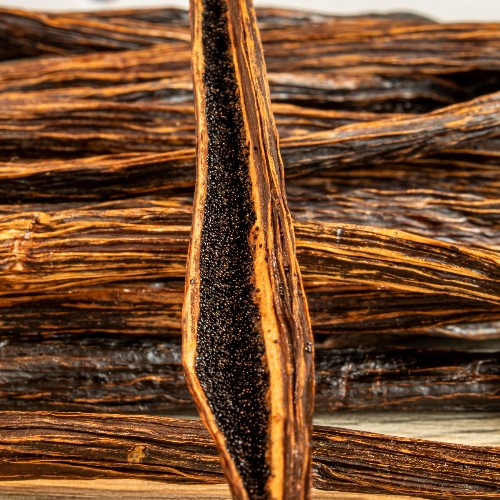
Grade A moisture content — moist, supple, ready to split and scrape
Vanillin in both grades — same oil content, verified per batch
Typical price difference — Grade B costs less without sacrificing flavour compounds
What Vanilla Bean Grades Actually Mean
Vanilla grading is a measure of physical condition — primarily moisture level and bean length — not flavour potency. Dunphy et al. (2020) Food Chemistry established that vanillin concentration is not reliably predicted by grade classification alone. Both Grade A and Grade B beans from the same crop carry comparable aromatic oil profiles.
At Vanillature, we run a 5-stage quality sorting process on every harvest from our 500+ smallholder farmers across North Sumatra and Papua. Grade is assigned after this sorting based on two measurable criteria: moisture content and bean integrity. Flavour chemistry is assessed separately for each batch.
Grade A Vanilla Beans: Moist, Plump, and Ready to Use
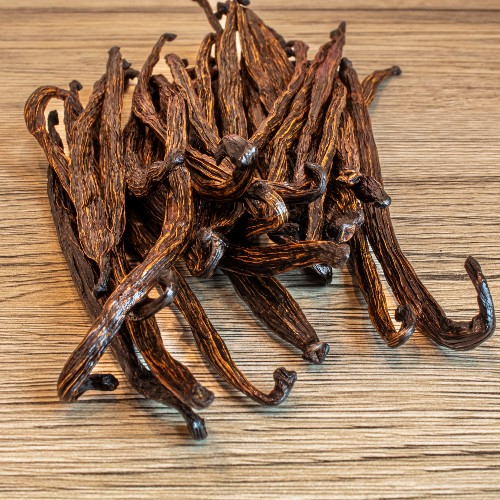
Grade A vanilla beans carry a moisture content of 25–35%. This makes them visibly supple and oily to the touch. At 680 metres above sea level in North Sumatra, the slower drying conditions during our 3–6 month sun-curing phase naturally preserve this moisture in beans selected for Grade A classification.
These beans split and scrape cleanly. The seeds — the black paste inside the pod — disperse evenly into batters, creams, ice cream bases, and custards. A single Grade A Sumatra Planifolia bean from Vanillature delivers consistent vanillin above 2.0% directly from the pod, meeting our published Grade A specification.
Grade A is the standard choice for pastry chefs and home bakers who want visible specks and direct pod use. The 25–35% moisture range is what makes Grade A beans premium to handle — but it also means they carry a higher price per bean.
Ice cream, crème brûlée, panna cotta, custards, pastry cream, direct infusion into dairy. Any preparation where the whole bean or scraped seeds contact the dish directly.
Grade B Vanilla Beans: Drier, Same Oils, Built for Extraction
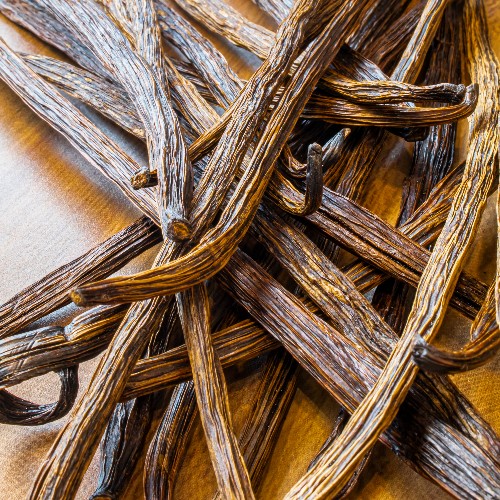
Grade B vanilla beans from Vanillature carry a moisture content of 15–25%. Lower moisture does not mean lower vanillin. Our Grade B beans test above 1.0% vanillin by specification — and our Sumatra Planifolia regularly exceeds 2.5%, well above the industry average of 1.5–2.0%.
The drier cell structure of Grade B beans actually accelerates extraction. When submerged in alcohol for vanilla extract production, the reduced moisture allows the solvent to penetrate the bean walls faster and draw out aromatic compounds more efficiently. Dunphy et al. (2020) Food Chemistry confirmed that lower-moisture beans show comparable vanillin yield in alcohol extraction to higher-moisture counterparts from the same crop.
“When I choose beans for extract, I always look for the drier ones. Less water means the alcohol gets into the bean faster. The flavour is all still there — it just comes out in the bottle instead of the pod.”
— Pak Rudi, vanilla farmer, Tapanuli, North Sumatra, 9 years cultivating Planifolia
Grade B beans typically cost 40–60% less per gram than Grade A. For extract makers, this price advantage is significant because extract production requires large quantities — usually a minimum ratio of 100g of beans per 750ml of alcohol for a strong single-fold extract.
Vanilla extract, vanilla sugar, infused spirits, compound butter, spice blends, and any application where the bean is strained out before serving. Grade B gives you the full flavour at a fraction of the cost.
Grade A vs Grade B Vanilla Beans: Full Comparison
The table below summarises every measurable difference between the two grades. Both originate from the same Sumatra Planifolia harvest — the same 500+ farmer network, the same 9-month vine maturation, and the same 3–6 month curing cycle. Grading happens after curing, not before.
| Characteristic | Grade A | Grade B |
|---|---|---|
| Moisture Content | 25–35% | 15–25% |
| Minimum Vanillin | Above 2.0% | Above 1.0% (typically 2.5%+) |
| Bean Texture | Supple, oily, flexible | Firmer, drier, slightly brittle |
| Visual Appearance | Dark brown, glossy surface | Brown to dark brown, matte surface |
| Vanilla Crystals | Rare — moisture prevents crystallisation | More common — vanillin concentrates on surface |
| Best Use | Direct pod use, scraping, infusion | Extract, vanilla sugar, alcohol infusion |
| Price vs Grade A | — | Typically 40–60% less per gram |
| Shelf Life (sealed) | Up to 2 years | Up to 4 years |
| Origin (Vanillature) | Sumatra Planifolia, 680m elevation | Sumatra Planifolia, 680m elevation |
How to Choose Between Grade A and Grade B
The decision is straightforward once you know the end use. If the bean itself appears in the final dish — as scraped seeds in an ice cream, a split pod steeping in warm cream, or a whole bean in a poaching liquid — choose Grade A. The 25–35% moisture content keeps the pod pliable and easy to work with over multiple infusions.
If the bean is a raw ingredient for something else — a homemade extract, an infused vodka, a vanilla syrup strained before bottling — choose Grade B. You receive the same Sumatra Planifolia vanillin at 2.5%+ in a form optimised for extraction, at 40–60% lower cost per batch. The alcohol does the work. The dryness of Grade B beans is an advantage, not a limitation.
For commercial extract makers and wholesale buyers producing at volume, Grade B is the economically rational choice. Vanillature supplies Grade B to extract producers across Indonesia and internationally — our 5-stage sorting ensures consistent moisture and vanillin figures across every kilogram shipped.
Frequently Asked Questions
No. Grade B vanilla beans carry the same vanillin compounds as Grade A beans from the same crop. Vanillature’s Sumatra Planifolia Grade B tests above 2.5% vanillin — identical to our Grade A specification and well above the industry average of 1.5–2.0%. The grade reflects moisture content (15–25% for Grade B vs 25–35% for Grade A), not flavour intensity. Dunphy et al. (2020) Food Chemistry confirmed that vanillin concentration is not reliably predicted by grade classification alone.
Yes, Grade B vanilla beans work in baking and cooking. They are drier and slightly more brittle than Grade A beans, so scraping the seeds requires a little more care. However, they infuse superbly into warm liquids, sugars, and syrups. For any recipe where the bean is strained out — a crème anglaise base, a spiced poaching liquid, or a vanilla simple syrup — Grade B delivers the same aromatic result at 40–60% lower cost per bean.
A standard single-fold extract requires approximately 100g of vanilla beans per 750ml of alcohol at 35–40% ABV. Grade B beans are the industry standard choice for extract production precisely because they cost 40–60% less than Grade A while delivering the same vanillin yield in alcohol extraction. Split each bean lengthwise before submerging. Minimum extraction time is 8 weeks; 6 months produces a significantly deeper extract from Sumatra Planifolia beans testing above 2.5% vanillin.
Grade A vanilla beans carry a moisture content of 25–35%, giving them a supple, pliable texture and a slightly oily surface. Grade B vanilla beans carry a moisture content of 15–25%, producing a firmer, drier bean. Both grades reach these moisture levels after the same 3–6 month traditional sun-curing process. Vanillature assigns grade classification after curing using a 5-stage sorting process — the underlying vanillin concentration in both grades remains above 2.5% for our Sumatra Planifolia crop.
