


Vanilla Knowledge
How to Make Vanilla Extract at Home (Using the Right Beans)

Aug
How to Make Vanilla Extract at Home Using the Right Beans
Most supermarket vanilla extract contains as little as 1 vanilla bean per litre — a fact that explains the watery, synthetic taste. Homemade vanilla extract, made correctly, uses 5–6 beans per 250 ml. The difference in flavour depth is immediate and irreversible: once you taste it, the bottle from the shops stays on the shelf.
Learning how to make vanilla extract at home takes under 10 minutes of active preparation. The rest is patience. This guide covers every step — bean selection, alcohol choice, ratios, storage, and tasting timelines — drawn from the farms in North Sumatra where Vanillature sources directly from 500+ smallholder farmers.
Vanilla beans per 250 ml for full-strength extract
Minimum alcohol by volume required for safe extraction
Minimum 8 weeks; 12 weeks optimal for peak flavour
Why Grade B Beans Are the Correct Choice for Extraction
Grade A beans are plump, moist, and visually spectacular — they belong on a panna cotta or sliced into a crème brûlée. Grade B beans serve a different purpose. With moisture at 15–25% (versus 30–35% for Grade A), Grade B beans still contain vanillin above 1.0%, and the drier structure releases compounds into alcohol more efficiently than their moister counterparts.
Grade B beans also save 40–60% compared to Grade A on a per-gram basis. For extraction, where dozens of beans disappear into a bottle, this cost difference matters considerably. At Vanillature, we test every batch of Grade B beans against our 5-stage quality sorting process before they leave the facility.
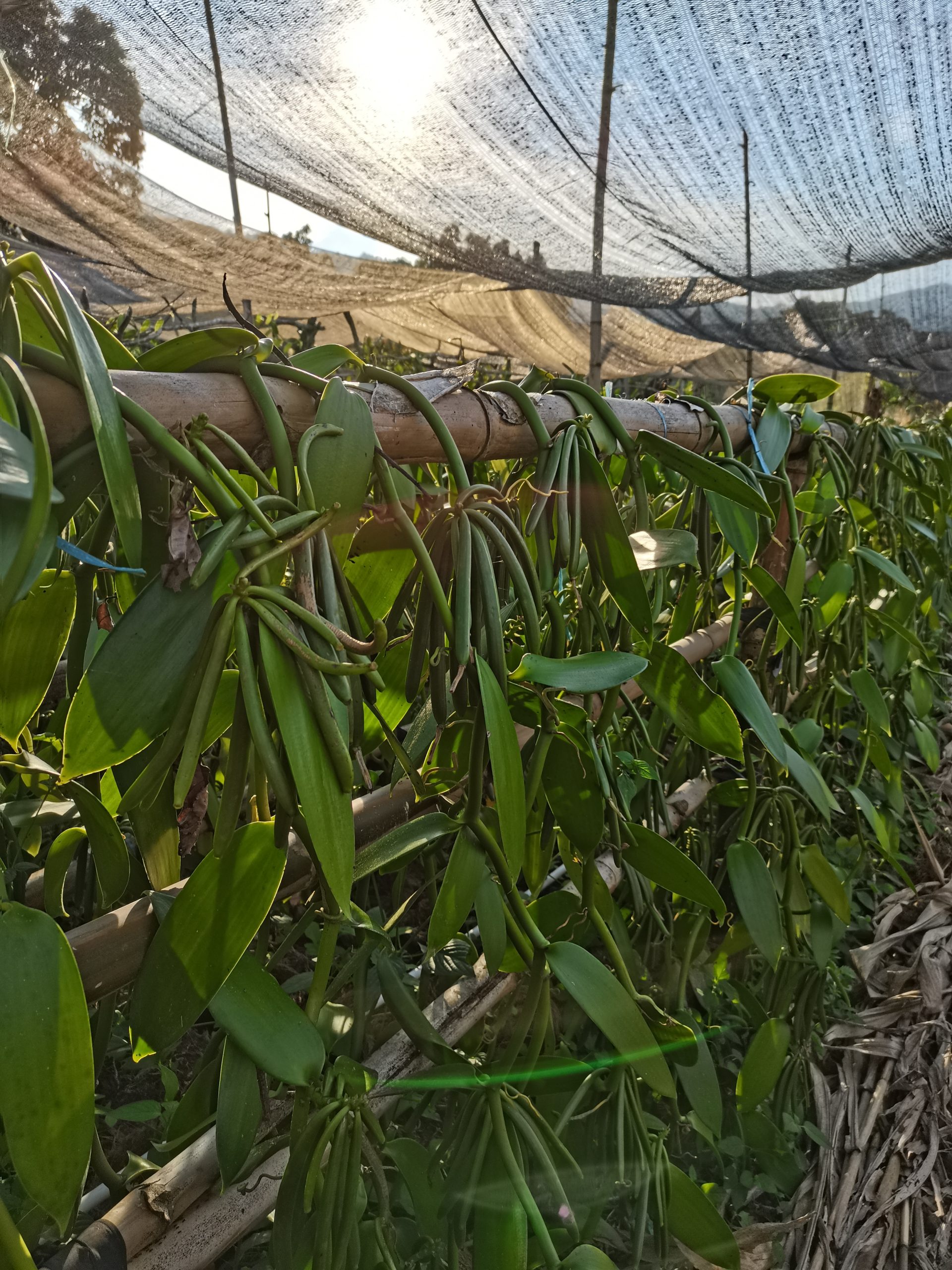
“Grade B beans look less perfect, but the flavour inside is the same. I always tell people — the beauty is for the eye, but the vanillin is for the nose and tongue. For extract, you want the vanillin, not the looks.”
— Pak Budi, vanilla farmer, North Sumatra, 14 years cultivating Planifolia
Vanillature’s Sumatra Planifolia Grade B beans consistently carry vanillin above 1.0%, with the same geographic origin — 680 metres above sea level in North Sumatra — as the Grade A line. The terroir does not change based on moisture classification.
The Bean-to-Alcohol Ratio That Actually Works
The US FDA sets the legal standard for vanilla extract at 13.35 oz of vanilla beans per gallon of 35% alcohol (FDA Code of Federal Regulations, 21 CFR 169.175). Translated to home quantities, that equates to roughly 5–6 beans per 250 ml of liquid. Use fewer beans and you produce vanilla-flavoured alcohol, not extract.
Split each bean lengthwise before submerging. A single cut exposes the interior seed cavity — the source of roughly 85% of the total vanillin yield. Beans left whole extract at approximately half the rate of split beans over the same period.
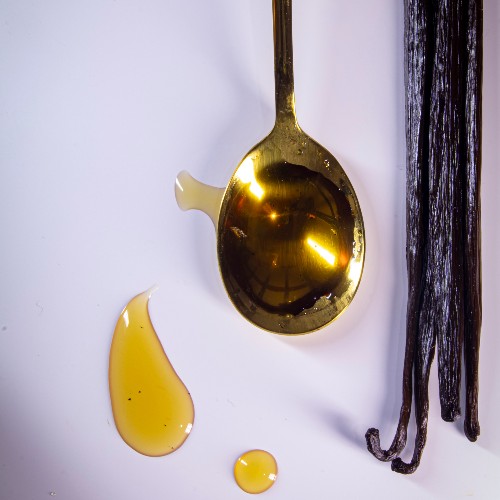
Vodka, Rum, or Bourbon — Which Alcohol to Choose
Any alcohol at 40% ABV (80 proof) or above extracts vanillin safely and effectively. The alcohol must reach 40% minimum; below that threshold, water content inhibits extraction and risks microbial activity over a 12-week infusion period.
Vodka produces the cleanest result — neutral alcohol lets the vanilla speak without interference. Rum adds caramel and molasses undertones that complement warm baked goods. Bourbon brings oak and spice, making it excellent for cookies and bread. Choose based on your most common baking application, not based on which bottle costs least.
Vodka (40% ABV+) = neutral and versatile. Dark rum (40% ABV+) = caramel-forward. Bourbon (40% ABV+) = spiced and warm. All three produce genuine vanilla extract when used with 5–6 Grade B beans per 250 ml.
Step-by-Step: How to Make Vanilla Extract at Home
The process requires 4 items: Grade B vanilla beans, 40% ABV alcohol, a sterilised dark glass bottle, and 8 weeks minimum of patience.
- Step 1 — Count your beans. Use 5–6 Grade B beans per 250 ml of alcohol. Scale proportionally for larger batches.
- Step 2 — Split the beans. Draw a sharp knife along the length of each bean. Leave the tip connected if you prefer — this keeps seeds inside the pod during infusion.
- Step 3 — Fill the bottle. Place split beans in a sterilised dark glass bottle. Pour alcohol to fill. Dark glass blocks UV degradation of vanillin compounds.
- Step 4 — Seal and shake. Cap the bottle and shake for 30 seconds. Store at room temperature, away from direct light and heat above 25°C.
- Step 5 — Shake weekly, taste at 8 weeks. The extract reaches usable strength at 8 weeks. At 12 weeks, flavour complexity peaks — richer, rounder, with the heliotropin and eugenol notes that Sumatra Planifolia carries at vanillin levels above 2.5% in the source beans.
Top up the bottle with fresh alcohol as you use the extract. The same beans continue producing flavour for up to 2 years before potency drops noticeably. A single set of 5–6 beans at Grade B price delivers significantly more value than any equivalent supermarket bottle.
What the Finished Extract Should Taste and Smell Like
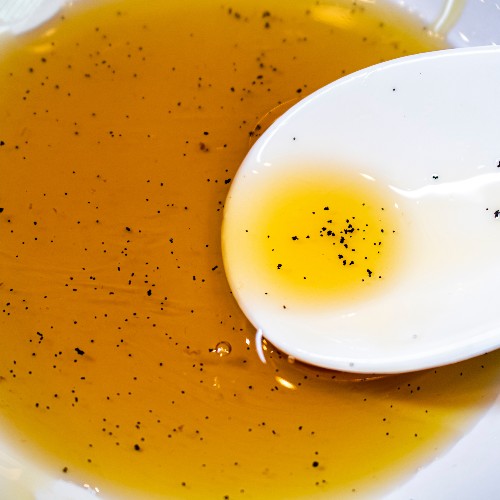
At 8 weeks, the liquid turns a deep amber-mahogany — darker than most commercial extracts, which often use artificial colour. The aroma carries warm caramel, dried fig, and a distinctive floral note. That floral character comes from heliotropin, a secondary compound present in well-cured Planifolia beans that spent 3–6 months in traditional sun curing (Havkin-Frenkel & Belanger, 2011).
On the palate, a drop on the fingertip tastes intensely vanilla — slightly alcoholic, then smooth, with no synthetic sharpness. If you detect a sharp chemical edge, the beans were lower quality or the infusion time was too short. At 12 weeks with Sumatra Planifolia Grade B, that edge does not exist.
Learning how to make vanilla extract at home is ultimately a lesson in bean quality. No technique compensates for beans that carried insufficient vanillin from the start. Indonesia produces approximately 2,300 tonnes of vanilla annually — ranking second globally behind Madagascar (FAO, 2023) — and the best of that production comes from Sumatra’s high-altitude farms. That is where Vanillature’s Grade B supply originates.
Frequently Asked Questions
Use 5–6 vanilla beans per 250 ml. This ratio meets the US FDA standard of identity for vanilla extract (21 CFR 169.175) and produces a full-strength result. Fewer than 5 beans per 250 ml yields a flavoured spirit, not extract.
40% ABV (80 proof) is the minimum. Below 40%, water content slows vanillin extraction and increases microbial risk over an 8–12 week infusion. Vodka, rum, and bourbon all work at standard 40% ABV bottling strength.
Grade B beans cost 40–60% less than Grade A and extract more efficiently due to lower moisture (15–25%). They still carry vanillin above 1.0%, which is fully sufficient for extraction. Grade A moisture (30–35%) slows alcohol penetration, making Grade B the technically superior — and more economical — choice for extract.
8 weeks minimum produces a usable extract. 12 weeks is optimal — at this point enzymatic and slow-cured compounds from the bean fully integrate with the alcohol, delivering the heliotropin and eugenol depth that characterises high-quality Sumatra Planifolia vanilla.
Start Your Extract with Sumatra Grade B Beans
Vanillature Grade B Planifolia beans carry vanillin above 1.0%, sourced from 500+ smallholder farmers at 680 metres above sea level in North Sumatra. They are the right bean for the job — tested, traceable, and 40–60% more economical than Grade A for extraction batches.
Vanillature holds a 5.0 star rating from 174+ verified buyers on eBay, with additional verified ratings on Shopee and TikTok Shop Indonesia — independently confirmed quality across three separate platforms.
Vanillature (PT. Sumber Bukit Jaya) — Jl. Prof. H.M. Yamin SH No. 224M, Medan, North Sumatra 20234, Indonesia — +62 878-6986-1288
