


Vanilla Knowledge
How to Store Vanilla Beans So They Last for Years

Aug
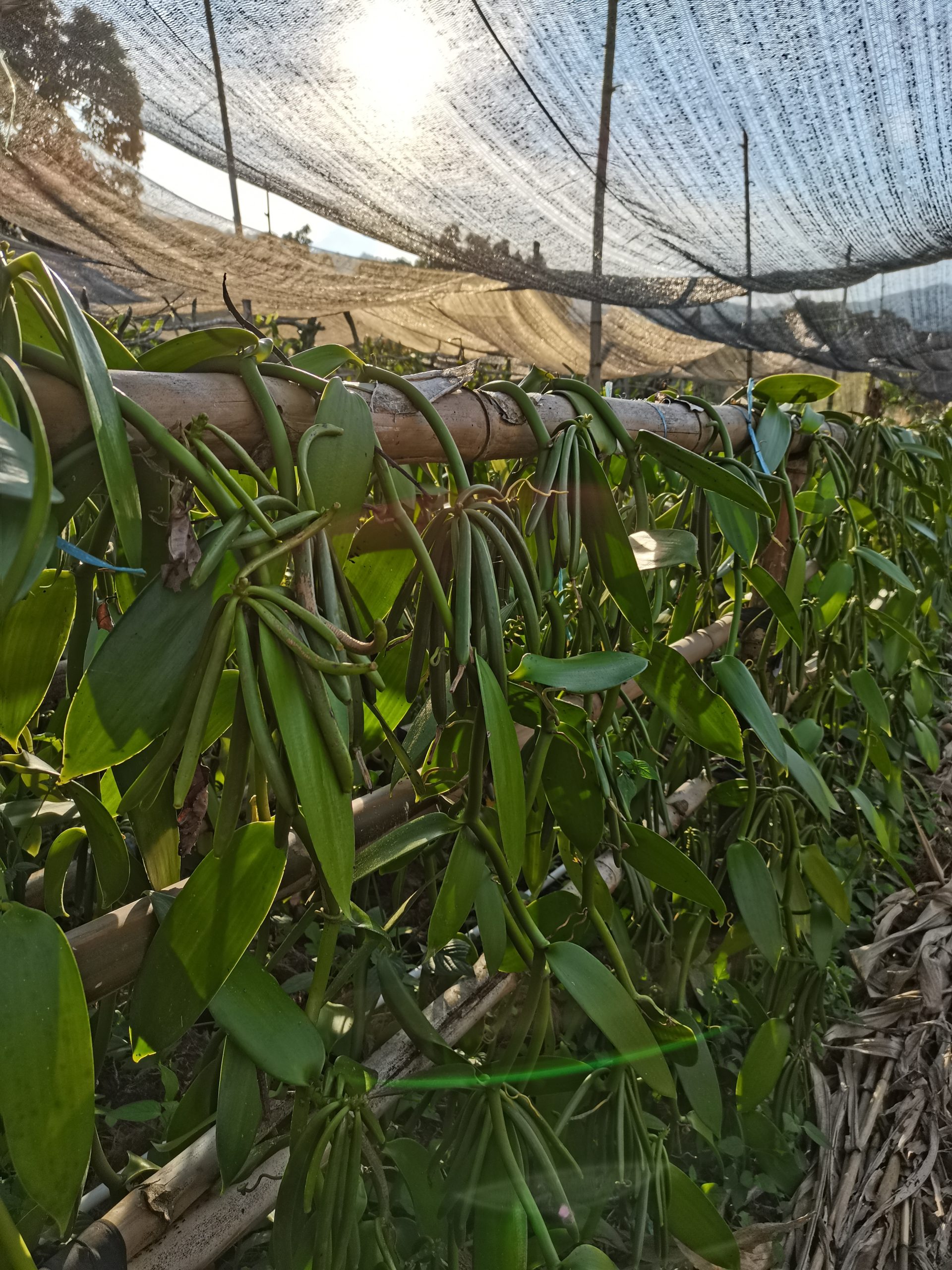
How to Store Vanilla Beans So They Last for Years
Vanilla beans stored correctly stay fresh and aromatic for 2–3 years. Stored incorrectly, they dry out within months. The single biggest mistake home cooks make is putting beans in the refrigerator — a cold, dry environment strips moisture and kills aroma faster than leaving them on an open shelf.
Why Proper Storage Decides Everything About Flavour
A Grade A vanilla bean arrives with 25–30% moisture and a vanillin content above 2.0%. Those 2 numbers are the markers of a premium bean — and both deteriorate with poor storage. Vanillin, the primary aromatic compound, is volatile. Expose it to heat, light, or dry air and it escapes within weeks (Havkin-Frenkel & Belanger, 2011).
Our Sumatra Planifolia beans test consistently above 2.5% vanillin — more than 25% above the industry average of 1.5–2.0%. Keeping that vanillin intact from our warehouse to your kitchen depends entirely on how you store vanilla beans after they arrive.
The Right Container: Airtight, Dark, and Room Temperature
Use an airtight glass jar or a vacuum-sealed tube. Glass does not absorb or emit odours, keeping the aromatic profile clean. A jar with a rubber-seal lid creates the near-zero air exchange environment that holds moisture at the 60–70% relative humidity sweet spot.
Plastic bags trap moisture unevenly and allow micro-permeation of air over time. After 3 months in a zip-lock bag, even a high-quality bean loses measurable flexibility and fragrance. The 15 months of labour that go into each finished bean — 9 months ripening on the vine, then 3–6 months of traditional sun curing — deserve better than a plastic bag in a drawer.
- Airtight glass jar or vacuum-sealed tube — not plastic
- Store at 15–25°C — a dark pantry cupboard, not the fridge
- Keep away from direct light — UV degrades vanillin rapidly
- Maintain 60–70% ambient humidity — avoid kitchens near steam sources
- Do not freeze — ice crystals rupture the bean’s cell walls irreversibly
Why the Refrigerator Is the Worst Place for Vanilla Beans
Refrigerators maintain roughly 35–40% relative humidity — half the 60–70% target. At that humidity level, beans lose moisture within 4–6 weeks and become brittle. A brittle bean cannot be split cleanly, yields fewer seeds, and releases a fraction of the aroma of a supple, well-stored specimen.
Cold temperatures also slow but do not stop mould risk. A bean that enters the fridge with any surface contamination can develop grey mould within 3 weeks of fluctuating temperature every time the door opens. The correct storage location is a cool, dark, stable cupboard held between 15°C and 25°C year-round.
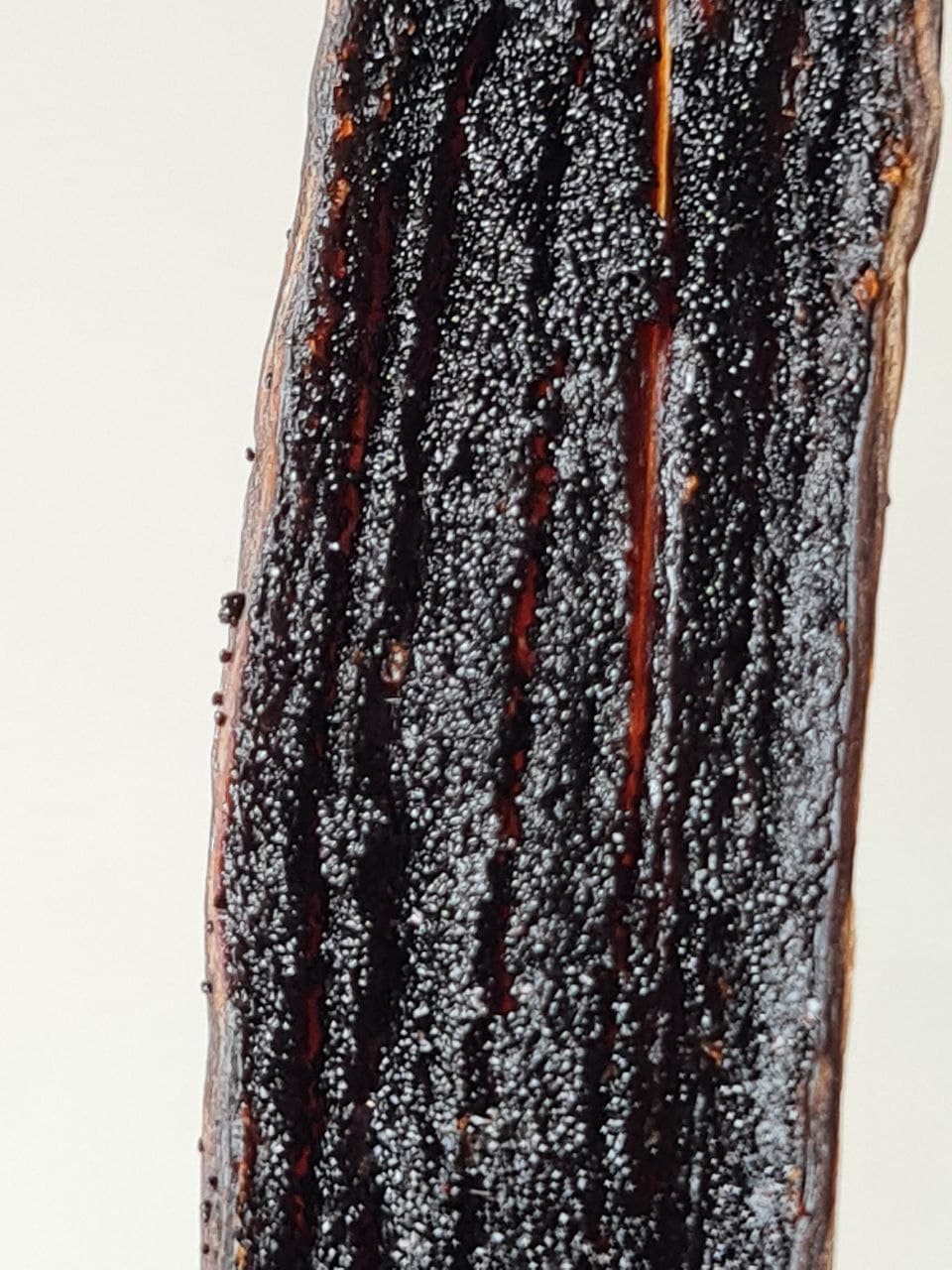
“When a bean leaves the drying racks at the right moisture — around 25 to 30 percent — it is in its best state. After that, your job is just to protect it from heat and dry air. A glass jar in a cool room does exactly that. A fridge undoes months of careful work in just a few weeks.”
How to Revive a Dried-Out Vanilla Bean
If a bean has dried out — firm, brittle, with moisture below 15% — it is not wasted. Submerge it in warm water at 40–50°C for 20 minutes. The bean rehydrates, regains flexibility, and releases aroma again. Use that soaking liquid directly in custards, sauces, or warm drinks — it carries genuine vanillin.
A fully revived bean will not match a freshly cured one with 25–30% moisture, but it delivers 80% of the flavour impact for cooking purposes. For vanilla sugar or extract-making, a dried bean is still fully functional — infuse it into 200ml of vodka for 8 weeks and the vanillin compounds extract regardless of surface moisture.
Signs a Vanilla Bean Has Actually Gone Bad
Knowing how to store vanilla beans also means knowing when to discard them. Most beans sold as “bad” are simply dried — and revivable. Genuine spoilage looks and smells different: visible grey or blue-green mould covering more than 20% of the bean surface, a sour or fermented odour replacing the warm sweet scent, or a hollow, paper-thin texture with zero flexibility even after rehydration.
Small white crystals on a bean surface are not spoilage — they are vanillin crystals, a sign of exceptional quality. Our Crystal Vanilla beans carry vanillin concentrations of 3.5–4%, the highest in our range. Those surface crystals are pure concentrated flavour. Do not wipe them off.
- White surface crystals → vanillin bloom, exceptional quality, keep and use
- Dry and brittle bean → low moisture, revive in warm water at 40–50°C
- Grey or blue-green mould patches → discard, cannot be salvaged safely
- Sour or alcoholic smell → bacterial fermentation, discard immediately
Frequently Asked Questions About Storing Vanilla Beans
Correctly stored vanilla beans last 2–3 years without significant loss of flavour or vanillin content. The key conditions are an airtight glass container, a temperature of 15–25°C, and relative humidity of 60–70%. Grade A beans — with moisture at 25–30% and vanillin above 2.0% — hold their quality longest under these conditions (Havkin-Frenkel & Belanger, 2011).
No — the refrigerator is actively harmful to vanilla beans. Refrigerators maintain roughly 35–40% relative humidity, half the 60–70% optimal range, causing beans to lose moisture and become brittle within 4–6 weeks. Cold temperatures also create condensation risk each time the door opens, which accelerates mould growth. Store vanilla beans in a cool, dark pantry cupboard between 15°C and 25°C instead.
Submerge the dried bean in warm water at 40–50°C for 20 minutes. This rehydrates the bean, restores flexibility, and reactivates surface vanillin. The soaking water itself carries aromatic compounds and can be added directly to sauces, custards, or warm drinks. A revived bean delivers approximately 80% of the flavour impact of a freshly cured bean with 25–30% moisture.
White surface crystals on vanilla beans are pure vanillin — the primary aromatic compound — that has migrated to the surface during extended curing. They are a mark of exceptional quality, not spoilage. Vanillature’s Crystal Vanilla beans carry surface vanillin concentrations of 3.5–4%, the highest in our range. Do not wipe the crystals off; they represent the most concentrated flavour on the bean.
Start With a Bean Worth Storing
Storage only matters when the bean is worth preserving. Our Grade A Sumatra Planifolia beans arrive at 25–30% moisture with vanillin above 2.5% — cured by 500+ smallholder farmers across North Sumatra using 3–6 months of traditional sun curing. That is the bean your pantry jar deserves.
Vanillature holds a 5.0 star rating from 174+ verified buyers on eBay, with additional verified ratings on Shopee and TikTok Shop Indonesia — independently confirmed quality across three separate platforms.
Vanillature (PT. Sumber Bukit Jaya) — Jl. Prof. H.M. Yamin SH No. 224M, Medan, North Sumatra 20234, Indonesia — +62 878-6986-1288
