


Vanilla Knowledge
Vanilla Extract vs Vanilla Paste vs Vanilla Powder: A Complete Guide
Aug
Vanilla Extract vs Vanilla Paste vs Vanilla Powder: A Complete Guide
Extract, paste, and powder — same bean, very different behaviour in the kitchen.
Alcohol by volume in pure vanilla extract — the legal minimum is 35% ABV (FDA standard)
Extract : Paste : Powder substitution ratio — universal across all recipes
Vanillin concentration in Vanillature Crystal Vanilla — the highest in our entire range
What Each Format Actually Is
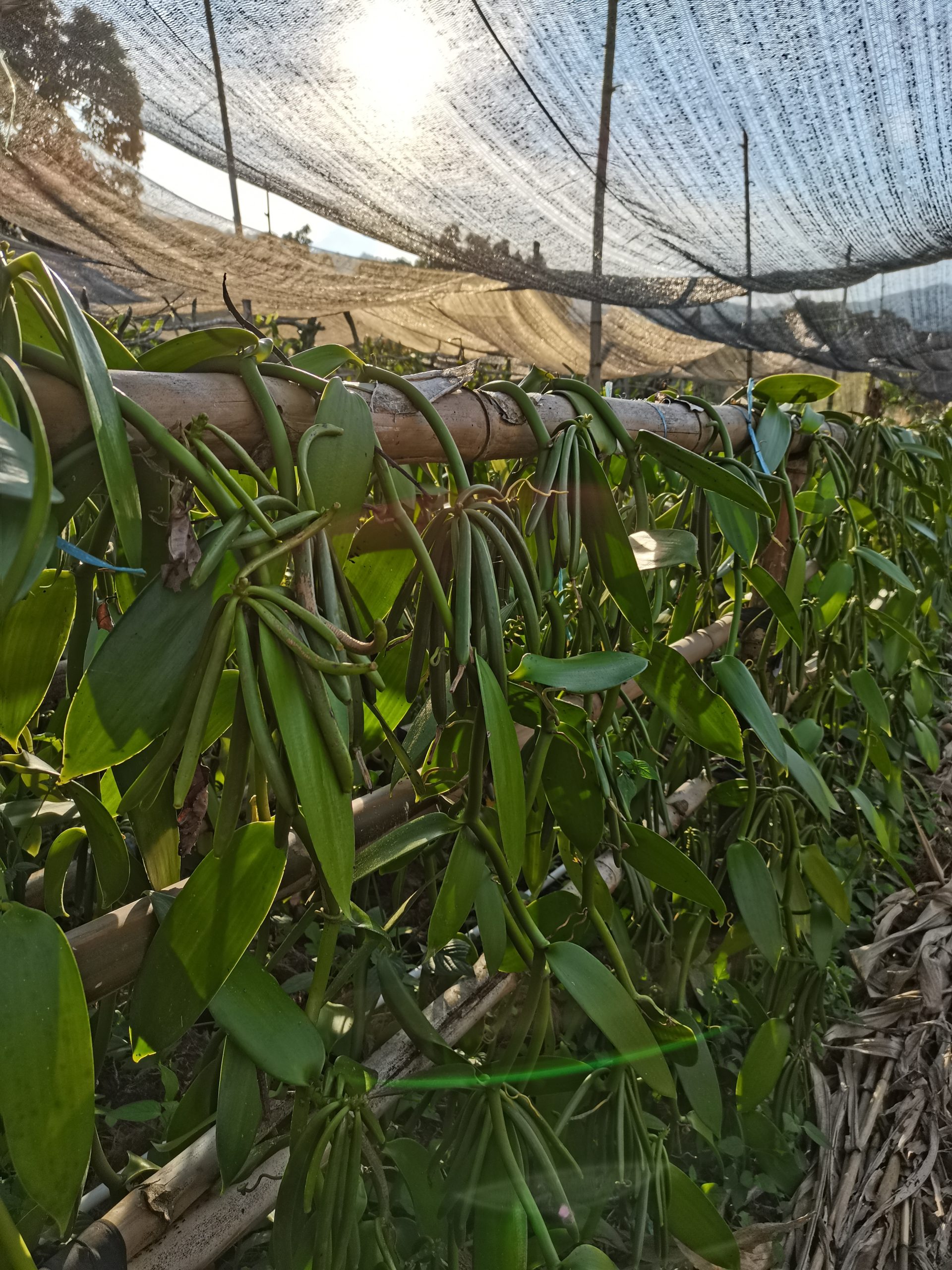
Vanilla extract is produced by macerating whole vanilla beans — each carrying 2.5%+ vanillin at Vanillature’s Sumatra farms versus an industry average of 1.5–2.0% — in an ethanol-water solution for a minimum of 48 hours. The resulting liquid must contain at least 35% ABV under FDA classification (Havkin-Frenkel & Belanger, 2011). The alcohol acts as a solvent, pulling vanillin, heliotropin, and hundreds of minor aromatic compounds out of the bean tissue and into suspension.
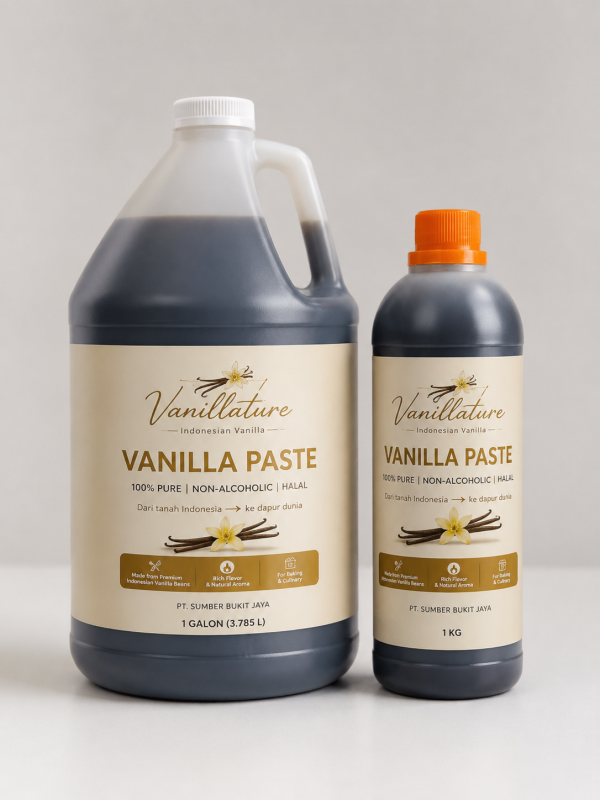
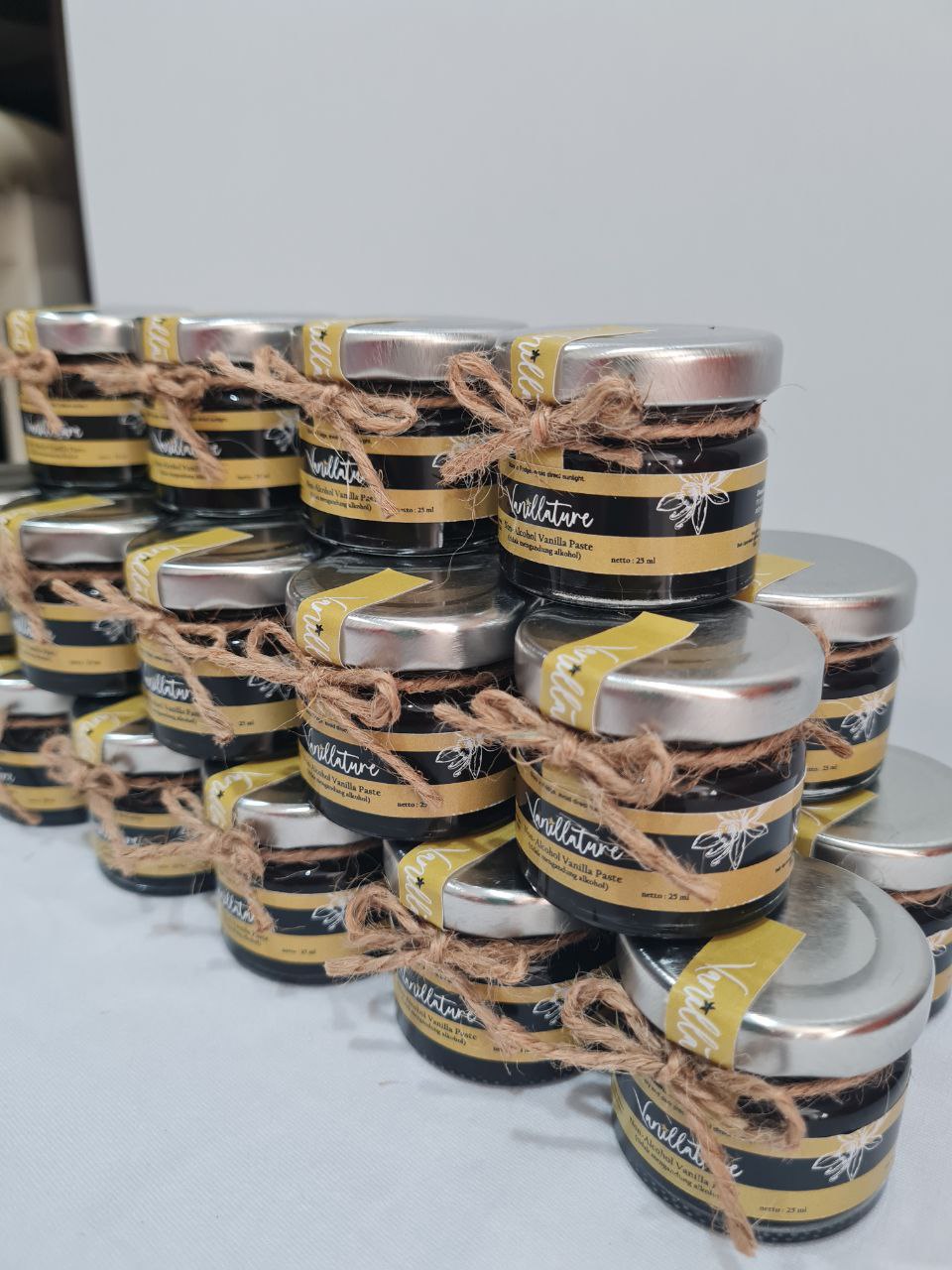
Vanilla paste combines that same liquid extract with ground vanilla bean seeds and a thickening agent, typically gum. One teaspoon delivers visible specks — the seeds from roughly half a bean — plus full liquid flavour intensity. It contains no extra alcohol beyond what the extract component brings.
Vanilla powder is 100% pure ground vanilla bean: no liquid, no alcohol, no additives. Because enzymatic activity during curing concentrates the vanillin directly in the bean solids, a good powder punches well above its weight. Vanillature’s Crystal Vanilla powder, made from beans coated in surface crystallised vanillin at 3.5–4%, delivers the most concentrated flavour per gram of any format in our range.
Side-by-Side Format Comparison
| Property | Extract | Paste | Powder |
|---|---|---|---|
| Alcohol content | 35–40% ABV | Trace (from extract base) | 0% — alcohol-free |
| Visible bean specks | No | Yes — seeds visible | Yes — whole-bean particles |
| Substitution ratio | 1 tsp = baseline | 1 tsp = 1 tsp extract | ½ tsp = 1 tsp extract |
| Shelf life (unopened) | Indefinite | 2–3 years | 4+ years in airtight storage |
| Best use cases | Custards, ice cream, cookies, sauces Most versatile | Buttercream, panna cotta, shortbread, cheesecake Visual impact | Dry mixes, rubs, chocolate, alcohol-free baking No liquid added |
| Worst use cases | Meringue, macarons, angel cake Fat-free foam | Very pale cream where specks are unwanted | High-moisture batters (can clump without sifting) |
| Flavour release | Fast — disperses instantly in liquid | Dual: fast liquid + slow particulate | Slow — heat or moisture unlocks full aroma |
| Vegan / alcohol-free | Alcohol present | Trace alcohol | Fully alcohol-free ✓ |
“When I do the slow curing for Crystal Vanilla — 3 to 6 months of traditional sun curing — the vanillin moves all the way to the surface of the bean and forms those white crystals. When we grind that into powder, every single particle is coated in flavour. One small scoop in your coffee or chocolate and you understand immediately why powder is so powerful.”
— Bu Sari, vanilla farmer, Deli Serdang, 11 years cultivating Planifolia
When You Must Not Use Vanilla Extract
Vanilla extract at 35–40% ABV introduces liquid alcohol into a recipe. In most baked goods, this evaporates during cooking and causes no problem. In fat-free foams — meringue, macarons, Swiss meringue buttercream base, and angel food cake — it is actively destructive.
Alcohol and surface-active proteins do not coexist. Even 1 teaspoon of extract destabilises the protein network that holds a meringue rigid, causing collapse or weeping during baking. In a standard 3-egg-white meringue tested at 120°C for 90 minutes, extract addition produces measurable volume loss compared to powder at the same flavour dose.
Similarly, no-churn ice creams that use condensed milk as the only sweetener benefit from powder over extract — the absence of added liquid prevents ice crystal formation around water pockets introduced by the extract.
Best Use Cases: Format by Format
Extract — the everyday workhorse
Extract disperses through liquids in seconds, making it the correct choice for custards, crème brûlée, ice cream bases, chocolate ganache, and cookie dough. At 35–40% ABV, the alcohol flash-evaporates in any oven above 100°C, leaving only the volatile aromatics behind. Use 1 teaspoon per standard 12-cookie batch as a baseline and scale linearly.
Paste — where presentation matters
Paste delivers the flavour of extract plus the visual drama of whole-bean seeds. Every teaspoon contains visible specks equivalent to roughly half a Grade A bean. It excels in vanilla buttercream, panna cotta, shortbread, crème anglaise, and any dessert served where the speck pattern is part of the presentation. At Vanillature, our Grade A beans carry 30–35% moisture and vanillin above 2.0% — the paste made from them delivers both depth and aroma in one spoonful.
Powder — the precision tool
Powder integrates into dry environments that would reject a liquid: spice rubs, dry cake mixes, drinking chocolate blends, raw chocolate tempering, and whipped cream stabilised with icing sugar. Vanillature’s Crystal Vanilla, at 3.5–4% vanillin, means a half-teaspoon dose achieves flavour intensity that would require a full teaspoon of standard extract. Sift powder with dry ingredients before combining to prevent clumping in high-moisture batters.
📐 Universal Substitution Ratios
- 1 tsp extract = 1 tsp paste = ½ tsp powder = 1 whole vanilla bean (scraped seeds only)
- Paste → Extract: Replace 1:1 by volume. Expect visible specks in the final product.
- Powder → Extract: Use half the volume. Sift powder into dry ingredients first.
- Extract → Powder (meringue/foam): Always switch to powder. Add with the sugar, never after whipping begins.
- Bean → any format: 1 scraped pod ≈ 1 tsp extract or paste ≈ ½ tsp powder.
Why the Same Bean Tastes Different in Each Form
All three formats originate from the same Planifolia bean, hand-pollinated within a 6-to-8-hour daily window at Vanillature’s Sumatran farms, then cured for 3 to 6 months by traditional sun methods. The flavour difference between formats is entirely a question of delivery mechanism, not origin quality (Havkin-Frenkel & Belanger, 2011).
In extract, vanillin is dissolved in ethanol and disperses uniformly through any aqueous medium on contact. Flavour release is immediate and complete within seconds of mixing. Heat accelerates evaporation of lighter volatile compounds, concentrating heavier aromatics by the time the dish cools.
In paste, the dual delivery system — liquid base plus solid particulates — means flavour releases in two phases. The liquid base disperses fast. The solid seed particles continue releasing over the 15-to-45-minute baking window as heat breaks down residual cell walls. This creates a more layered, complex flavour profile in slow-baked goods like shortbread or custard tart.
In powder, vanillin is locked inside bean solids at up to 4% concentration. It releases more slowly, requiring either moisture or heat to dissolve the cell matrix. This makes powder the most heat-stable format — it loses less total flavour than extract over a 60-minute bake at 180°C.
Frequently Asked Questions
Shop Vanillature’s Full Vanilla Range
Extract, paste, or powder — every format starts with the same 2.5%+ vanillin Planifolia beans from 500+ smallholder farmers in Sumatra, hand-pollinated within a 6-to-8-hour daily window and cured for up to 6 months.
Vanillature holds a 5.0 star rating from 174+ verified buyers on eBay, with additional verified ratings on Shopee and TikTok Shop Indonesia — independently confirmed quality across three separate platforms.
Vanillature (PT. Sumber Bukit Jaya) — Jl. Prof. H.M. Yamin SH No. 224M, Medan, North Sumatra 20234, Indonesia — +62 878-6986-1288
