


Vanilla Knowledge
Is Organic Vanilla Worth the Premium? The Truth About Organic Certification
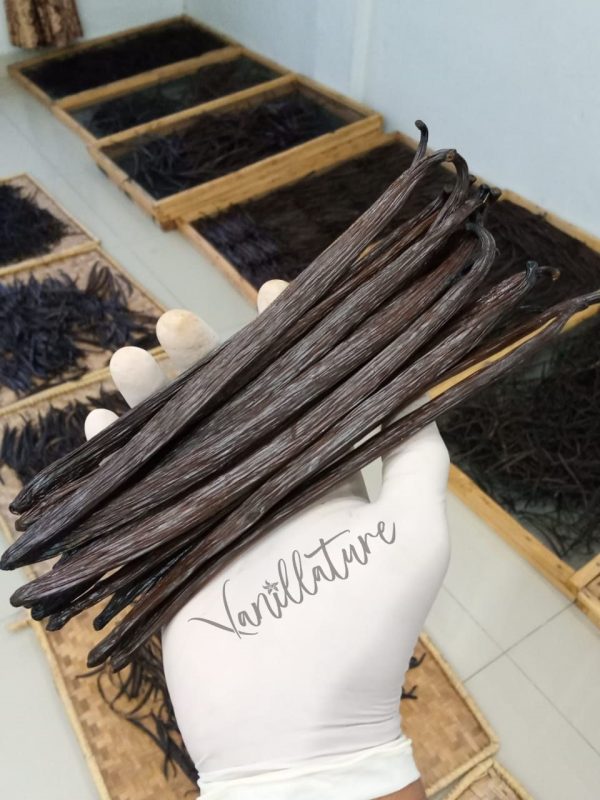
Aug
Is Organic Vanilla Worth the Premium? The Truth About Organic Certification
Organic vanilla beans carry a price premium of 20–40% over conventional — yet fewer than 8% of Indonesian vanilla farms hold active organic certification. The label rarely tells you what you actually want to know: vanillin concentration, traceability, or how the farmer was paid.
Annual organic certification cost per farm — a prohibitive barrier for smallholders
Direct-source Vanillature farmers — traceable to named growers in Sumatra & Papua
Vanillin content tested per batch — against an industry average of 1.5–2.0%
What Organic Certification Actually Requires
In the United States, organic certification for imported vanilla falls under the USDA National Organic Program (NOP). The NOP requires that producers document every input — soil amendments, pest controls, and post-harvest treatments — across a 3-year transitional period before certification is granted (USDA National Organic Program, 2023).
For a smallholder farmer managing 0.5–2 hectares of vanilla vines, the paperwork alone demands literacy in regulatory English. The annual cost of third-party audits and certification sits between $5,000 and $15,000 per farm — a figure that eclipses the annual income of most Sumatran growers.
Certification also mandates specific record-keeping infrastructure: farm maps, input logs, and annual inspections. These are reasonable requirements in California or Germany. In remote highland villages at 680 metres above sea level in North Sumatra, they create a structural barrier that excludes ethical farmers by default.

Why Most Indonesian Vanilla Farms Cannot Afford Certification
Indonesia produces approximately 2,300 tonnes of vanilla annually, ranking second globally after Madagascar (FAO, 2023). The vast majority comes from smallholder plots, not plantation-scale operations with legal teams and export compliance departments.
A single certification body charges between $1,200 and $4,000 for the initial application plus travel costs for on-site audits. Renewal runs $800–$2,500 per year. For a farmer earning the equivalent of $3,000–$5,000 annually from vanilla sales, certification consumes 30–50% of gross income before a single bean reaches the market.
The result is predictable: organic vanilla beans sold at premium prices often come from large consolidated exporters who pool uncertified farmers under a group certificate — a legal structure that reduces traceability to near-zero. You pay for the stamp; you lose the story.
“We farm the old way — no chemicals, no shortcuts. But paying $10,000 for a piece of paper? That money would hire 4 workers for a full harvest season. My beans speak for themselves when you smell them.”
What Organic Certification Does Not Measure
Organic certification measures inputs — what was not applied to the soil. It measures zero quality markers. A certified organic bean with 1.2% vanillin content carries the same USDA stamp as a premium bean testing above 2.5% vanillin.
Vanillin is the primary aromatic compound in vanilla, responsible for the characteristic warm, creamy flavour profile. Research identifies vanillin concentration as the definitive quality indicator for Vanilla planifolia (Dunphy et al., 2020, Food Chemistry). Certification says nothing about it.
Grade A vanilla beans require moisture between 30–35% and vanillin above 2.0%. Grade B beans sit at 15–25% moisture and vanillin above 1.0%. A certified organic bean can legally fall into Grade B — or below grading standards entirely — and still carry the premium certification price.
What to Look for Instead of the Organic Label
Three signals consistently predict genuine vanilla quality better than organic certification: tested vanillin content, direct farm traceability, and transparent curing documentation.
Vanillin content above 2.0% identifies Grade A beans. Content above 2.5% — where Vanillature’s Sumatra Planifolia consistently tests — indicates premium terroir and careful curing. Traditional sun curing runs 3–6 months, developing complexity through enzymatic activity that fast-dried beans never achieve (Havkin-Frenkel & Belanger, 2011, Handbook of Plant and Crop Science).
At Vanillature, we test every batch before dispatch. Our 500+ direct-source farmers in Sumatra and Papua receive above-market prices tied to quality metrics — a structure that incentivises the farming practices organic certification is meant to reward, without the $5,000–$15,000 paperwork barrier.
When the Organic Label Is Worth Paying For
Organic certification carries genuine value in one specific context: when a buyer operates a certified organic food business and requires documented chain-of-custody for their own compliance. In that case, the stamp is a legal necessity, not a quality indicator.
For home bakers, professional pastry chefs, and food brands sourcing on flavour quality, the certification premium is largely theatre. A direct-source bean tested above 2.5% vanillin from a named farmer in Simalungun tells you more than any third-party stamp issued from a desk 10,000 kilometres away.
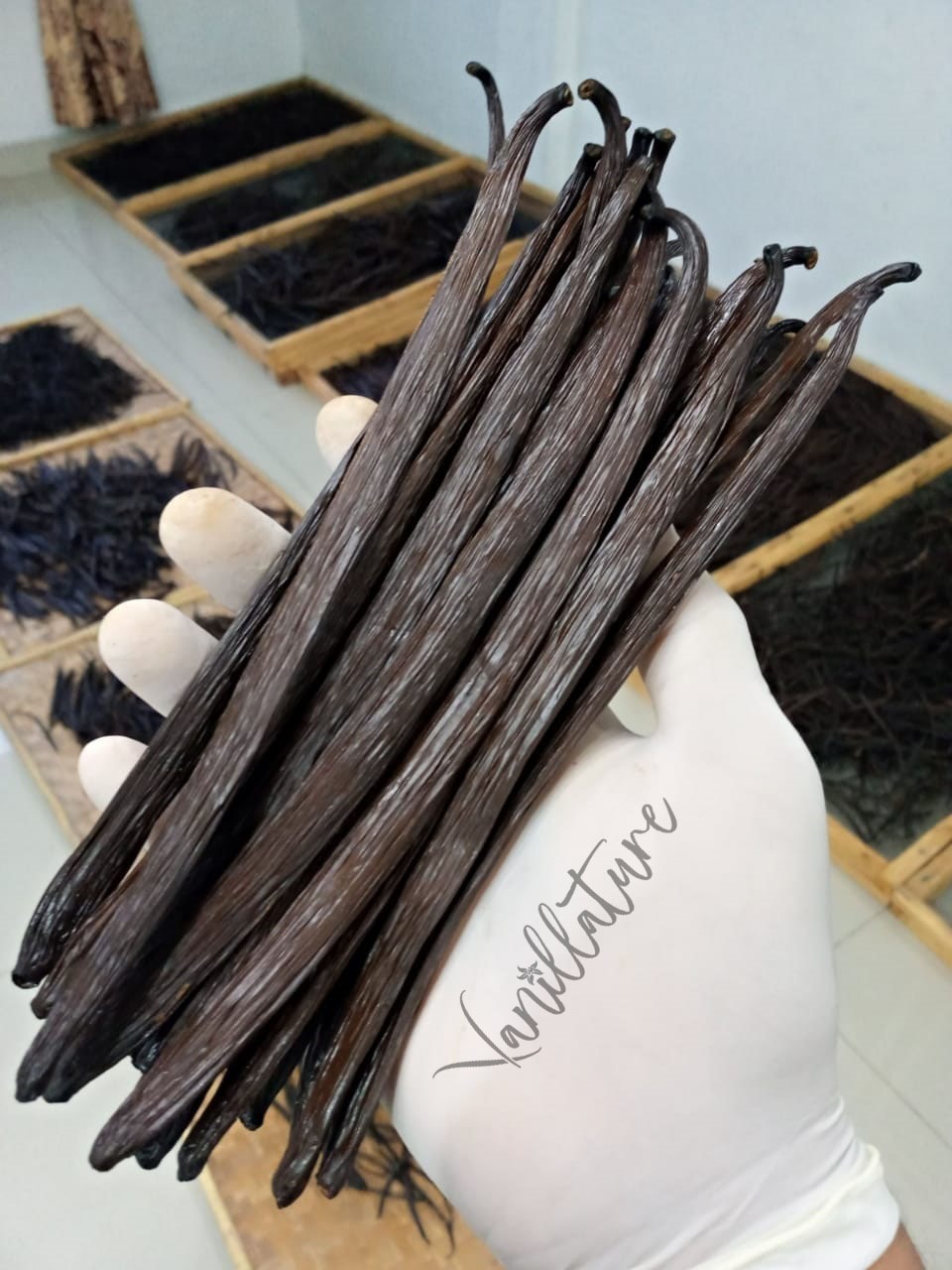
Our Crystal Vanilla — the highest-grade item in the Vanillature range — carries visible vanillin crystals on the pod surface. Those crystals represent concentrated vanillin at 3.5–4%, the highest reading in our entire product range. No certification body tests for this. We do.
Frequently Asked Questions
Traceable Vanilla, Tested at Source
Every Vanillature bean is sourced from 500+ named farmers in Sumatra and Papua, tested above 2.5% vanillin per batch, and cured for 3–6 months using traditional methods — no certification middlemen, no anonymous pooling.
Vanillature holds a 5.0 star rating from 174+ verified buyers on eBay, with additional verified ratings on Shopee and TikTok Shop Indonesia — independently confirmed quality across three separate platforms.
Vanillature (PT. Sumber Bukit Jaya) — Jl. Prof. H.M. Yamin SH No. 224M, Medan, North Sumatra 20234, Indonesia — +62 878-6986-1288
