09
Jun
Jun
Vanillin has been studied for anti-inflammatory, antioxidant, and neuroprotective properties. Here is what the evidence actually says — without the hype.


Vanillin has been studied for anti-inflammatory, antioxidant, and neuroprotective properties. Here is what the evidence actually says — without the hype.
Vanilla and chocolate are almost always paired — in ice cream, cake, mousse, and hot drinks. The reason is chemistry, not convention.
Like wine, vanilla is profoundly shaped by where it grows. Altitude, soil mineral content, humidity, and canopy shade all change the flavour in ways science is only beginning to explain.

Of the 25,000 species of orchid on Earth, only vanilla bears an edible fruit. The story of how this single plant became the world’s most popular flavour is remarkable.
Those tiny black dots in your vanilla ice cream or custard are not impurities. They are vanilla caviar — the most flavour-dense part of the bean.

The dark colour of real vanilla extract is a sign of quality, not a problem. Here is the chemistry behind it — and what clear vanilla extract actually means.
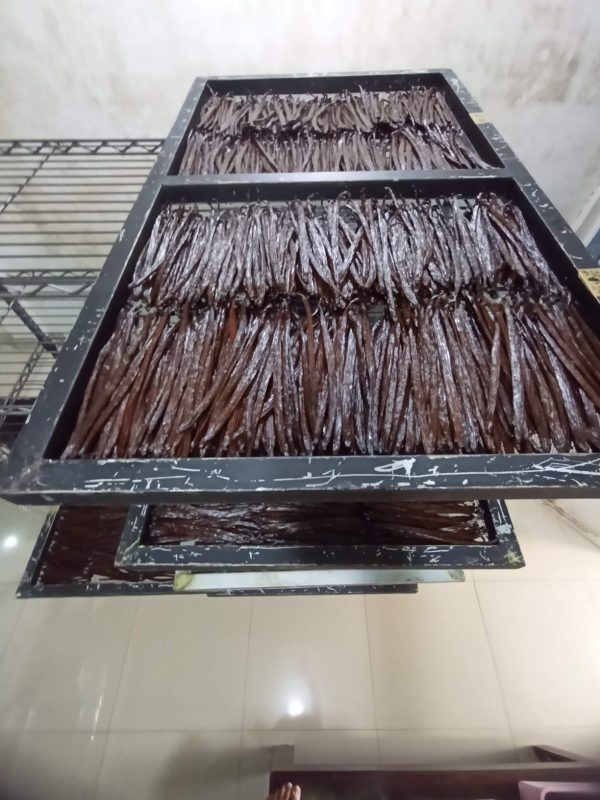
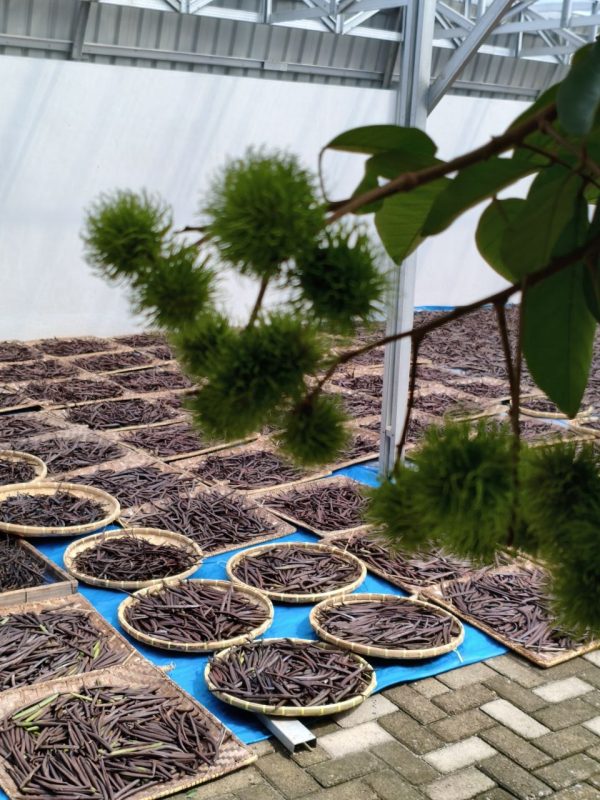
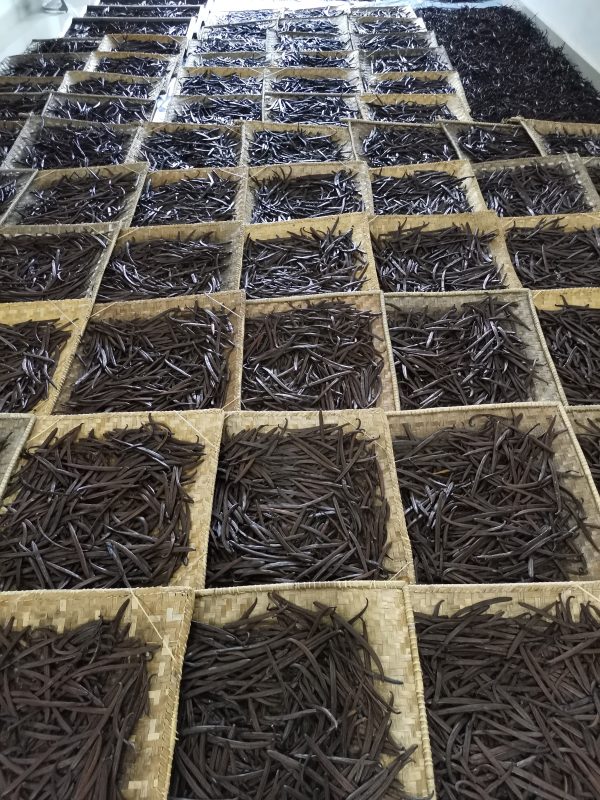
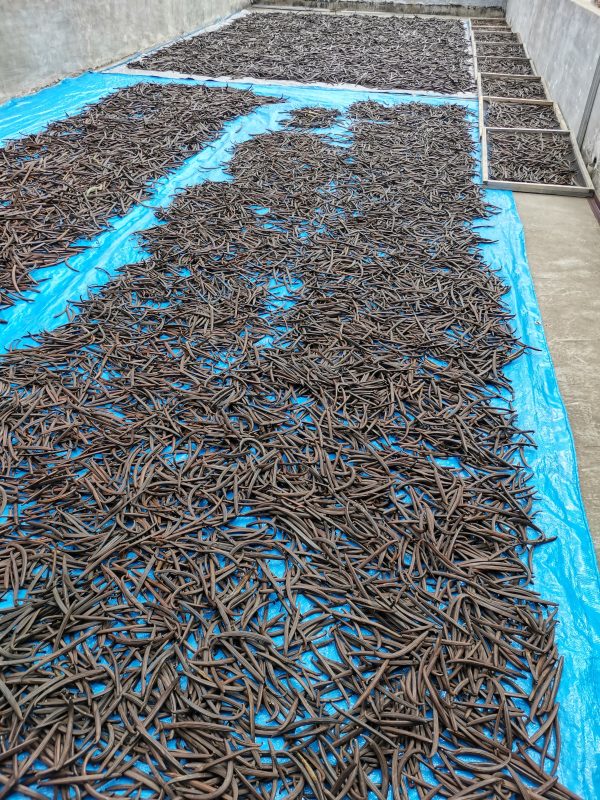
A freshly harvested vanilla bean has almost no flavour. The curing process — blanching, sweating, drying, conditioning — is where the magic happens.

Two species, completely different flavour profiles. Here is exactly which vanilla to use for baking, ice cream, beverages, and pastry work.
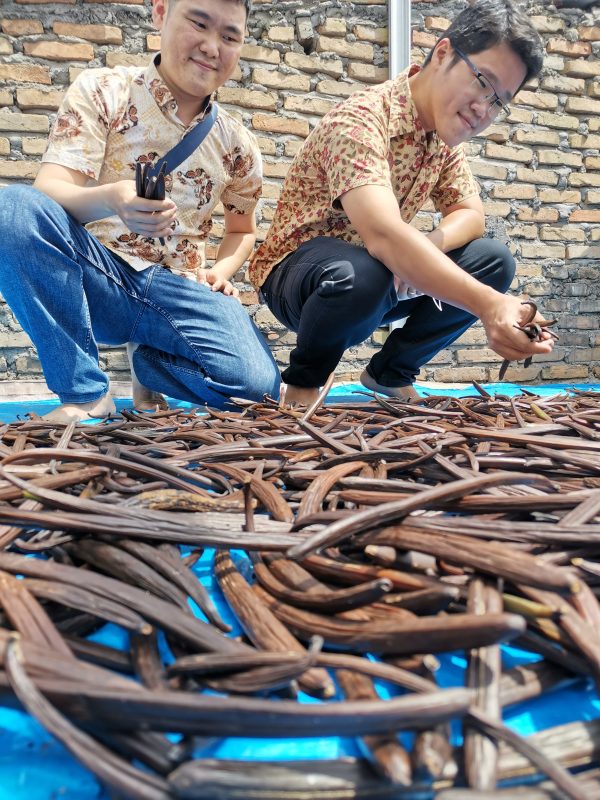
Every vanilla bean starts with a flower that blooms for just one day. Here is why hand-pollinated Indonesian vanilla from Sumatra costs what it does — and why it is worth it.
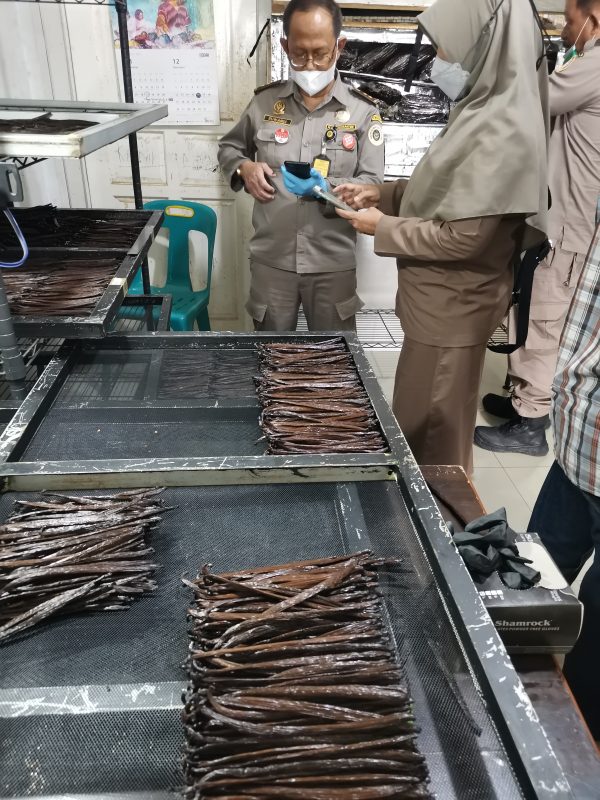
Vanillin is the primary flavour compound in vanilla. Understanding it explains everything about why some vanilla beans taste extraordinary and others taste flat.
