09
Aug
Aug
Before placing a bulk order with an Indonesia vanilla supplier, you need to understand what FDA registration, REX EU, Halal, and COO documentation actually mean — and which ones protect your business.


Before placing a bulk order with an Indonesia vanilla supplier, you need to understand what FDA registration, REX EU, Halal, and COO documentation actually mean — and which ones protect your business.

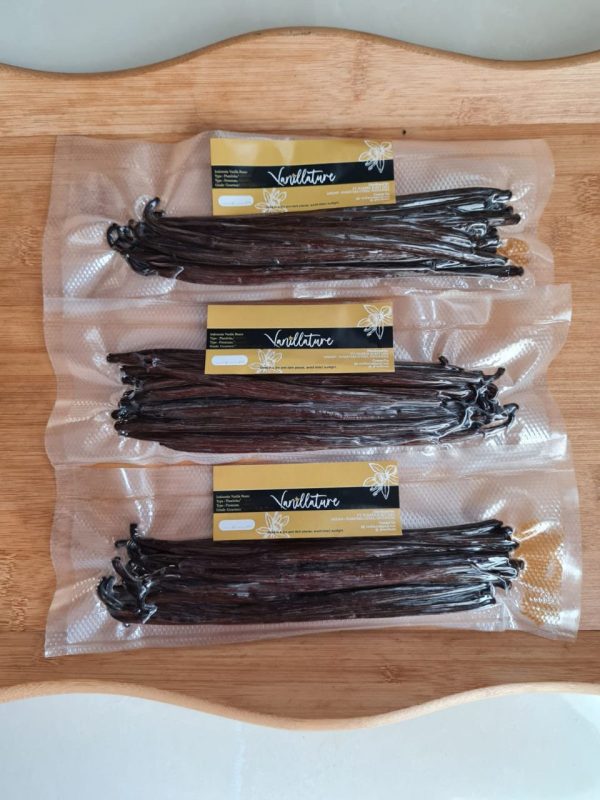
Vanilla powder is the whole bean ground fine. No alcohol, no liquid — pure flavour in a form that works in recipes where extract would not.
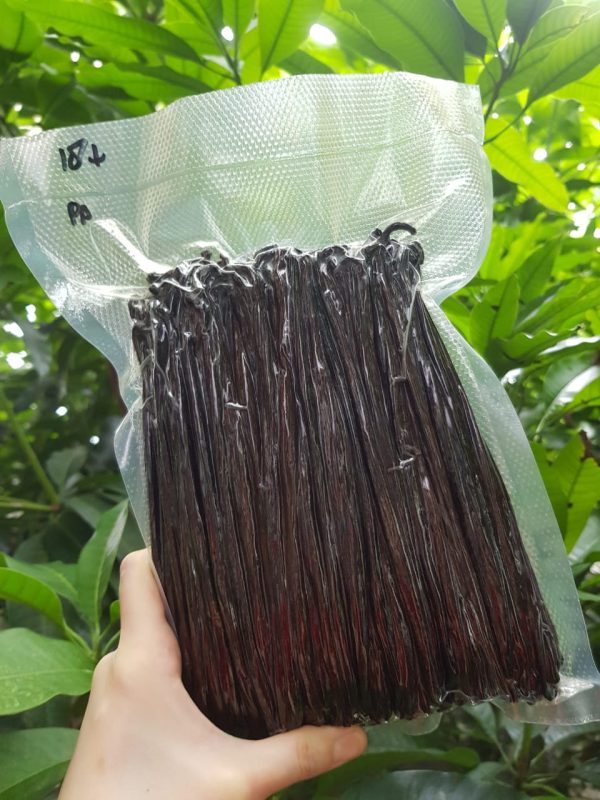
Eight months after pollination, the first beans are ready to harvest. For a vanilla farm in North Sumatra, the preparation starts weeks before the first pod is cut.
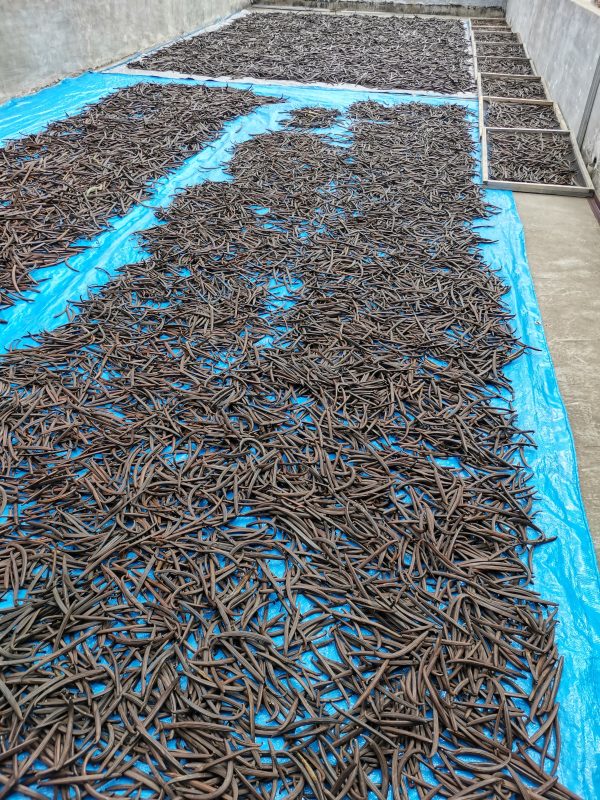
Indonesia is the world’s second-largest vanilla producer. Here is why Sumatra Bourbon Planifolia outperforms the alternatives — and why most bakers have never heard of it.
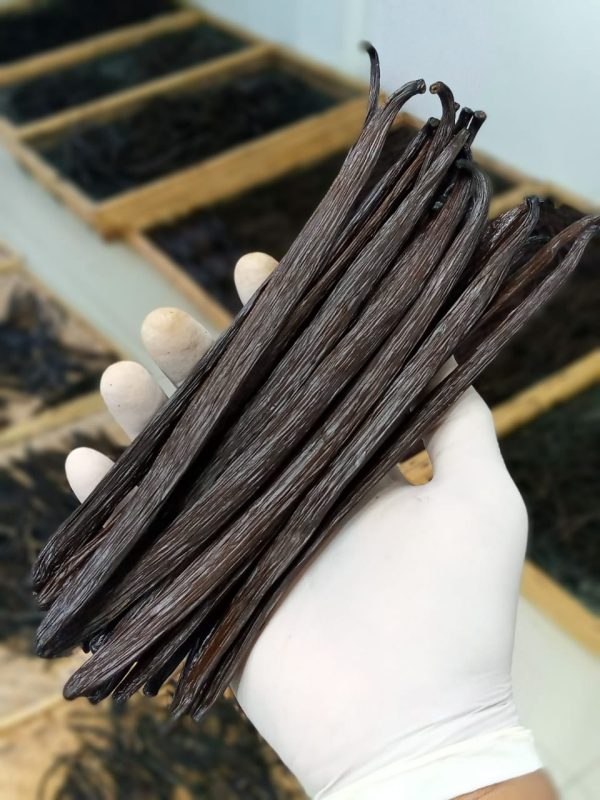
Madagascar is the world’s most famous vanilla origin. Sumatra is a serious rival — with higher vanillin content in many harvests and a different but equally remarkable flavour profile. An honest comparison from a Sumatran supplier.
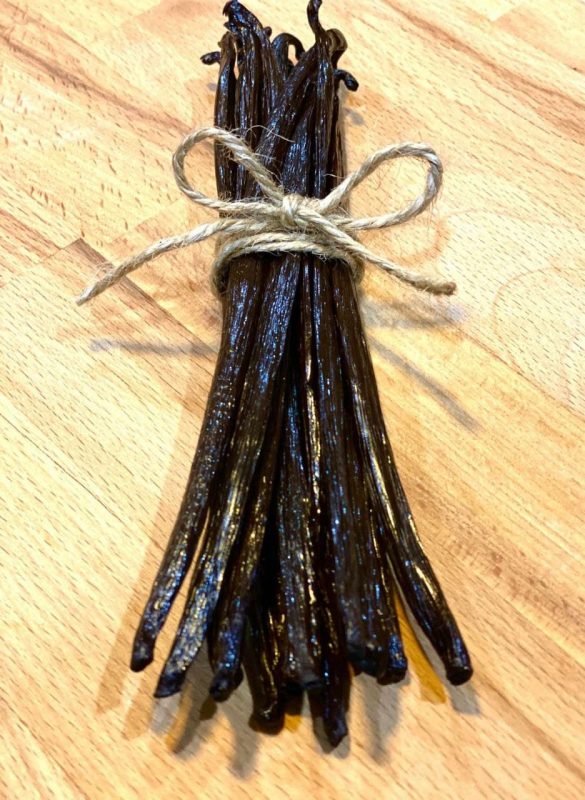
Medan, North Sumatra is not just the largest city in western Indonesia — it is the natural gateway for Sumatra vanilla to reach global buyers. Here is why location matters in vanilla sourcing.

Everything a wholesale buyer needs to know before placing a bulk vanilla order from Indonesia — minimum quantities, free sample policy, and what to expect on shipping timelines.

What Grade A and Grade B actually mean, how vanillin content is measured, and which export documents you need — explained by a Medan-based vanilla supplier.

Sourcing vanilla directly from Indonesia can unlock better vanillin content and fairer prices — but only if you know what to check. This is the checklist serious buyers use.

Sourcing vanilla at scale for a bakery or food business is completely different from home buying. Here is what wholesale buyers need to know — quantities, quality, and consistency.
