15
Jul
Jul
The full flavour of a vanilla bean is not in its seeds alone — it is in the whole pod. Infusion techniques unlock depths that scraping alone never reaches.


The full flavour of a vanilla bean is not in its seeds alone — it is in the whole pod. Infusion techniques unlock depths that scraping alone never reaches.

A vanilla latte made with real vanilla beans has a warmth and complexity that flavoured syrups simply cannot replicate. Here is how to make one properly.

Most buttercream tastes like butter and sugar. The difference between ordinary and extraordinary buttercream is one ingredient: real vanilla paste.

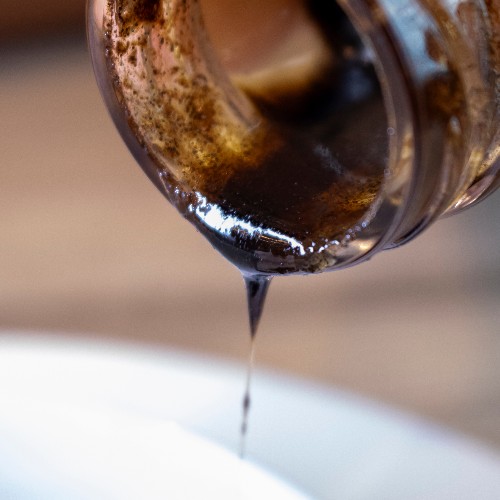
A bottle of vanilla simple syrup made from real beans at home costs a fraction of the café version — and tastes completely different. Here is the recipe.

Panna cotta has three main ingredients. When one is a Papua Tahitian vanilla bean, the result is restaurant quality with minimal effort.
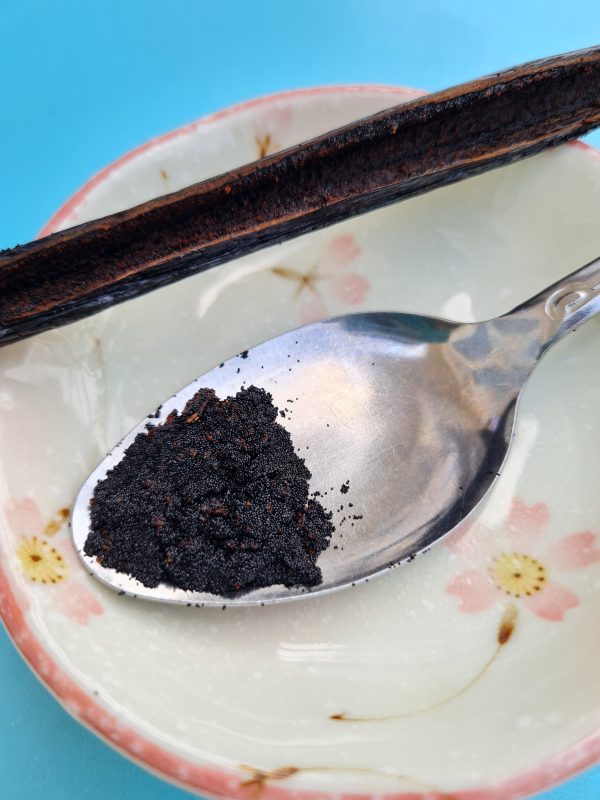
Crème anglaise is perhaps the most useful sauce in classical French pastry — and it is almost entirely the flavour of vanilla. Here is the method that never splits.

Crème brûlée is the dessert that most rewards a great vanilla bean. Papua Tahitian’s floral, anise notes transform a classic into something extraordinary.
Shortbread has four ingredients. When one of them is a Sumatra Bourbon Planifolia bean, the result is extraordinary. Here is the recipe.
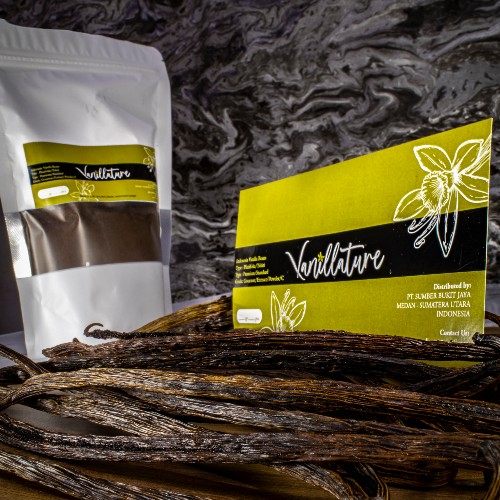
Real vanilla ice cream made with Sumatra Bourbon Planifolia beans — not extract — has a flavour depth that no supermarket brand can replicate. Here is how to make it.

Papua Bourbon vanilla sits between the bold earthiness of Planifolia and the floral brightness of Tahitian — making it one of the most versatile beans for professional pastry.
