23
Jun
Jun
In many Sumatran vanilla farming communities, it is women who lead the hand-pollination process — a skill passed from mother to daughter for generations.


In many Sumatran vanilla farming communities, it is women who lead the hand-pollination process — a skill passed from mother to daughter for generations.
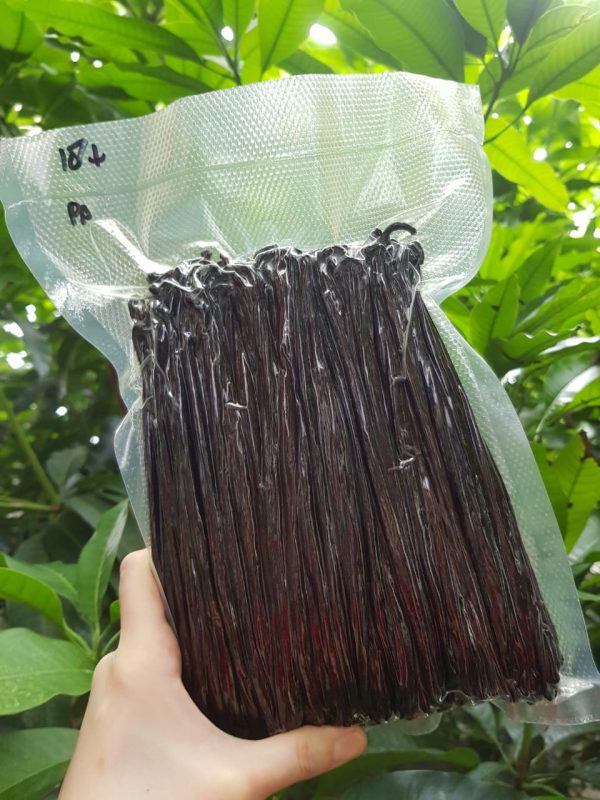
Papua and Sumatra produce very different vanilla — because the land, altitude, and farming traditions are completely different. Here is what makes Papua vanilla unique.
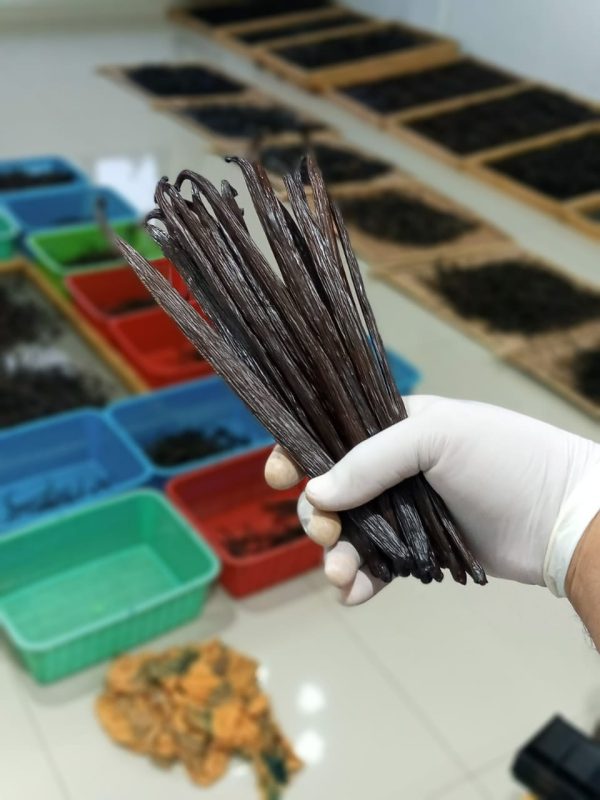
5am. The mist is still on the hills above Toba when the work begins. A day on a vanilla farm in North Sumatra is not what most people imagine.

Behind every vanilla bean in our range is a smallholder farmer in Sumatra or Papua who hand-pollinated, harvested, and cured it. Here is how that relationship works.

Adding real vanilla to coffee elevates the drink in a way that vanilla syrup never can. Here is which form of vanilla to use for different coffee preparations.
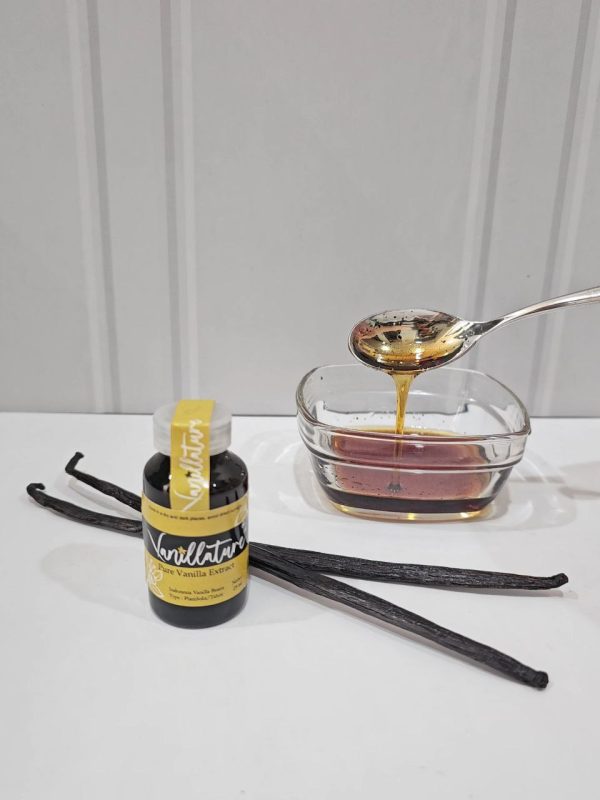
Double-strength vanilla extract sounds appealing, but for most bakers it is unnecessary. If your extract is made from high-vanillin beans, standard strength already outperforms most doubles.
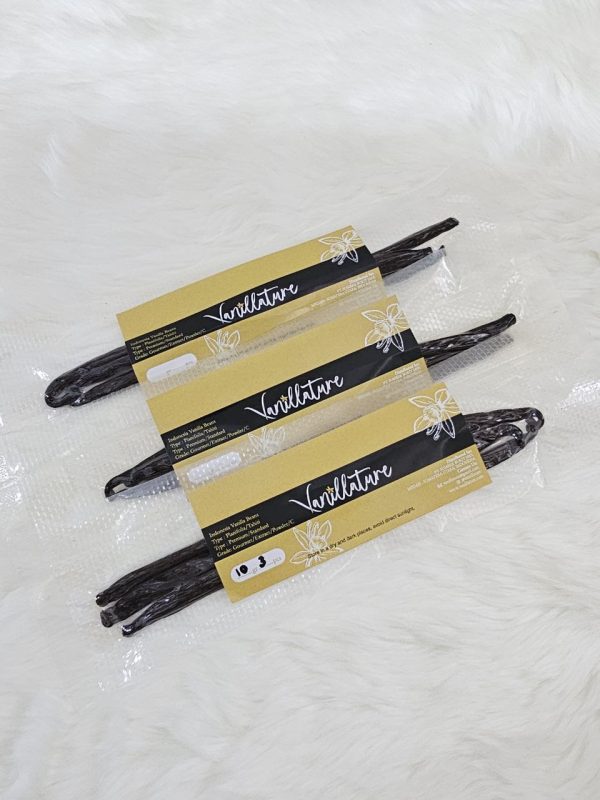
Bourbon, Planifolia, Grade A, moisture content, vanillin percentage — vanilla bean labels have a language of their own. Here is a plain-English translation.
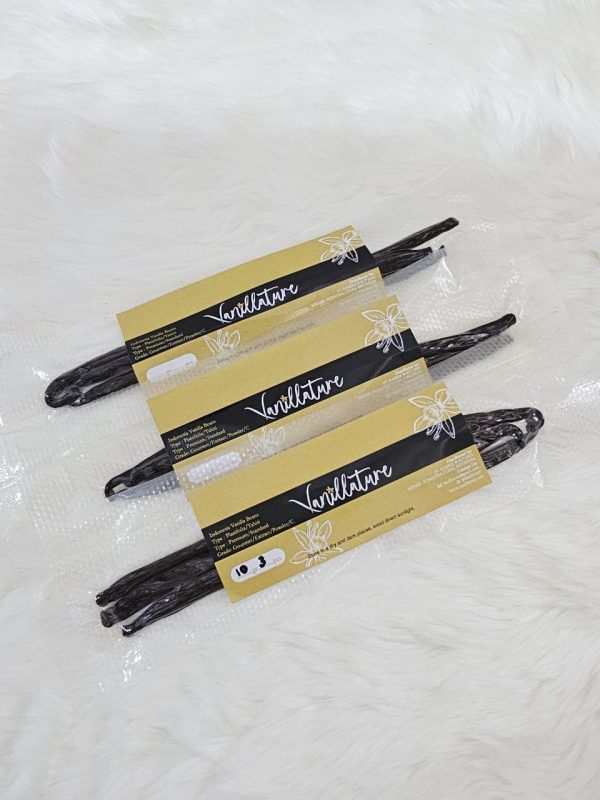
Organic vanilla commands a premium price — but the certification process is complex and not always meaningful in vanilla-growing regions. Here is what to actually look for.
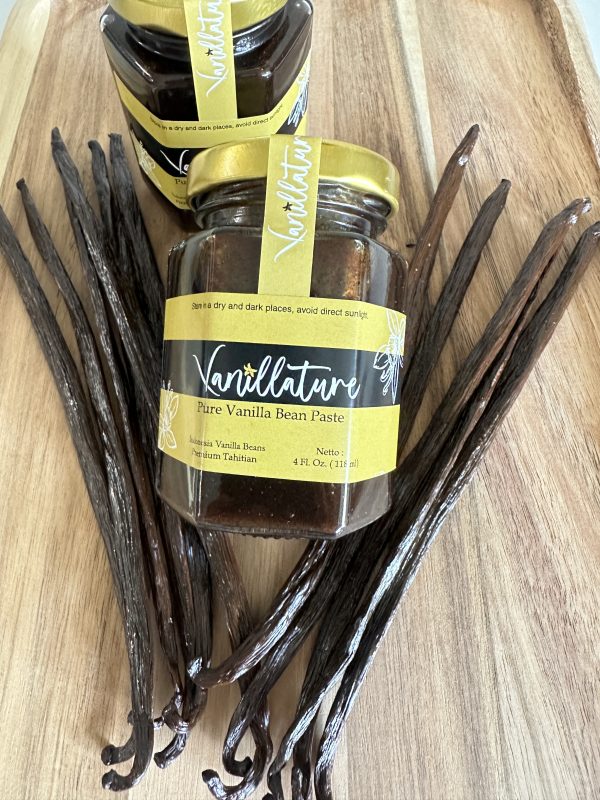
Extract, paste, and powder all come from the same bean — but they behave very differently in the kitchen. Here is a complete guide to choosing the right form.
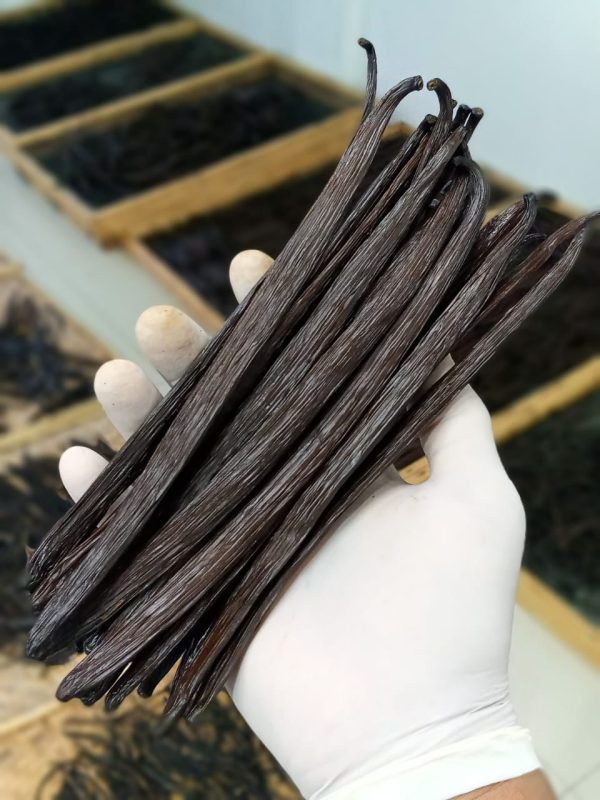
Vanilla beans stored correctly stay fresh and aromatic for 2-3 years. Stored incorrectly, they dry out within months. Here is exactly what to do.
